.
SEO OMP
administrator
Blog posts:41
Join date:
Jul 6, 2026
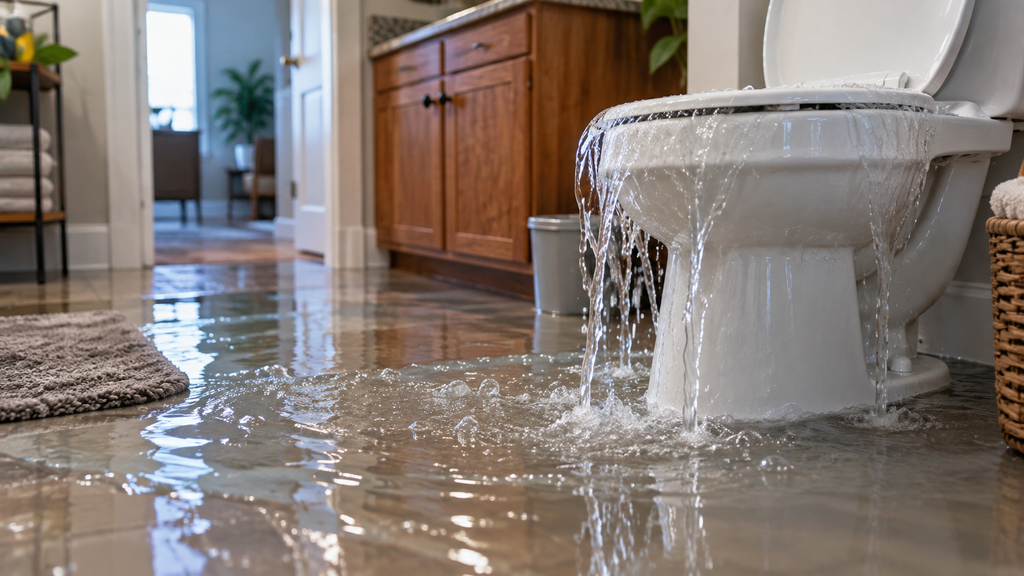
Does Homeowners Insurance Cover Toilet Overflow Damage?
A toilet overflow can turn a normal day into a property damage problem within minutes. Water can spread across bathroom flooring, reach baseboards and drywall, move underneath flooring, and potentially affect nearby rooms. When this happens, one of the first questions we hear is: Does homeowners insurance cover toilet overflow damage? The answer depends on why the toilet overflowed and what your specific homeowners insurance policy covers. A sudden and accidental discharge or overflow of water from a plumbing system may fall within homeowners insurance coverage, depending on the policy. However, a toilet that overflows because water or sewage backed up through a sewer or drain can be treated differently and may require water-backup coverage or another endorsement. At PICC FLA, we help Florida property owners understand, document, prepare, and manage water damage insurance claims. Instead of assuming a toilet overflow is automatically covered or excluded, we look at what caused the water loss, what was damaged, what the policy...
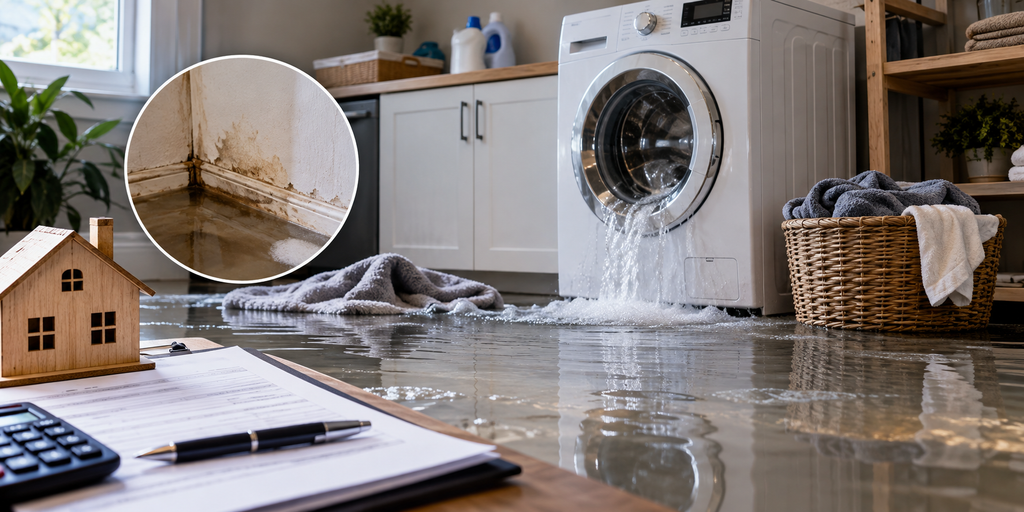
Does Homeowners Insurance Cover Washing Machine Water Damage?
A washing machine can release a surprising amount of water in a short period of time. A hose can suddenly burst, a connection can fail, or the machine can overflow and send water across the laundry room and into nearby flooring, walls, cabinets, or other rooms. So, does homeowners insurance cover washing machine water damage? It may, depending on how the damage happened and what your policy covers. At PICC FLA, we help Florida property owners with water damage insurance claims, including losses involving appliance failures. Our website specifically identifies washing machines and other appliance failures as potential causes of residential water damage. The important distinction is usually between a sudden water-loss event and damage that developed gradually. A washer hose that suddenly bursts is different from a small leak that has been occurring for an extended period. Coverage is never automatic. Your specific policy, cause of loss, timing, maintenance history, exclusions, deductible, and documentation all matter. When May Homeowners...
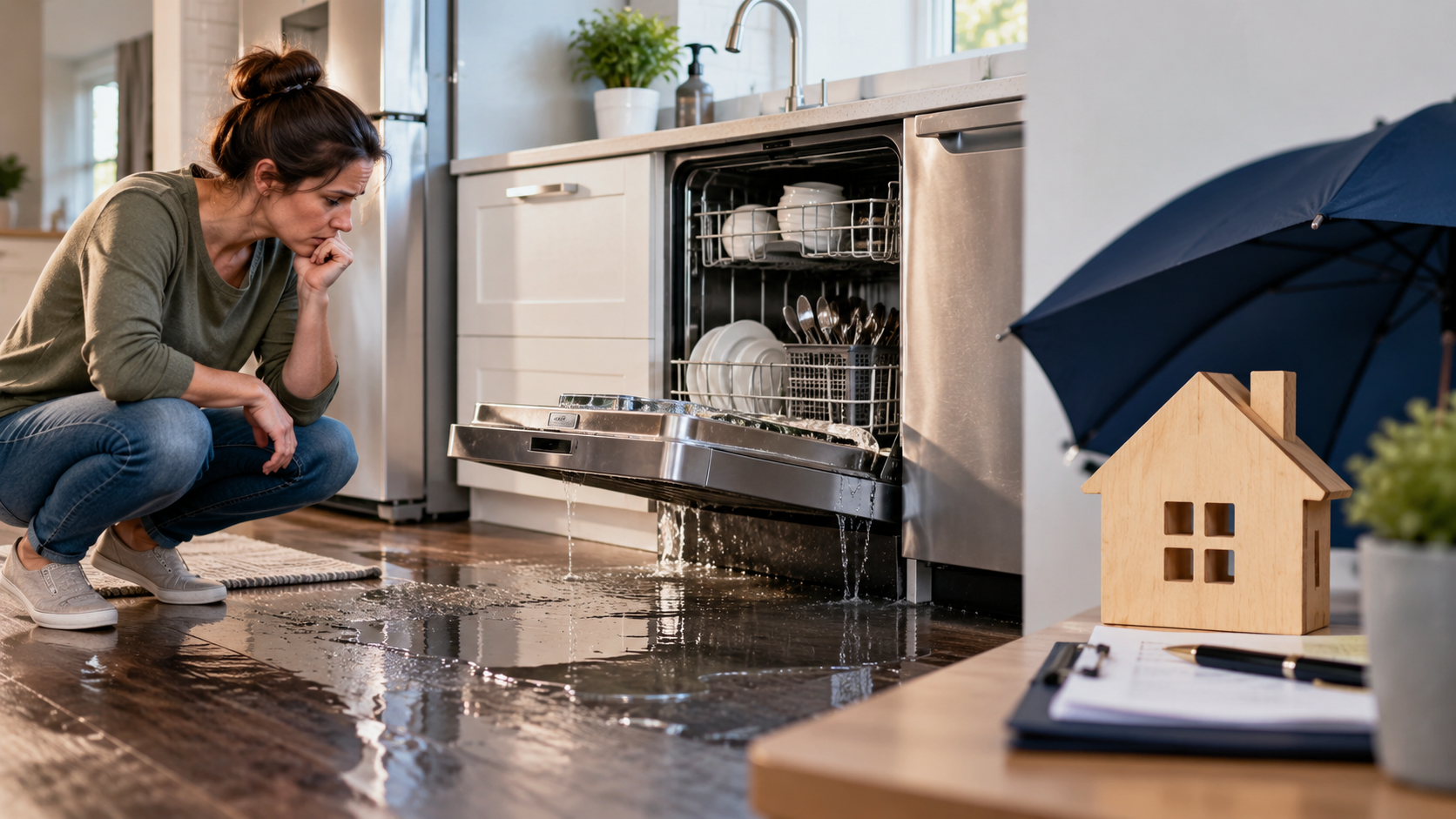
Does Homeowners Insurance Cover Dishwasher Leaks?
A dishwasher leak can turn an ordinary day into a stressful property damage situation. Water may spread beneath cabinets, soak flooring, reach drywall, or move into areas you cannot immediately see. One of the first questions we hear from homeowners is, “Does homeowners insurance cover dishwasher leaks?” In many situations, homeowners insurance may cover the resulting water damage from a dishwasher leak when the water is released suddenly and accidentally. However, coverage is never automatic. Your individual policy, the cause of the leak, how long the problem existed, exclusions, coverage limits, and deductibles can all affect a claim. At PICC, we help Florida property owners understand their policies, document property damage, prepare claims, and address claims that may have been denied or underpaid. If your dishwasher suddenly leaked and damaged your kitchen, the key is to determine what happened, document the loss, prevent further damage, and review the policy before making assumptions about coverage. When Does Homeowners Insurance Cover Dishwasher...
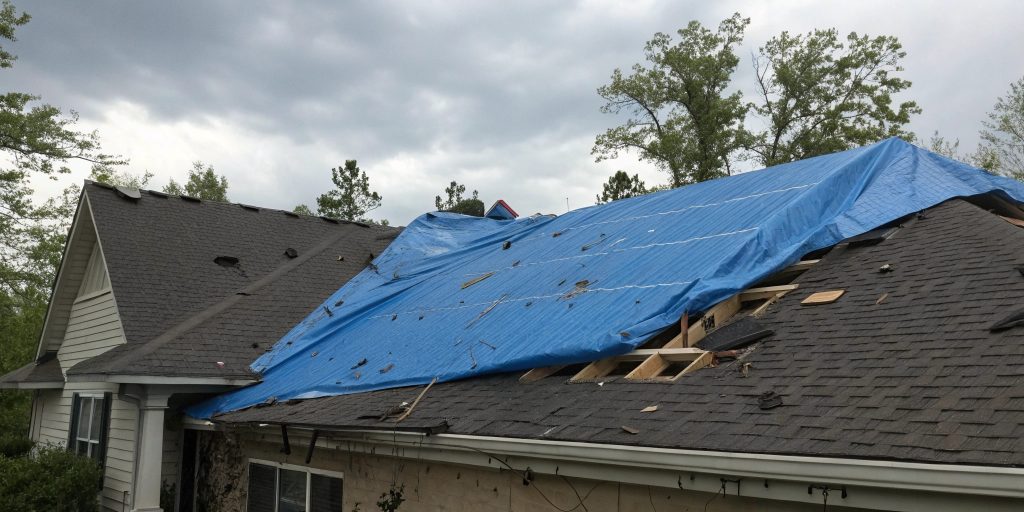
Is Water Damage From an AC Leak Covered by Insurance?
Water leaking from an air-conditioning system can start as a small problem and quickly spread into ceilings, drywall, flooring, cabinets, insulation, or other parts of a home. When that happens, homeowners often want to know whether their insurance policy will help pay for the resulting damage. So, is water damage from an AC leak covered by insurance? It may be. Florida consumer insurance guidance recognizes leaking air-conditioning units as a potential source of water damage that may fall within homeowners insurance coverage. However, an AC leak insurance claim is not automatically covered simply because the water came from an HVAC system. At PICC FLA, we help Florida property owners with water damage insurance claims, including losses involving AC leaks. We look at how the water damage happened, when it was discovered, what parts of the property were affected, what the policy says, and whether the loss has been properly documented. The specific policy always matters. Coverage can depend on the...
Does Homeowners Insurance Cover Sewer Backup Damage?
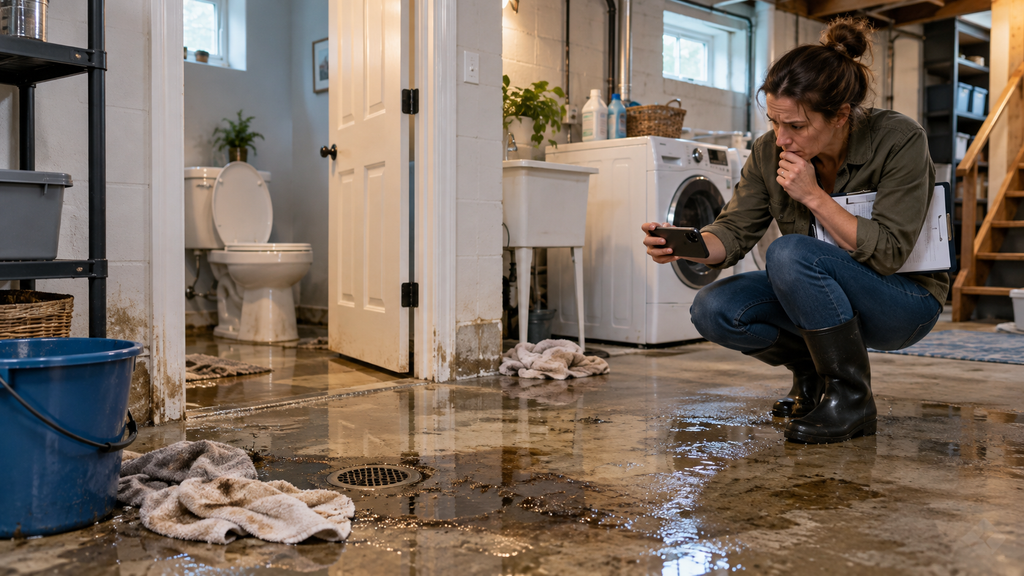
A sewer backup can cause serious water damage inside a home within a short amount of time. Flooring, drywall, cabinets, furniture, personal belongings, and other materials may all be affected. Once the immediate cleanup begins, one of the first questions homeowners usually ask is: does homeowners insurance cover sewer backup damage? The answer depends on your policy. Standard homeowners insurance does not typically include sewer backup insurance coverage automatically. In many policies, damage caused when water backs up through a sewer or drain may be excluded unless additional coverage has been added through a water backup endorsement. At PICC FLA, we help Florida property owners review, document, prepare, and manage water damage insurance claims. When a sewer or drain backup damages your property, we focus on the specific policy language, cause of loss, affected areas, available endorsements, documentation, and other facts that determine how the claim should be presented. Does Homeowners Insurance Cover Sewer Backup in Florida? If you are...
How Should You Respond to a Low Insurance Settlement Offer?
Receiving an insurance payment can feel like progress after property damage, but that feeling changes quickly when the amount does not match the repairs your property appears to need. If the insurance settlement is too low, do not focus only on the final dollar amount. Start by understanding how the insurer calculated it, what damage was included, what may have been omitted, and what documentation supports the loss. At piccfla.com, we help Florida property owners review underpaid property insurance claims from the policyholder’s side. Our work can include inspecting damage, reviewing claim information and estimates, preparing supporting documentation, communicating about the claim, and negotiating based on the documented loss. A low insurance claim payout does not automatically mean the claim is finished. Depending on the policy, payment documents, claim status, and facts of the loss, further review may still be appropriate. What Should You Do First When an Insurance Settlement Seems Too Low? Read everything that came with the payment...

How Do You Read a Home Insurance Claim Denial Letter?
Receiving an insurance denial letter can be confusing, especially when your home is already damaged and you are trying to understand what happens next. The letter may contain policy language, exclusions, descriptions of the damage, and conclusions that are difficult to connect to what actually happened at your property. At piccfla.com, we encourage homeowners not to look at a denial as a single sentence saying yes or no. A denial should be read alongside your policy, photographs, inspection findings, estimates, correspondence, and the actual condition of the property. Florida law requires insurers to provide a reasonable written explanation of the policy basis, facts, or applicable law supporting a payment, denial, or partial denial of a property insurance claim. That written explanation gives you a starting point for understanding what the insurer decided and why. If you have already received a denial, our guide on what to do when a homeowners insurance claim is denied in Florida explains how we approach...
Can an Insurance Company Change Its Adjuster’s Estimate?
Yes, an insurance company can revise an adjuster’s estimate as a property insurance claim is reviewed, but that does not mean a downward change can be made without accountability. In Florida, this distinction is especially important. An adjuster may inspect your property and prepare a detailed estimate, but the insurance company may continue reviewing the claim afterward. Coverage, scope of damage, documentation, pricing, depreciation, deductibles, and other claim information can affect the amount the insurer ultimately determines is payable. However, Florida law specifically addresses situations in which an insurance adjuster’s report is altered or amended. If a change has the effect of reducing the estimate of the loss, the insurer must provide a detailed explanation for the reduction and maintain information showing what was changed and who made or ordered the change. At PICC FLA, we help policyholders evaluate these situations by reviewing the property damage, insurance estimate, available claim documentation, and applicable policy information. Our goal is to determine...

What Is an Examination Under Oath in an Insurance Claim?
Receiving a request for an examination under oath can make an already stressful property insurance claim feel much more serious. You may wonder why the insurance company wants to question you, what you will be asked, what documents you need, and whether the request means something is wrong with your claim. At PICCFLA, we help Florida property owners navigate the property insurance claim process by reviewing claim information, documenting property damage, preparing estimates, organizing supporting evidence, communicating about the claim, and negotiating on behalf of the policyholder. An examination under oath, commonly called an EUO, is part of an insurance company’s investigation of a claim when required under the applicable policy. Florida consumer guidance explains that a policyholder must cooperate with the claim investigation and may be asked to provide a recorded statement or participate in an examination under oath. Because an EUO involves sworn answers, it should be treated carefully. Preparation starts with understanding your policy, reviewing the facts...

Should You Give a Recorded Statement for a Property Insurance Claim?
A recorded statement can feel like a routine step in a property insurance claim, but it deserves careful attention. When an insurance company asks you to describe a loss while the conversation is being recorded, your answers can become part of the claim file. That does not mean you should automatically refuse the request. It also does not mean you should answer before understanding what is being asked. At PICC FLA, we help Florida property owners document, assess, present, and negotiate property insurance claims. Our approach starts with the policy, the facts surrounding the loss, and accurate documentation. If you receive a request for a recorded statement insurance claim interview, the practical goal is to understand the request, review what happened, and avoid guessing about details you do not know. Florida consumer guidance explains that an insured must cooperate with the insurer’s investigation and may be asked to provide a recorded statement or an examination under oath. Whether a particular...


