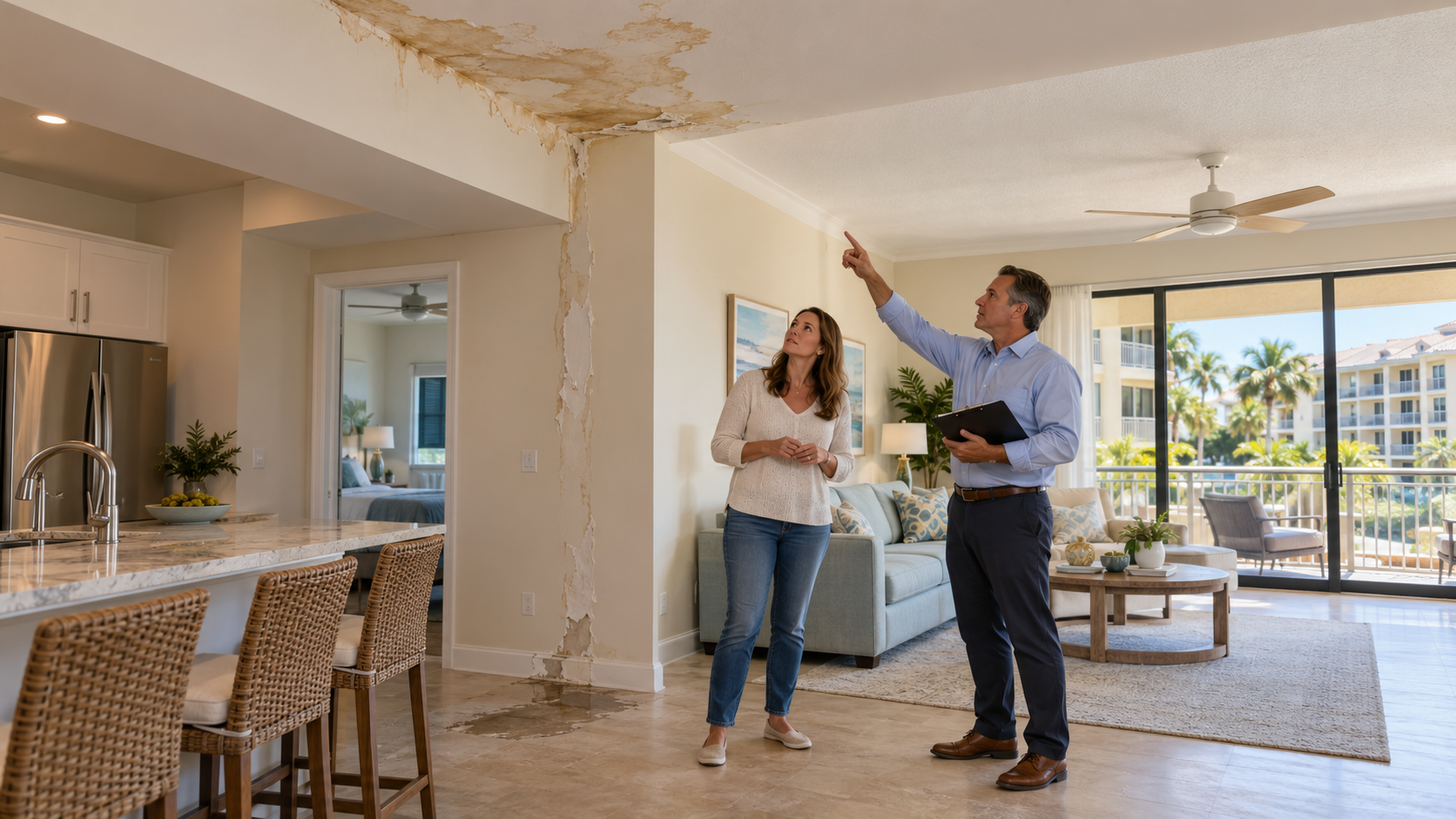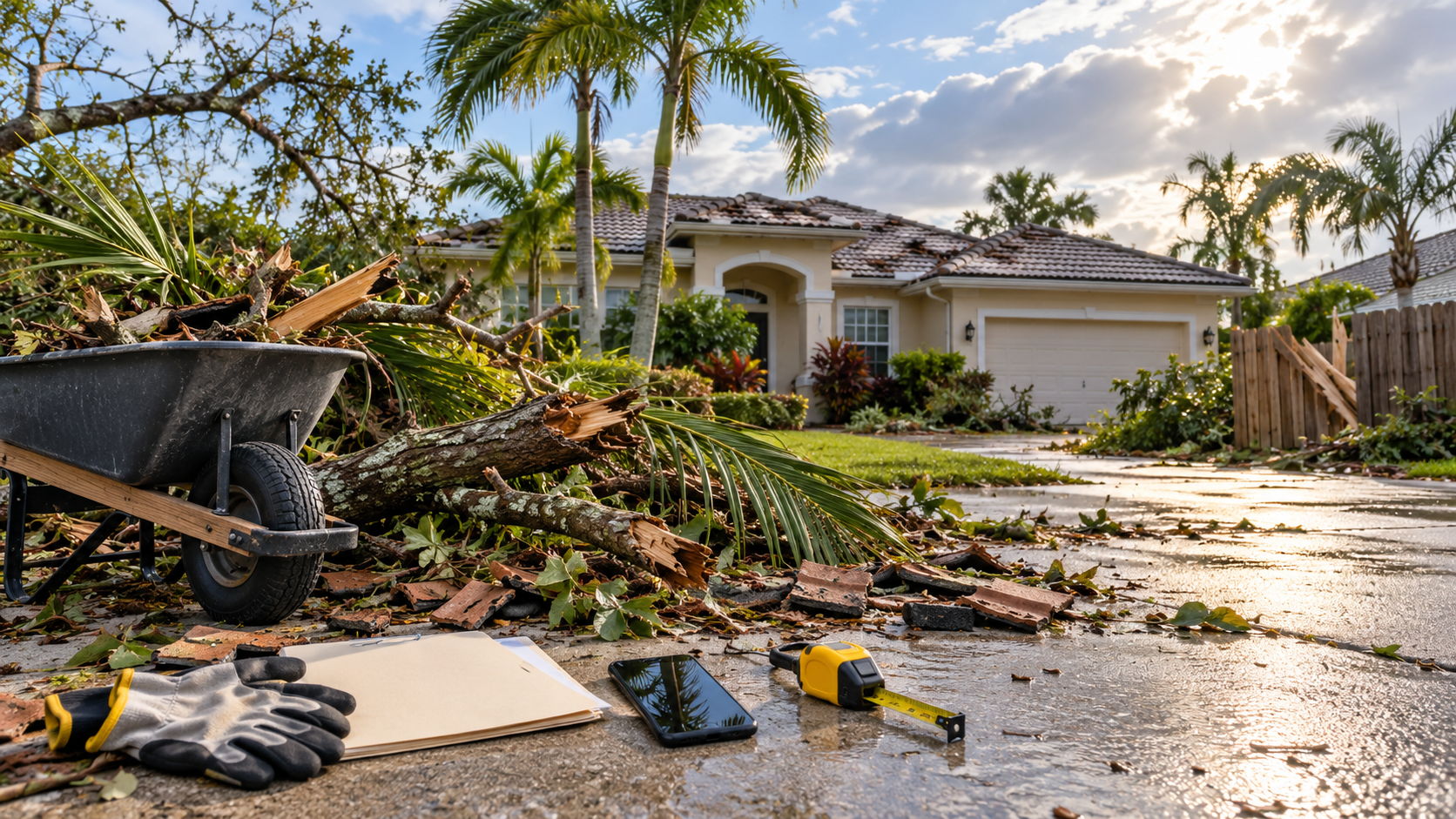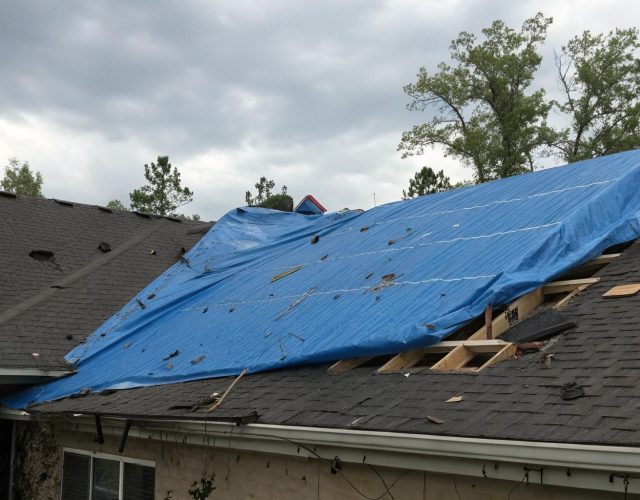
Water leaking from an air-conditioning system can start as a small problem and quickly spread into ceilings, drywall, flooring, cabinets, insulation, or other parts of a home. When that happens, homeowners often want to know whether their insurance policy will help pay for the resulting damage.
So, is water damage from an AC leak covered by insurance?
It may be. Florida consumer insurance guidance recognizes leaking air-conditioning units as a potential source of water damage that may fall within homeowners insurance coverage. However, an AC leak insurance claim is not automatically covered simply because the water came from an HVAC system.
At PICC FLA, we help Florida property owners with water damage insurance claims, including losses involving AC leaks. We look at how the water damage happened, when it was discovered, what parts of the property were affected, what the policy says, and whether the loss has been properly documented.
The specific policy always matters. Coverage can depend on the cause of the leak, policy exclusions, conditions, deductibles, limits, and other facts surrounding the loss.
When Can Water Damage From an AC Leak Be Covered?
Homeowners insurance may provide coverage for resulting water damage when the circumstances fall within the policy’s covered causes of loss.
Florida consumer guidance explains that water damage may result from plumbing issues, appliances, or an air-conditioning unit leaking and damaging walls, ceilings, or floors.
That does not mean every HVAC-related water problem receives the same coverage.
When we evaluate a claim, we do not start by assuming that an AC leak is either covered or excluded. We start with the actual facts and the insurance policy.
Our property insurance claim process includes reviewing policy information, inspecting the loss, documenting damage, preparing estimates when appropriate, and presenting the claim from the policyholder’s side.
For an AC leak, important questions can include:
- When was the water first discovered?
- Where did it originate?
- Was the discharge sudden?
- Which rooms or building materials were affected?
- Was the problem addressed after it was discovered?
- What does the policy say about water damage?
- Are there exclusions or limitations that may apply?
- What deductible applies to the loss?
Those details can make a significant difference in how an AC water damage claim is evaluated.
How Does Air Conditioner Leak Homeowners Insurance Coverage Work?
When people search for air conditioner leak homeowners insurance, they often expect a simple yes or no answer.
In practice, the answer usually requires a closer look at the policy.
A homeowners policy explains the property and causes of loss it covers, along with exclusions, conditions, deductibles, limits, and duties the policyholder must follow after damage occurs.
At PICC FLA, we encourage property owners to review these parts of the policy rather than focusing only on the declarations page.
There can also be a difference between damage caused by leaking water and the mechanical problem that allowed the leak to occur.
For example, water may affect drywall, flooring, or other building materials after an HVAC component develops a problem. Whether the resulting property damage and the failed component itself are treated the same way depends on the specific policy and facts.
We do not recommend assuming that coverage for one automatically establishes coverage for the other.
What Should You Do Immediately After Discovering an AC Leak?
Your first priority should be preventing additional property damage when it is safe to do so.
Do not allow an active water leak to continue simply because an insurance inspection has not yet occurred.
At the same time, document the condition of the property before cleanup or repairs substantially change what can be seen.
If possible, take photographs and videos showing:
- Where the water appeared
- The area surrounding the AC system
- Water stains on ceilings or walls
- Wet flooring or baseboards
- Damaged cabinets
- Affected personal belongings
- Water accumulation
- Damage in adjoining areas
Our guide about temporary repairs before an insurance inspection explains why reasonable steps to prevent further damage can be appropriate while still preserving evidence.
Keep receipts and invoices for emergency work, water removal, temporary repairs, or other loss-related expenses.
How Should You Document AC Drain Line Water Damage Insurance Claims?
Documentation is especially important when dealing with AC drain line water damage insurance claims.
The visible water may be only part of the problem. Moisture can travel beneath flooring, around cabinets, through drywall, or into other areas that are difficult to see during the first inspection.
Our current guidance on filing a home insurance claim specifically notes that relatively small AC leaks can become larger restoration projects when moisture becomes trapped beneath flooring or inside wall cavities.
We recommend creating a claim file containing:
- Photos and videos from the day the leak was discovered
- The date and approximate time you noticed the problem
- Repair or service documentation
- Moisture or water-removal records, when applicable
- Receipts for emergency expenses
- A list of damaged belongings
- Insurance correspondence
- Inspection reports
- Estimates
- Claim letters and payment documents
Continue documenting the condition of the property as cleanup and repairs progress.
How Do You File an AC Leak Insurance Claim?
An AC leak insurance claim generally begins by reporting the property damage according to the policy’s requirements.
Be accurate when explaining what happened.
If you know where the water appeared but do not yet know exactly why the HVAC system leaked, describe what you observed instead of guessing about the technical cause.
For example, you may know that water appeared below an air-conditioning unit or near a drain line without knowing whether a blockage, component failure, or another issue caused the discharge.
Your claim documentation should focus on known facts.
Our property damage claim process also emphasizes documenting the damaged property and reviewing the declarations, insuring agreement, conditions, and exclusions that may affect the claim.
Under current Florida law, an initial or reopened property insurance claim generally must be reported within one year after the date of loss. A policy may impose additional duties, so we recommend addressing the loss promptly rather than waiting for the statutory deadline.
What Happens During an HVAC Leak Claim Inspection?
After an HVAC leak claim is reported, the insurance company may arrange an inspection.
The inspection may include the apparent source of the water, visible property damage, affected rooms, and other conditions associated with the loss.
An initial visual inspection may not identify every affected material.
Water can migrate into flooring, walls, cabinets, insulation, and other concealed areas. Our guide explaining what happens after an insurance adjuster inspects your home specifically discusses the possibility of hidden water damage becoming apparent later.
If additional damage appears after the inspection, document it promptly.
Take new photographs and videos, keep repair information, and maintain records showing when the additional condition became visible.
How Should You Review an AC Leak Insurance Estimate?
If coverage is accepted and you receive an insurance estimate, do not look only at the final dollar amount.
Review what the estimate actually includes.
Our guide explaining how to read an insurance claim estimate recommends comparing the estimate with the actual property condition, photographs, repair information, and other claim documentation.
For an AC water damage claim, consider checking:
- Are all affected rooms listed?
- Is damaged drywall included?
- Is damaged flooring included?
- Are affected baseboards included?
- Are cabinets included when documented as damaged?
- Do the quantities appear consistent with the affected area?
- What depreciation was applied?
- What deductible was applied?
- Are important repair operations missing?
- Was later-discovered damage considered?
A difference between the estimate and an expected repair cost does not automatically prove that the claim was underpaid.
The important step is identifying exactly what differs and determining whether the documented covered damage is properly represented.
What Happens If More Damage Appears After the First Inspection?
Water damage sometimes becomes clearer when wet materials are removed or repairs begin.
For example, flooring removal may reveal additional affected material underneath, or opening a damaged area may show water migration that was not visible during the initial inspection.
When additional covered damage or repair costs from the same loss need to be presented, a supplemental insurance claim may be appropriate.
A supplemental claim generally relates to additional loss or damage from the same event that was previously adjusted, or qualifying additional costs associated with repairing that loss.
Under current Florida law, notice of a supplemental property insurance claim generally must be provided within 18 months after the date of loss.
Submitting a supplement does not guarantee additional coverage or payment. The policy, evidence, cause of loss, and connection between the additional damage and the original event still matter.
What Should You Do If the AC Leak Claim Appears Underpaid?
If the amount paid does not appear to match the documented damage, start by comparing the insurance estimate with your evidence.
Our guide on underpaid property damage insurance claims discusses how disagreements can involve the extent of damage, repair costs, documentation, or differences in the repair scope.
Look carefully at:
- Photos and videos
- Affected rooms
- Measurements
- Damaged materials
- Repair estimates
- Invoices
- Depreciation
- Deductibles
- Omitted areas or repair items
Receiving a payment does not necessarily answer every question about a property claim.
Depending on the policy, documented loss, claim status, and additional evidence, further review may be appropriate.
What If the Insurance Company Requests Additional Claim Documents?
An insurance company may request additional information while investigating an AC water damage claim.
One possible request is a proof of loss.
A proof of loss is a formal claim document describing information about the property loss and the amount being claimed. Depending on the policy, it may need to be signed or sworn.
Our guide explaining what a proof of loss is and when it is due notes that there is not one universal proof-of-loss deadline for every Florida property claim.
The policy and the specific request should be reviewed carefully.
You may also be asked questions about when you discovered the water, what you observed, what repairs were made, or what documents support the claimed damage. Accurate documentation can help you answer those questions consistently.
How Can We Help With an AC Leak Insurance Claim?
At PICC FLA, we represent Florida policyholders during the property insurance claim process.
AC leaks fall within the water damage claim services described on our website. Our work can include inspecting the property, reviewing policy and claim information, documenting damage, preparing estimates when appropriate, organizing supporting records, presenting claim information, communicating during adjustment, and negotiating from the policyholder’s side.
We do not assume that every AC leak is covered.
Instead, we look at the policy and the facts surrounding the loss.
If you have discovered AC water damage, already filed a claim, received an estimate, or believe important damage may have been missed, you can contact PICC FLA for a claim review.
Which Organizations Support This Information?
Works Cited
Florida Department of Financial Services. “Flood Insurance Myths and Facts Guide.” Office of the Insurance Consumer Advocate, Florida Department of Financial Services, 2026. Accessed 22 Sept. 2026. This consumer guide identifies leaking air-conditioning units as a possible source of water damage to walls, ceilings, and floors and distinguishes water damage from flooding.
Florida Department of Financial Services. “Homeowners Insurance Overview.” Division of Consumer Services, Florida Department of Financial Services. Accessed 22 Sept. 2026. This resource explains homeowners claim duties, mitigation, documentation, policy differences, water-damage issues, and current Florida property claim reporting periods.
Florida Legislature. “Florida Statutes, Section 627.70132: Notice of Property Insurance Claim.” The Florida Statutes, 2025. Accessed 22 Sept. 2026. This statute establishes the notice periods applicable to initial, reopened, and supplemental property insurance claims.