A house fire can leave you facing damaged belongings, unexpected expenses, and difficult decisions about your home. Once everyone is safe, one of the most important questions is: What should you do after a house fire to protect your insurance claim?
The first steps are to notify your insurance company, document the damage, protect the property from further loss, and preserve evidence before permanent repairs begin. These actions can help establish what happened and support an accurate insurance claim.
At PICC FLA, we help Florida homeowners navigate fire damage insurance claims. We review property damage, evaluate available policy information, prepare supporting documentation, and represent policyholders during the claims process.
Understanding what to do after house fire insurance damage occurs can help you avoid missing important records, overlooking damaged property, or making decisions before the full extent of the loss is understood.
What Should You Do Immediately After a House Fire?
Your safety and your family’s safety must come first. Before thinking about insurance paperwork, confirm that everyone is accounted for and that the property is safe.
Do not reenter a fire-damaged home until fire officials confirm that entry is permitted. Structural damage, electrical hazards, unstable flooring, and remaining fire-related hazards may make the building unsafe.
Once it is safe to begin the recovery process, we recommend:
- Contacting your insurance company promptly
- Requesting available fire incident documentation
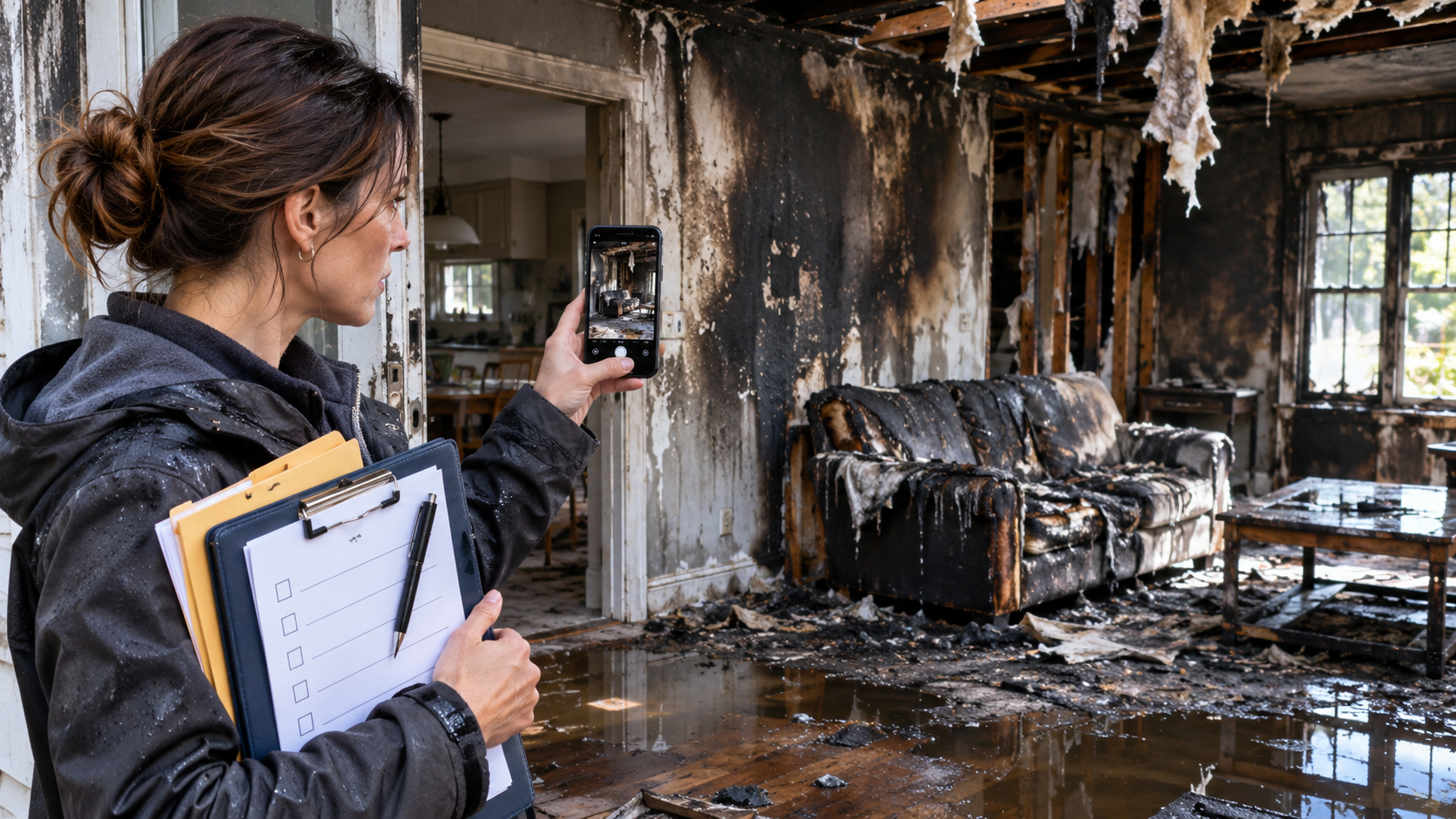
- Photographing visible damage when safe
- Protecting the property from additional damage
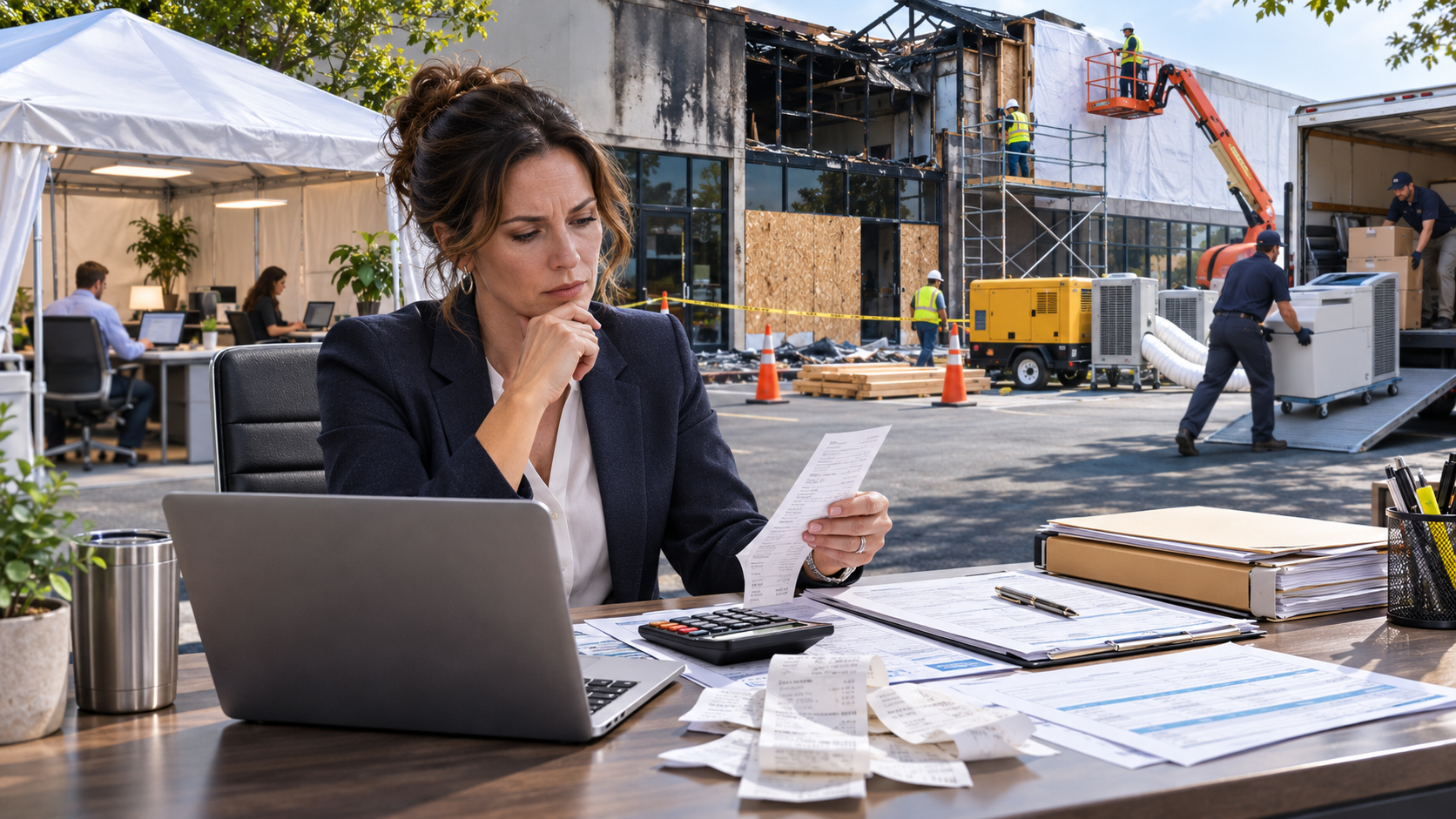
- Keeping receipts for necessary emergency expenses
- Preserving damaged belongings for inspection
- Reviewing your homeowners insurance policy
These steps provide a starting point for the fire damage claim process.
Our fire damage public adjuster services in Florida explain how we assist homeowners with documenting fire, smoke, soot, and related property damage.
How Soon Should You Report a House Fire to Your Insurance Company?
Report the fire to your insurance company as soon as reasonably possible.
Your policy may contain specific notification requirements, so delaying the report can create unnecessary complications.
When contacting your insurer, provide factual information, including:
- Your name and policy information
- The property address
- The date of the fire
- A brief description of the incident
- The areas visibly affected
- Whether the property is currently safe to occupy
You do not need to know the complete repair cost when initially reporting the damage.
We recommend requesting a claim number and keeping a written record of the conversation.
Our guide on how to file a homeowners insurance claim explains the importance of timely reporting, documentation, and understanding policy requirements.
How Should You Document Fire Damage for an Insurance Claim?
Detailed documentation helps establish the condition of your property following the fire.
Fire damage may extend beyond areas directly touched by flames. Smoke, soot, heat, and water used during firefighting can affect additional portions of the home.
At PICC FLA, we emphasize documenting both visible damage and conditions that may require further inspection.
What Photos and Videos Should You Take?
When the property is safe to access, photograph affected areas before cleanup or repairs change their condition.
Capture:
- Burned walls, ceilings, flooring, and roofing
- Damaged doors, windows, and fixtures
- Smoke staining and visible soot
- Damaged furniture and household belongings
- Water damage following firefighting efforts
- Exterior damage and affected structural components
Take wide photographs showing entire rooms and closer images showing individual damaged areas.
If available, preserve photographs showing your home’s condition before the fire.
Our article on what to do when your property sustains damage explains how photographs and supporting records help document an insurance claim.
How Should You Record Damaged Personal Property?
Prepare an inventory of damaged or destroyed belongings.
Include the item description, quantity, approximate purchase date, original cost, and available evidence of ownership.
Receipts, photographs, financial records, and purchase confirmations may help establish an item’s value.
Do not assume that only completely destroyed belongings belong in the inventory. Smoke or heat may also affect personal property, subject to the policy and the condition of each item.
What Types of Damage Should a House Fire Insurance Claim Include?
Fire damage can involve more than burned construction materials.
Depending on the circumstances and policy, the claim may involve several categories of damage.
Direct fire damage: Damage to walls, ceilings, floors, cabinetry, roofing, and other building components caused by flames and heat.
Smoke and soot damage: Residue and contamination affecting surfaces, furnishings, and areas beyond the location of the fire.
Water damage: Damage caused by water used to extinguish the fire, including moisture affecting floors, walls, and other materials.
Personal property damage: Furniture, clothing, electronics, appliances, and other belongings damaged or destroyed during the incident.
A complete inspection helps determine which areas need repair, cleaning, replacement, or additional evaluation.
Our property insurance claim process includes assessing property damage and preparing supporting claim documentation.
Should You Clean or Repair Your Home Before the Insurance Inspection?
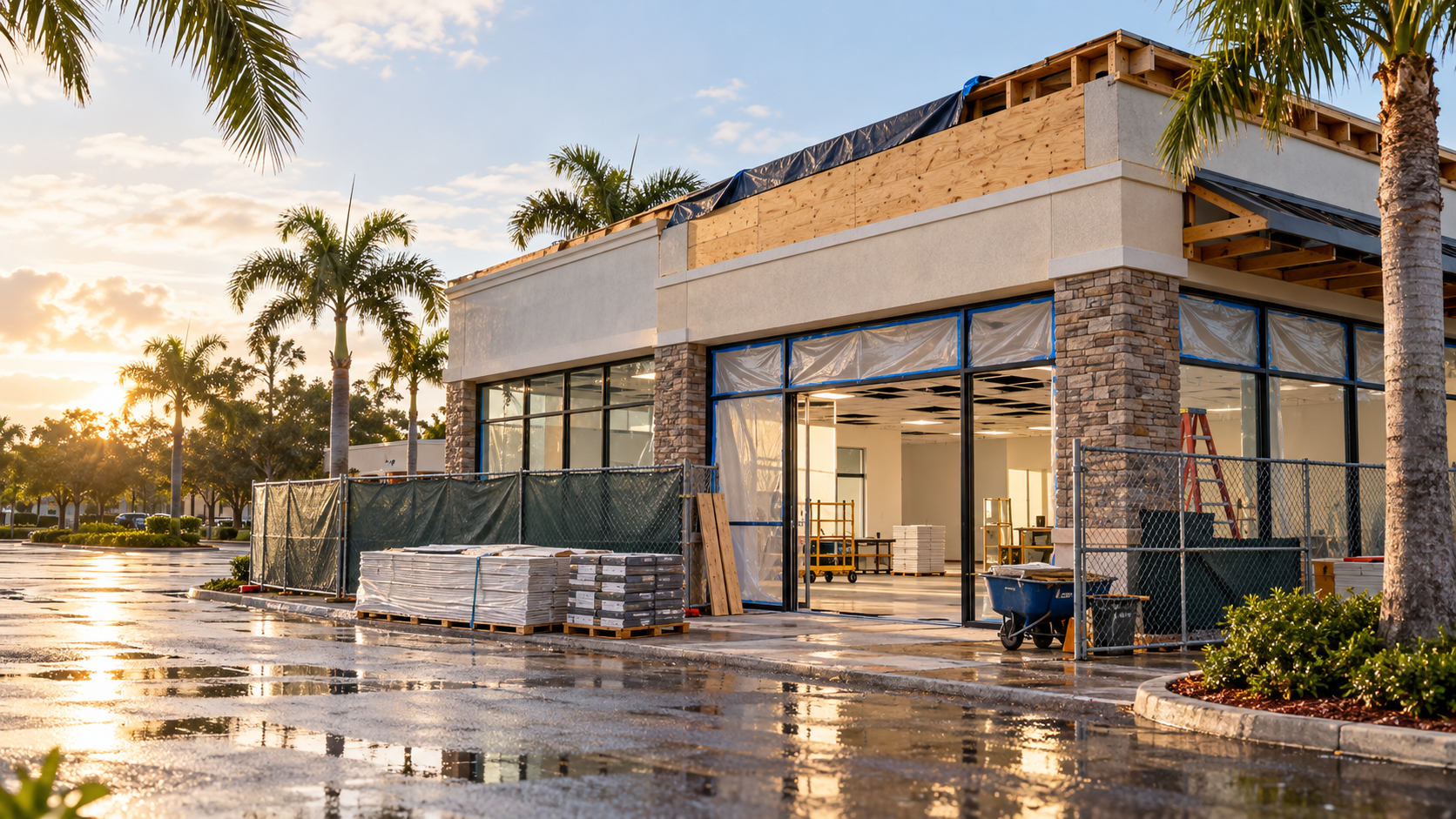
Necessary temporary repairs may be appropriate when they help prevent further damage or protect the property.
However, avoid beginning nonessential permanent repairs before the damage has been adequately documented and the insurer has had a reasonable opportunity to inspect.
For example, temporary measures may involve securing damaged openings or protecting exposed areas from weather, provided these actions can be completed safely.
We recommend:
- Photographing conditions before temporary repairs when safe
- Keeping receipts and invoices
- Recording what work was performed
- Preserving damaged materials when practical
- Communicating with your insurance company about urgent repairs
- Avoiding unnecessary disposal of damaged property
If an item creates an immediate health or safety hazard, prioritize safety and document it before disposal whenever possible.
This approach helps satisfy reasonable loss-mitigation responsibilities while preserving important claim evidence.
Can Homeowners Insurance Cover Temporary Housing After a Fire?
A fire may leave your home temporarily uninhabitable.
Depending on your policy, loss of use or additional living expense coverage may help pay qualifying increases in living expenses while your home cannot be occupied because of a covered loss.
Potential expenses may include temporary accommodation, additional meal costs, and certain other necessary living expenses.
However, not every expense automatically qualifies.
Coverage depends on your policy’s limits, conditions, and applicable period of eligibility.
Keep receipts, invoices, and records of expenses associated with your temporary living arrangements.
Our guide on what loss of use coverage pays after property damage explains how this protection may apply.
What Happens During the Fire Damage Claim Inspection?
After you report the claim, your insurance company generally arranges an investigation that may include a property inspection.
The assigned adjuster evaluates the reported damage and gathers information needed to assess the loss.
We recommend being prepared to show the affected areas and provide supporting documentation.
Important information may include:
- Photographs and videos
- Damaged personal property inventories
- Available fire reports
- Emergency repair invoices
- Temporary housing expenses
- Existing repair estimates
- Records of communication about the claim
An initial inspection may not identify every damaged component.
Some smoke, soot, moisture, or concealed damage may require additional professional assessment.
Our article on what happens after an insurance adjuster inspects your home explains why the inspection is only one part of the claim evaluation.
How Can You Review Your Fire Insurance Claim Estimate?
Once the insurer prepares an estimate, review it carefully before assuming every damaged area has been included.
An estimate may identify repair operations, materials, labor, depreciation, deductibles, and other adjustments.
Compare the estimate with your photographs, inspection records, and available repair information.
Questions worth asking include:
- Are all damaged rooms included?
- Does the estimate address documented smoke and soot damage?
- Are water-damaged materials accounted for?
- Are repair quantities consistent with the affected areas?
- Are damaged belongings being evaluated separately where appropriate?
- Are depreciation and deductible amounts explained?
At PICC FLA, we help homeowners evaluate claim documentation and identify differences between the insurer’s estimate and the documented property conditions.
Our guide on how to read an insurance claim estimate explains these details.
What Insurance Claim Documents Should You Keep After a Fire?
Keeping your claim organized can make it easier to respond when additional information is requested.
We recommend maintaining one folder containing your insurance policy, claim number, photographs, receipts, inventories, inspection reports, estimates, and claim correspondence.
Depending on the policy, the insurer may require a formal proof of loss.
A proof of loss generally identifies the damaged property, circumstances of the loss, and amount being claimed.
Deadlines and submission requirements vary, so review your policy and any written requests carefully.
Our guide on what a proof of loss is and when it is due explains the importance of accurate information and applicable deadlines.
What Should Your Home Fire Claim Checklist Include?
A practical home fire claim checklist can help you keep track of important responsibilities while recovering from the loss.
Use the following checklist:
- Confirm the property is safe before entering.
- Notify your insurance company promptly.
- Obtain and record your claim number.
- Request available fire incident documentation.
- Photograph damaged areas when safe.
- Prepare a damaged belongings inventory.
- Preserve receipts and proof of ownership.
- Complete necessary temporary protective measures.
- Keep emergency repair and housing receipts.
- Review the insurance policy and claim requirements.
- Attend or coordinate the insurance inspection.
- Compare the insurer’s estimate with documented damage.
- Keep copies of submitted documents.
- Monitor applicable deadlines and claim communications.
Not every step will apply in exactly the same way to every property, but maintaining these records can help support a more complete claim evaluation.
What If Additional Fire Damage Is Discovered Later?
Some property damage becomes apparent only during further inspection, cleaning, or repairs.
For example, additional smoke residue, damaged insulation, or moisture-related deterioration may be discovered after the original inspection.
If this happens, document the newly identified damage and notify the appropriate parties.
Depending on the circumstances, a supplemental claim may be appropriate when additional covered damage or repair costs associated with the original loss need to be presented.
Our guide to supplemental insurance claims in Florida explains how additional documentation may be evaluated.
Additional damage does not automatically guarantee further payment. The policy, evidence, and applicable deadlines remain important.
How Can PICC FLA Help Protect Your House Fire Insurance Claim?
At PICC FLA, we represent Florida homeowners during the property insurance claims process.
Our fire damage public adjusting services focus on identifying and documenting property losses, reviewing relevant policy information, preparing supporting materials, evaluating repair estimates, and negotiating with insurance companies on behalf of policyholders.
We understand that recovering from a house fire involves difficult decisions about damaged property, temporary living arrangements, and rebuilding.
Our role is to help you navigate the insurance claim with documentation that reflects the actual damage and the applicable coverage.
If your home has experienced fire, smoke, soot, or related water damage, contact PICC FLA to request a free fire damage claim consultation.
What Should You Remember About Protecting Your Insurance Claim After a House Fire?
Protecting your insurance claim after a fire begins with safety, timely reporting, careful documentation, and preserving evidence.
The fire damage claim process may involve structural repairs, smoke and soot cleaning, personal property replacement, temporary housing expenses, and additional documentation as the loss is evaluated.
At PICC FLA, we help Florida homeowners understand these steps and present property insurance claims supported by accurate information.
If you are unsure what to do after house fire insurance damage, begin with the safety of your household and the preservation of your records. A documented loss provides a stronger foundation for an accurate claim evaluation.
Which Organizations Support This Post-Fire Insurance Guidance?
Florida Department of Financial Services. “Homeowners Insurance Overview.” Division of Consumer Services, https://myfloridacfo.com/division/consumers/understanding-insurance/homeownersinsuranceoverview. Accessed 9 Nov. 2026.
Florida Department of Financial Services. “Understanding Assignment of Benefits (AOB).” Division of Consumer Services, https://myfloridacfo.com/division/consumers/consumerprotections/assignmentofbenefits. Accessed 9 Nov. 2026.
United States Fire Administration. “Helping Community Residents After a Home Fire.” U.S. Fire Administration, https://www.usfa.fema.gov/prevention/home-fires/after-a-fire/. Accessed 9 Nov. 2026.
United States Fire Administration. After the Fire: Returning to Normal. https://www.usfa.fema.gov/downloads/pdf/publications/fa_46.pdf. Accessed 9 Nov. 2026.