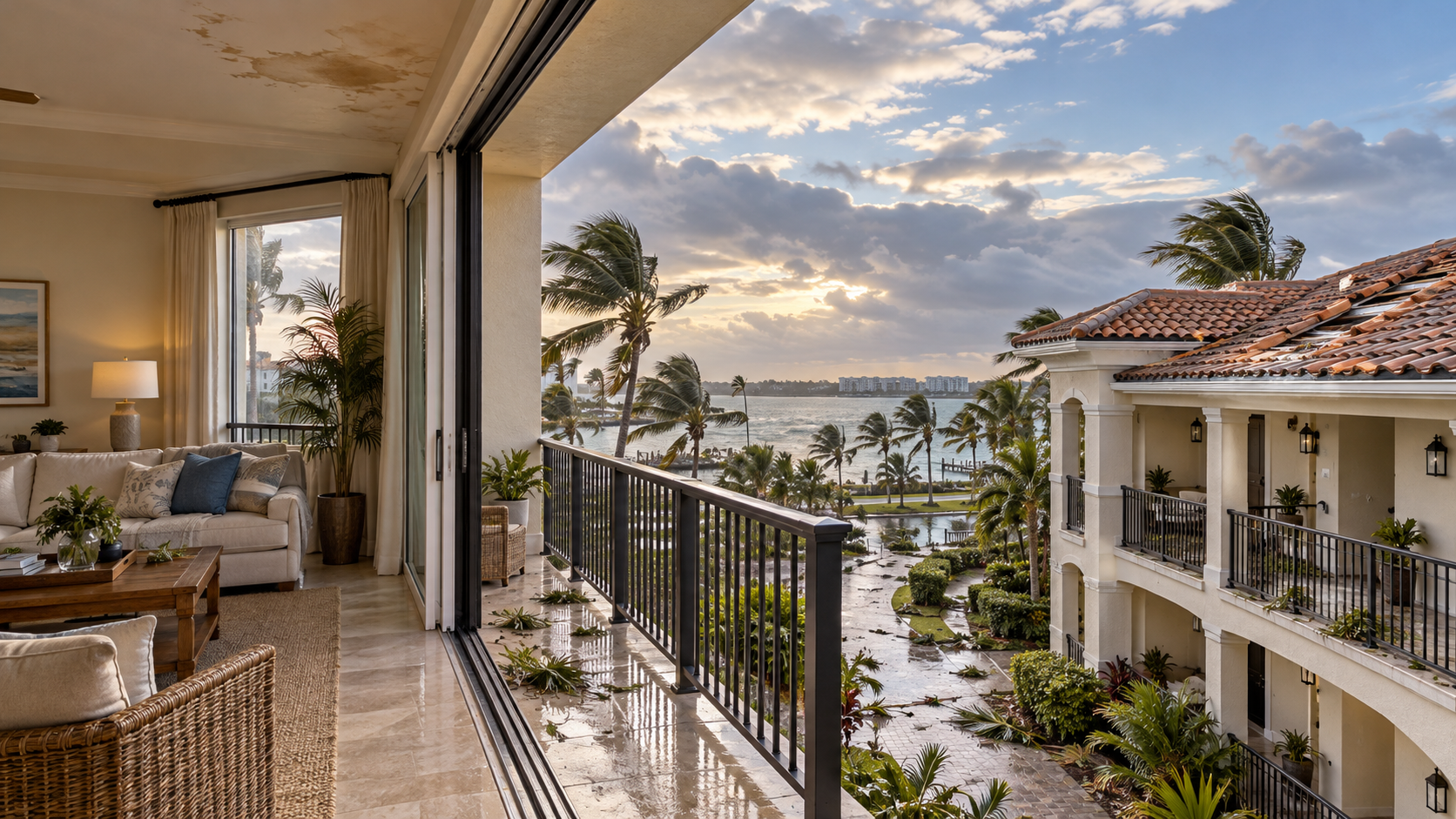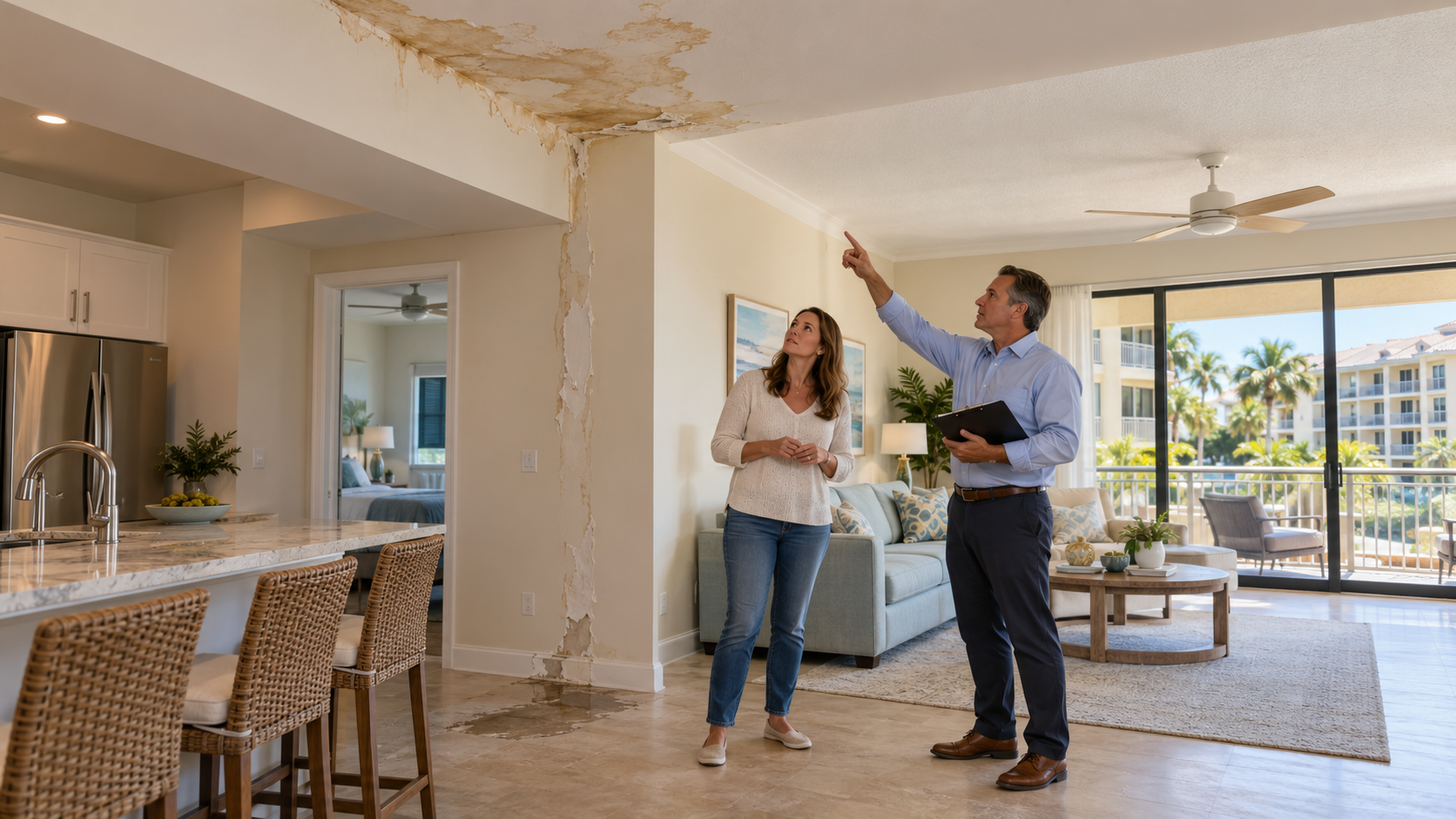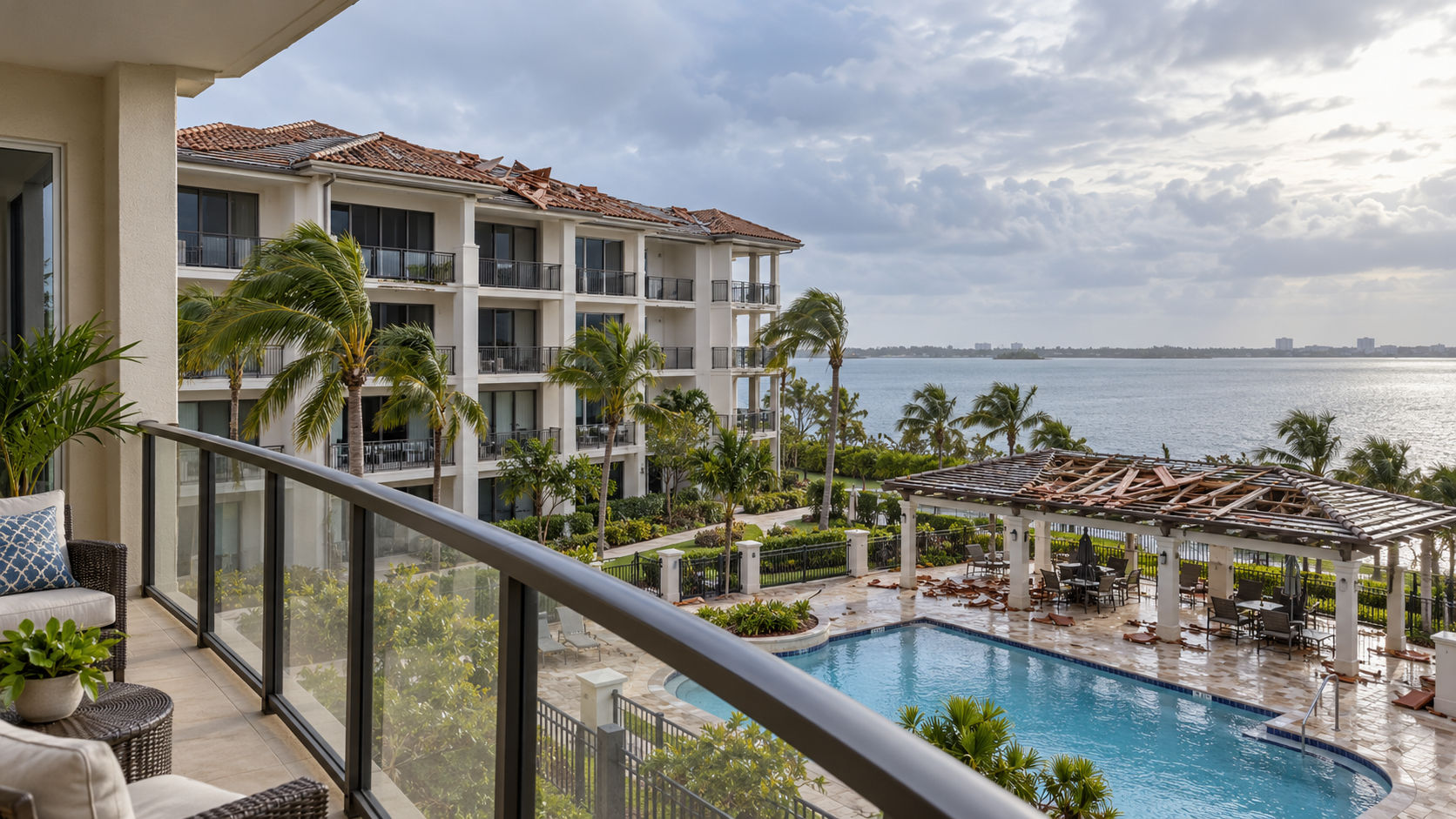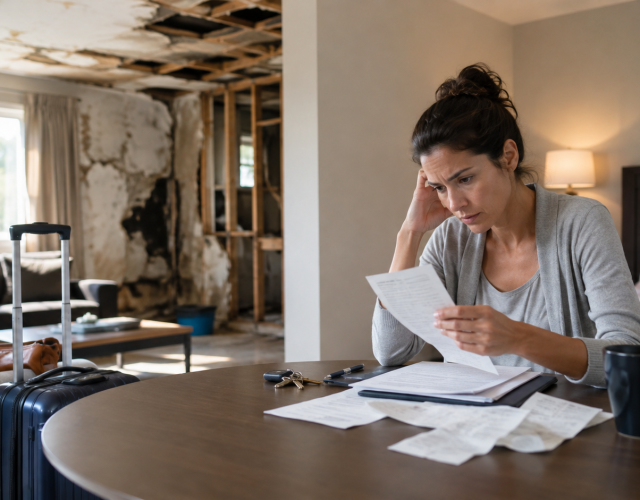
When serious property damage makes your home unsafe or unlivable, the financial impact can go far beyond repairing the building itself. You may suddenly need a hotel, rental home, restaurant meals, storage, extra transportation, or other temporary arrangements while your property is being repaired.
That is where loss of use coverage may become important.
Loss of use coverage is commonly associated with additional living expenses, often called ALE. When coverage applies, it can help address reasonable increases in your normal living expenses when a covered property loss prevents you from staying in your home.
At PICC FLA, we help Florida property owners understand and document the different parts of a property insurance claim. This includes reviewing the policy, evaluating the physical damage, documenting expenses, preparing claim information, and addressing situations where a covered loss may have been overlooked or underpaid.
If your home has been damaged and you are temporarily living somewhere else, understanding how additional living expenses insurance works can help you protect an important part of your claim.
What Does Loss of Use Coverage Actually Pay For?
Loss of use coverage generally addresses the additional expenses you reasonably incur because you cannot live in your home following a covered loss.
The key word is additional.
This coverage generally does not replace every normal household expense. Instead, it may cover the reasonable difference between what you normally spend and what you must spend because you have been displaced.
For example, if you normally prepare meals at home but are staying in a hotel without a kitchen, reasonable additional meal costs may become part of your loss of use claim. If you normally spend a certain amount on groceries, that normal amount may be considered when calculating the additional expense.
Florida consumer insurance guidance identifies loss of use as a common property coverage under homeowners insurance and explains that additional living expense coverage pays reasonable excess expenses while a covered loss makes a residence uninhabitable.
Because every insurance contract is different, the exact benefits available depend on your policy’s coverage, conditions, exclusions, limits, and the circumstances surrounding the loss.
This is one reason we encourage property owners to review their policy early in the property insurance claim process rather than assuming every expense will automatically be reimbursed.
When Does Loss of Use Coverage Apply?
Loss of use coverage may become relevant when physical damage caused by a covered event makes the insured residence uninhabitable or prevents the household from reasonably living there during repairs.
The underlying cause of the property damage matters.
A temporary relocation does not automatically create coverage simply because leaving the home is more convenient. Whether an ALE insurance claim applies depends on the policy and whether the circumstances satisfy its coverage requirements.
Situations may involve significant:
- Fire or smoke damage
- Water damage
- Roof damage
- Storm damage
- Structural damage
- Damage requiring substantial repairs
- Conditions that make normal occupancy unsafe or impractical
At PICC FLA, we evaluate residential property claims based on the actual loss and available policy information. Our residential insurance claims service focuses on helping homeowners document property damage and navigate the claim process from the policyholder’s perspective.
An important distinction is that being inconvenienced by repairs is not necessarily the same as the home being uninhabitable under the applicable policy. The specific facts and policy language must be reviewed.
Which Additional Living Expenses May Be Included?
When coverage applies, additional living expenses insurance may address several categories of reasonable extra costs related to displacement.
Depending on the policy and circumstances, these may include:
- Hotel or motel expenses
- Temporary apartment or rental home expenses
- Additional food expenses
- Storage of undamaged personal property
- Relocation expenses
- Furniture rental for temporary housing
- Utility installation at a temporary residence
- Additional transportation costs caused by relocation
Florida guidance specifically identifies alternative housing, additional food costs, relocation, storage, furniture rental, and certain temporary utility expenses as examples that may fall within ALE coverage.
However, coverage should never be assumed simply because an expense occurred while you were displaced.
Your policy may establish dollar limits, time restrictions, coverage requirements, and standards concerning what expenses are considered reasonable.
That is why receipts and supporting documents matter.
How Does an ALE Insurance Claim Calculate Extra Costs?
An ALE claim usually focuses on the increase above your normal expenses rather than your entire temporary cost of living.
Imagine that your household normally spends $700 per month on groceries. After a covered loss, you have to stay somewhere without a usable kitchen and your reasonable food expenses increase to $1,100 for the month.
The relevant additional expense may be the $400 increase, subject to your policy and the insurer’s evaluation.
The same concept can apply to transportation.
If your temporary housing is farther from work or school and causes additional transportation expenses, the increase above your usual transportation costs may need to be documented.
Loss of use coverage generally is not designed to eliminate your ordinary financial obligations simply because you are temporarily displaced. Florida guidance explains that ALE addresses reasonable excess living expenses rather than expenses you would normally have incurred anyway.
This difference is important when preparing a homeowners insurance temporary housing claim.
What Should You Document for a Homeowners Insurance Temporary Housing Claim?
Documentation can make a major difference when presenting additional living expenses.
We recommend keeping clear records beginning as soon as displacement occurs.
Useful documentation can include:
- Hotel invoices
- Rental agreements
- Restaurant receipts
- Grocery receipts
- Storage invoices
- Moving or relocation receipts
- Transportation records
- Temporary utility bills
- Furniture rental invoices
- Communications concerning why the home cannot be occupied
- Photographs and videos showing the property condition
- Repair estimates and inspection reports
- Dates showing when you left and returned to the property
You should also retain records that establish your normal expenses before the loss. Those records can help show which expenses actually increased because of displacement.
Florida consumer guidance specifically advises policyholders to keep receipts for additional living expenses because reimbursement may depend on documentation of the costs incurred.
Good documentation is also important throughout the broader claim. Our guide explaining what happens after the insurance adjuster inspects your home discusses why homeowners should continue documenting damage even after the initial inspection.
What Can Cause a Loss of Use Claim to Be Underpaid?
Sometimes a property owner focuses almost entirely on the repair estimate and does not realize that temporary living expenses may also need careful documentation.
Problems can arise when:
- Receipts are incomplete or missing.
- Additional costs are not clearly separated from normal expenses.
- The length of displacement is disputed.
- The insurer questions whether the home was uninhabitable.
- Certain expenses are considered unreasonable.
- Expenses exceed applicable policy limits.
- The underlying cause of damage is disputed.
- Part of the loss was not properly documented.
- Additional damage extends the repair period.
An underpayment can also involve several parts of a property claim at the same time.
If the amount paid does not appear to reflect the documented loss, our guide to underpaid property damage insurance claims explains why reviewing estimates, photographs, receipts, repair costs, and other supporting evidence can be important.
The first payment does not necessarily tell you whether every documented component of the claim has been evaluated correctly.
What Happens If Additional Expenses Continue After the Initial Claim Estimate?
Property damage can develop into a longer repair process than originally expected.
Hidden damage may become visible during repairs. Additional work may become necessary. The period during which the property cannot reasonably be occupied may change.
When additional covered damage or costs connected with the original loss are discovered, further documentation may need to be presented.
Our explanation of a supplemental insurance claim in Florida discusses how additional loss or costs related to the same event may sometimes need to be addressed after the initial adjustment.
That does not mean every new expense is automatically covered.
We review the policy, the original loss, the newly documented information, and the relationship between the additional expense and the covered property damage.
Timing also matters. Florida property claims are subject to reporting requirements, so homeowners should not assume they can wait indefinitely before raising additional issues. Our guide to Florida property insurance claim deadlines explains why property owners should document and report claim issues promptly.
How Can We Help With a Loss of Use Coverage Claim?
At PICC FLA, our role is to represent the policyholder during the property insurance claim process.
We can help review:
- Property damage
- Policy information
- Existing insurance estimates
- Supporting photographs
- Repair documentation
- Temporary living expense records
- Receipts and invoices
- Claim correspondence
- Additional or previously undocumented damage
Our focus is on documenting and presenting the loss based on the actual property conditions, policy information, and supporting records.
If the insurer requests formal claim documentation, homeowners may also need to understand whether a proof of loss is required and when it is due.
When a disagreement primarily concerns the amount of a covered property loss, other claim-resolution options may sometimes be available depending on the policy and circumstances. Our guide to the home insurance appraisal process explains how appraisal may apply to certain disputes involving damage scope or valuation.
No public adjuster can guarantee that every expense will be covered. Coverage and payment depend on the insurance contract and facts of the individual claim.
Our job is to help ensure that the documented claim is properly prepared and presented from the policyholder’s perspective.
What Should You Do After Property Damage Forces You Out of Your Home?
If property damage has forced you to temporarily relocate, begin documenting expenses immediately.
Keep every receipt. Photograph the damage. Save claim correspondence. Record when you left the home and why you could not remain there. Review your policy for loss of use or additional living expense provisions, applicable limits, and requirements.
Most importantly, do not evaluate the repair portion of your property claim separately from the financial effects of being displaced.
A serious loss can involve structural repairs, damaged personal property, temporary housing, food, storage, transportation, and other expenses at the same time.
At PICC FLA, we help Florida property owners bring those pieces together so the insurance claim accurately documents the loss being presented.
If you believe your loss of use benefits, property damage, or other covered portions of your claim have not been fully evaluated, we can review your claim documentation and help you understand the next steps.
Which Organizations Support This Guidance?
Florida Department of Financial Services. “Homeowners Insurance Overview.” Division of Consumer Services, accessed 27 Aug. 2026. The Department explains that homeowners insurance normally includes Additional Living Expense coverage and that ALE pays reasonable excess expenses when an insured must live elsewhere because of a covered loss.
Florida Department of Financial Services. “Homeowners’ Insurance Toolkit.” Division of Consumer Services, accessed 27 Aug. 2026. The consumer guide identifies Coverage D as Loss of Use, also known as Additional Living Expense, and explains typical temporary housing, food, storage, relocation, utility, and furniture-related expenses.
National Association of Insurance Commissioners. “What Are Additional Living Expenses and How Can Insurance Help?” NAIC, 13 Jan. 2025, accessed 27 Aug. 2026. The consumer guidance explains that ALE may help with temporary housing and other increased living costs when a covered disaster prevents a homeowner from staying in the residence.