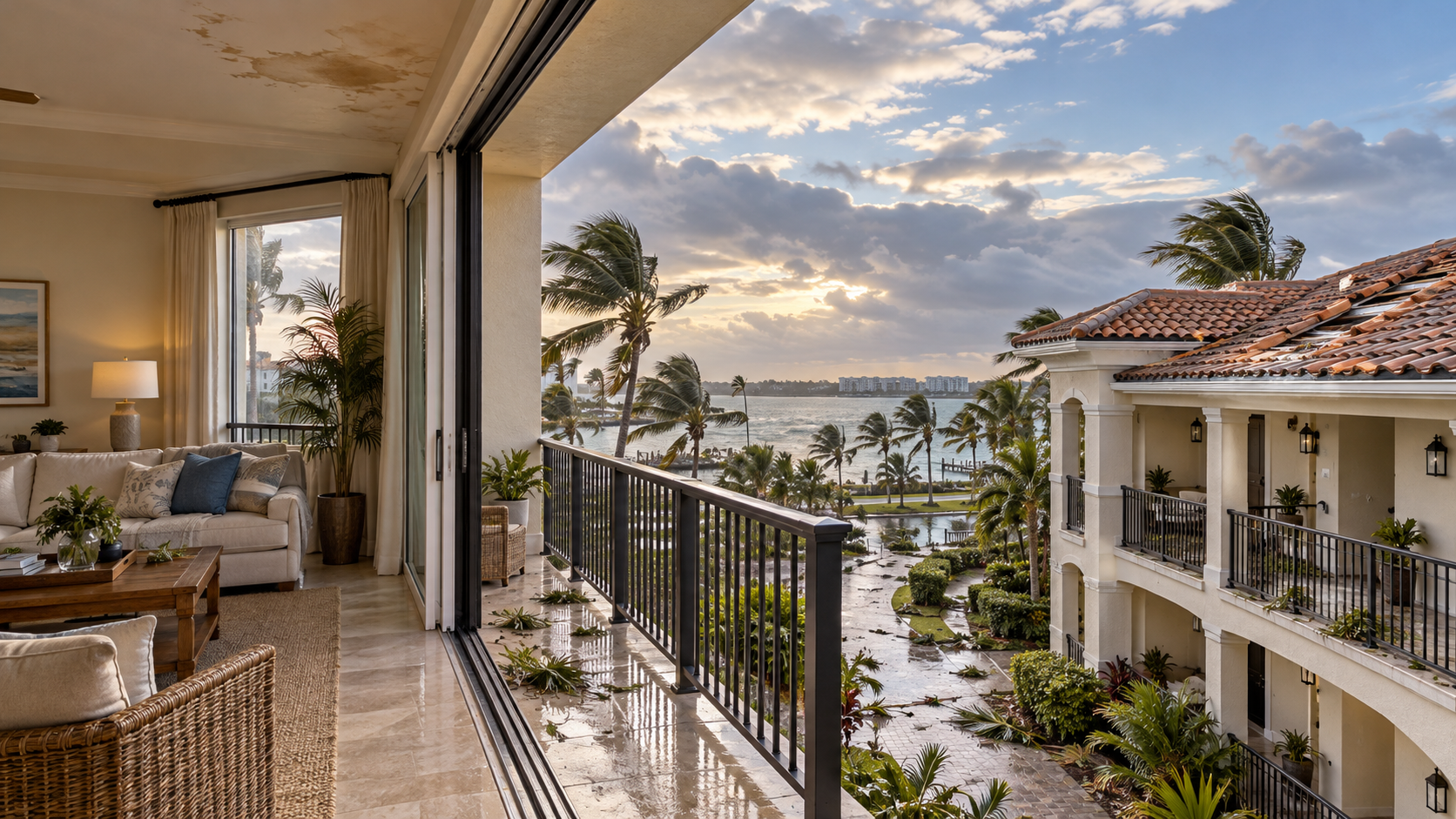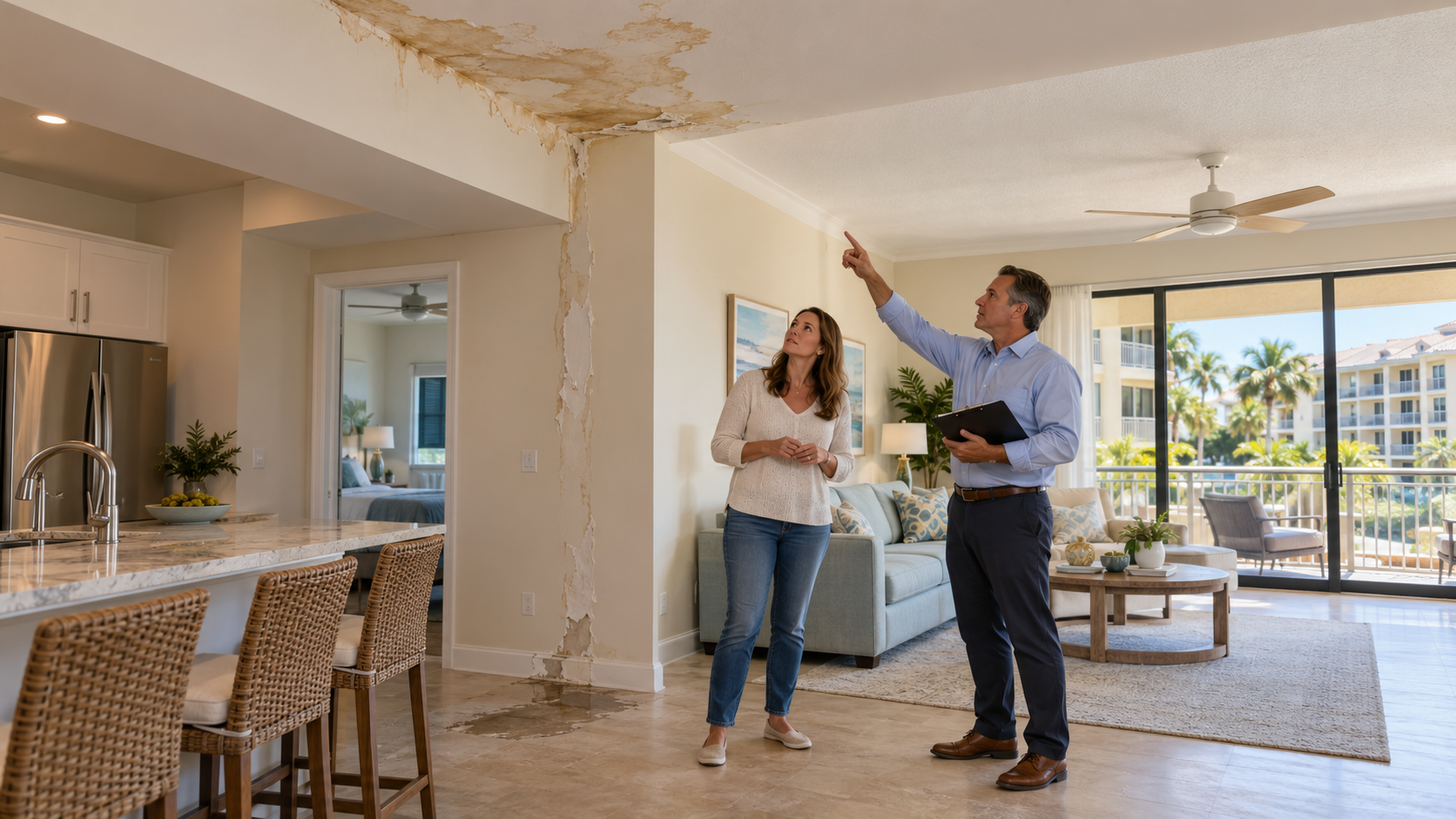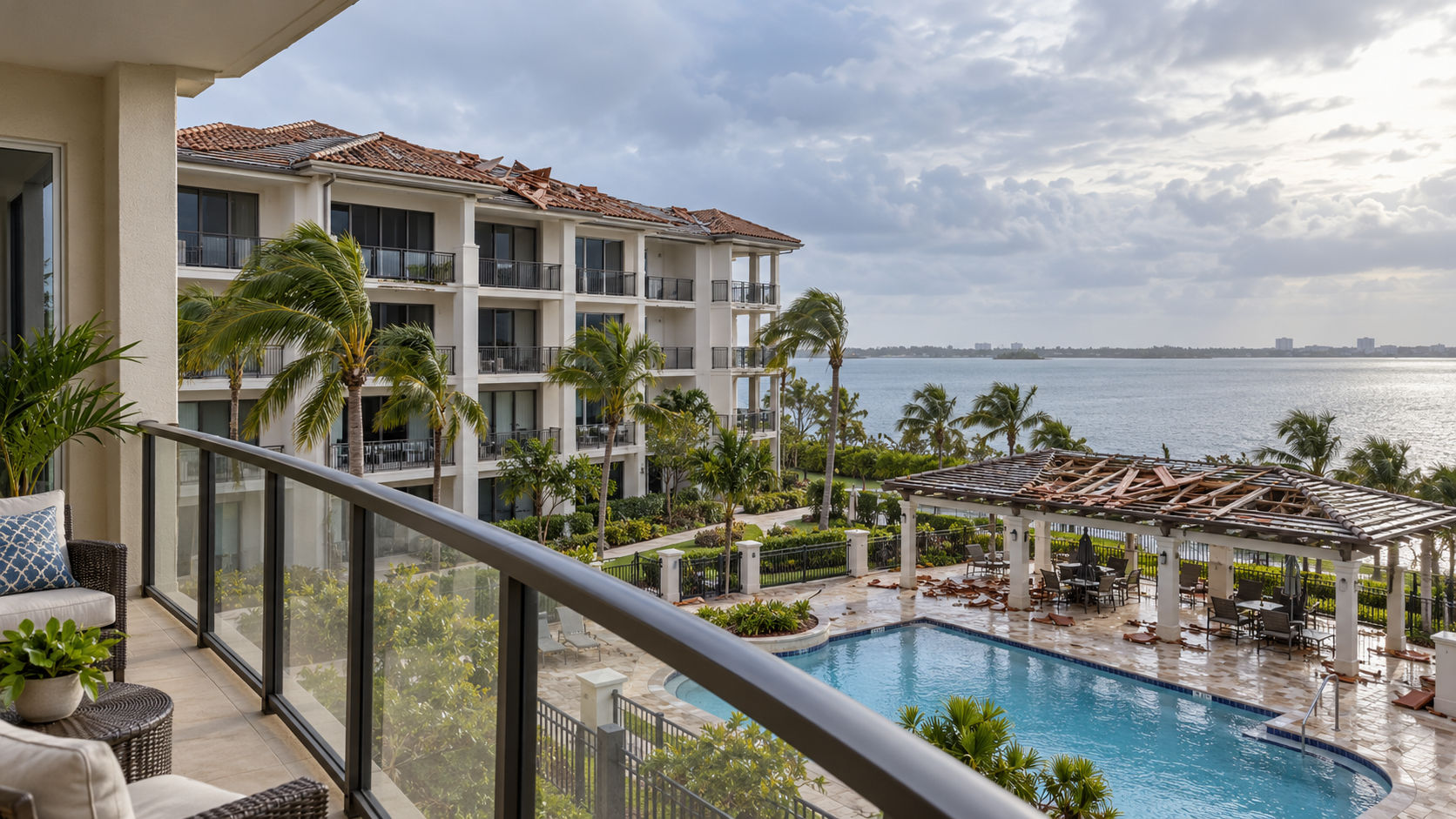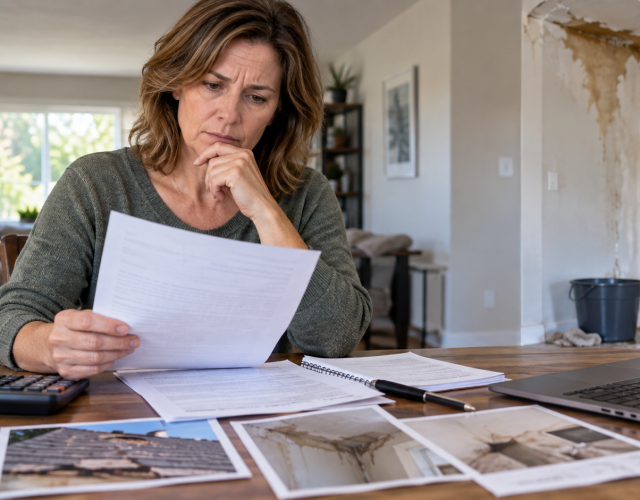
Receiving an insurance payment can feel like progress after property damage, but that feeling changes quickly when the amount does not match the repairs your property appears to need. If the insurance settlement is too low, do not focus only on the final dollar amount. Start by understanding how the insurer calculated it, what damage was included, what may have been omitted, and what documentation supports the loss.
At piccfla.com, we help Florida property owners review underpaid property insurance claims from the policyholder’s side. Our work can include inspecting damage, reviewing claim information and estimates, preparing supporting documentation, communicating about the claim, and negotiating based on the documented loss.
A low insurance claim payout does not automatically mean the claim is finished. Depending on the policy, payment documents, claim status, and facts of the loss, further review may still be appropriate.
What Should You Do First When an Insurance Settlement Seems Too Low?
Read everything that came with the payment or settlement offer. Review the insurer’s estimate, payment letter, deductible, depreciation, and any language describing whether the payment is partial, undisputed, or final. Our guide to undisputed insurance claim payments explains why receiving money does not necessarily mean every issue has been resolved.
Then compare the paperwork with the actual property damage. Ask:
- Are all damaged areas included?
- Are the measurements and quantities correct?
- Does the scope include necessary removal and replacement work?
- Was hidden or later-discovered damage omitted?
- Was depreciation identified clearly?
- Was the deductible applied correctly?
- Are documented repair expenses missing?
If you are unsure how to evaluate the line items, our guide on how to read an insurance claim estimate explains what to compare.
Why Might a Property Insurance Settlement Be Lower Than Expected?
An insurance settlement can be lower than expected because the insurer and policyholder may have different evaluations of repair scope, quantities, pricing, depreciation, or the extent of damage. Some damage may also become clearer only after the first inspection or after repairs begin.
Water can move into concealed areas. Roof damage can contribute to interior moisture. Fire or smoke damage may extend beyond visibly burned materials. Our guide on what happens after an insurance adjuster inspects your home explains why the initial inspection is only one part of the claim process.
What may feel like a lowball insurance settlement should be evaluated against the policy and the available evidence. The important question is whether the payment reflects the covered damage that can be properly documented.
How Should You Document a Low Insurance Claim Payout?
If you want to challenge an insurance settlement offer, build your response around evidence rather than frustration.
Useful records may include:
- Photographs and videos
- Measurements
- Repair estimates
- Invoices and receipts
- Temporary repair records
- Inspection findings
- Claim correspondence
- Policy documents
- The insurer’s detailed estimate
- Records of damage discovered later
Keep copies of everything you send and receive. If the insurer requests a formal proof of loss, review the policy and written request carefully. Our guide on what a proof of loss is and when it is due explains why the required form and deadline can depend on the policy and circumstances.
At piccfla.com, we focus on documenting what is actually damaged, what repairs are supported, and what information should be presented for further claim evaluation.
Can You Ask for More After Receiving an Insurance Payment?
Potentially, yes. An initial or undisputed payment does not always mean the entire claim has been fully resolved.
Florida law recognizes property claim payments that are not full and final. If additional covered damage, omitted repair work, or additional costs from the same loss become known, a supplemental claim may be relevant. Our guide to supplemental insurance claims in Florida explains when additional documentation may support further evaluation.
Under current Florida law, notice of a supplemental property insurance claim generally must be provided within 18 months after the date of loss. Because deadlines can affect your claim, it is better to review a questionable or underpaid payment early rather than assume the claim can be revisited at any time.
Also review whether depreciation affected the amount. Our guide to recoverable depreciation explains why some amounts may be withheld until repair or replacement requirements are satisfied, depending on the policy.
What Can You Do If Part of the Damage Was Denied?
A claim can be paid in part while other damage is denied. If that happens, identify exactly what the insurer accepted and what it rejected. Our guide to partial denial property insurance claims explains how a partial denial differs from a complete denial.
Current Florida law generally requires the insurer to provide a reasonable written explanation for a payment, denial, or partial denial. If a claim payment is lower than the insurer’s own detailed estimate of the loss, the insurer must also provide a written explanation of the difference.
That explanation can help you identify whether the dispute involves coverage, scope, pricing, depreciation, or missing documentation.
What Options May Apply If the Amount Dispute Continues?
If the claim has been documented but the amount remains disputed, the policy and circumstances may provide other resolution options.
Could Appraisal Apply to the Amount of Loss?
The home insurance appraisal process may be relevant when the disagreement concerns the amount of a covered loss, such as repair scope, pricing, replacement cost, or valuation. Appraisal generally addresses the amount of loss rather than deciding whether coverage exists.
Could Florida Property Insurance Mediation Help?
Florida also provides mediation for certain qualifying property insurance disputes. Mediation brings the parties together with a neutral mediator to discuss the disagreement. It does not mean the mediator automatically decides the claim amount.
Our guide to Florida property insurance mediation explains when the process may apply and why supporting documentation remains important.
How Can We Help When Your Insurance Settlement Is Too Low?
At piccfla.com, we represent policyholders during the property insurance claim process. If your insurance settlement is too low, we can review the property, the insurer’s estimate, existing claim materials, policy information, and available evidence.
Our work may include inspecting and documenting damage, reviewing estimates, preparing supporting claim information, identifying areas that need further evaluation, assisting with supplemental documentation when appropriate, communicating about the claim, and negotiating from the policyholder’s perspective.
We do not assume that every estimate difference means additional money is owed. Coverage and payment depend on the policy and facts of the loss. Our role is to properly document and present the property claim.
For a deeper explanation, see our guide on what to do when a property damage insurance claim was underpaid.
What Should You Remember Before Accepting a Low Settlement Offer?
When a property insurance payment seems too low, compare the insurer’s estimate with the actual documented damage. Review deductions, depreciation, repair scope, and payment language. Keep photographs, estimates, receipts, and correspondence. Determine whether the payment is partial, undisputed, or final.
A strong response does more than say the amount is too low. It identifies the specific differences in damage, scope, quantities, pricing, depreciation, or documentation.
At piccfla.com, we can help Florida property owners evaluate those differences and present the claim from the policyholder’s perspective.
Which Organizations Support This Guidance?
Works Cited
Florida Department of Financial Services. “Mediation and Neutral Evaluation.” Division of Consumer Services, State of Florida, https://www.myfloridacfo.com/division/consumers/mediation. Accessed 16 Sept. 2026.
Florida Department of Financial Services. “Public Adjusters.” Division of Consumer Services, State of Florida, https://www.myfloridacfo.com/division/consumers/storm/public-adjusters. Accessed 16 Sept. 2026.
Florida Legislature. “Insurer’s Duty to Acknowledge Communications Regarding Claims; Investigation.” The 2026 Florida Statutes, sec. 627.70131, https://www.leg.state.fl.us/Statutes/. Accessed 16 Sept. 2026.
Florida Legislature. “Notice of Property Insurance Claim.” The 2026 Florida Statutes, sec. 627.70132, https://www.leg.state.fl.us/Statutes/. Accessed 16 Sept. 2026.