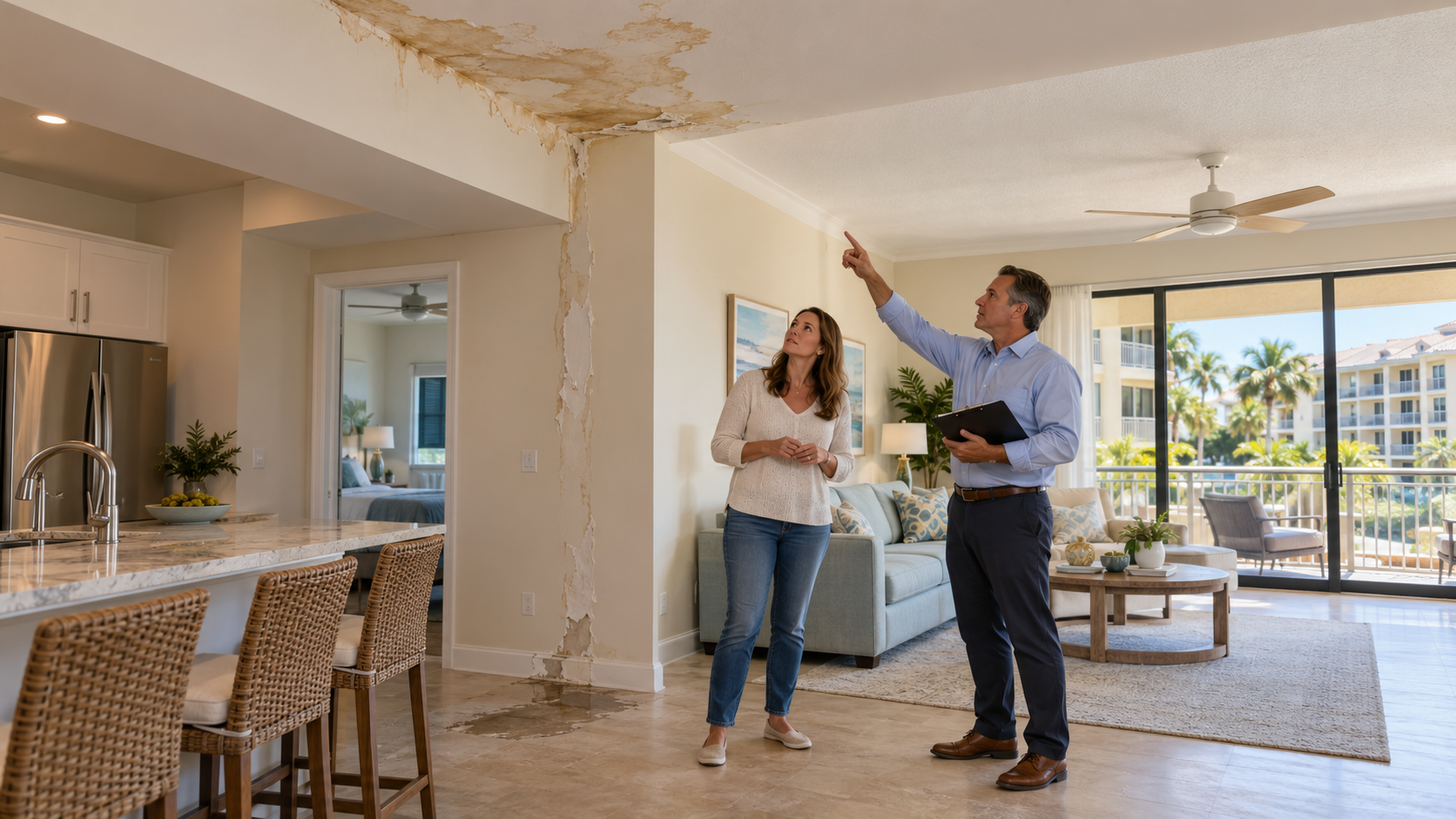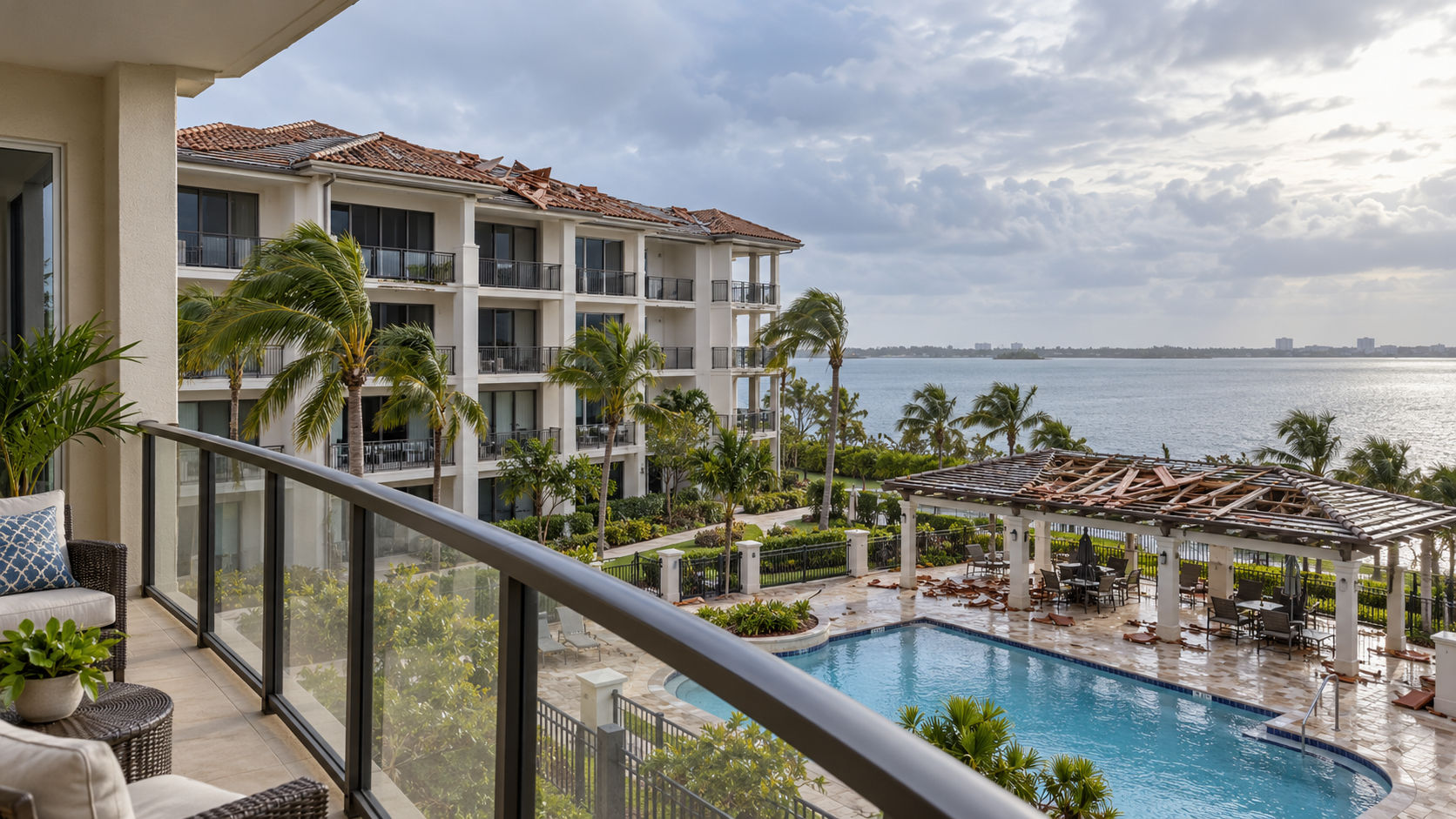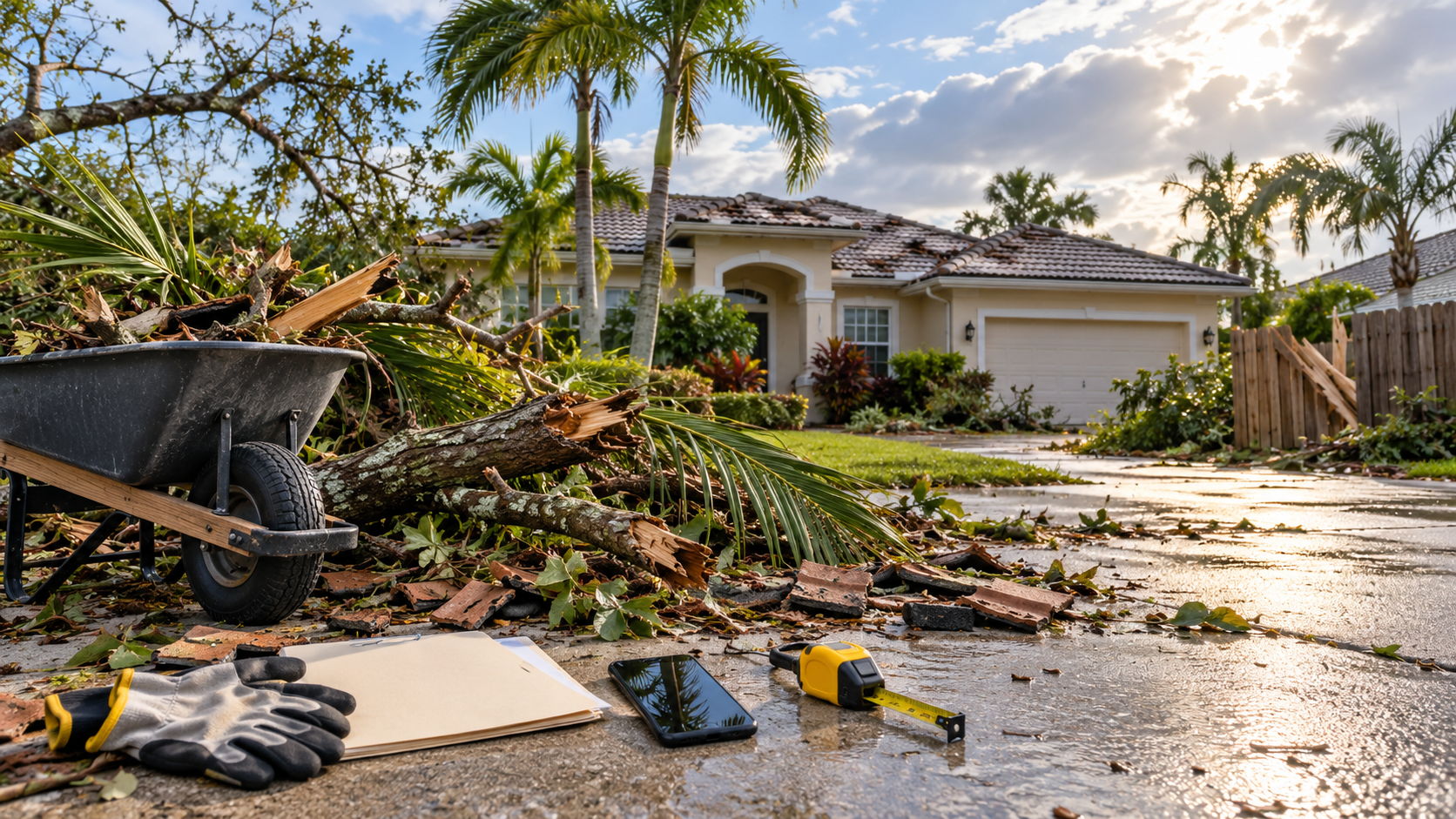
When water enters your home or commercial property, stopping the damage is usually one of the first priorities. Removing standing water, drying affected areas, and preventing moisture from spreading can help protect the property while the insurance claim is being evaluated.
But which of those expenses can actually be included in a water mitigation insurance claim?
At PICC, we help Florida property owners document, assess, present, and negotiate property insurance claims. Water mitigation expenses may be part of a covered water damage claim when the work is reasonable, necessary, related to the covered loss, and supported by proper documentation. However, coverage is never automatic. Your policy language, the cause of the water damage, applicable limits, your deductible, and the circumstances of the loss all matter.
If you are dealing with water damage, our Florida public adjusters can help you understand the claim process and determine what documentation may be needed.
What Does Water Mitigation Mean in an Insurance Claim?
Water mitigation refers to reasonable steps taken to reduce or prevent additional property damage after a water-related loss.
For example, if a pipe breaks and water spreads across the floor, simply leaving the water in place could allow moisture to spread into walls, flooring, cabinets, and other building materials. Taking reasonable action to remove accumulated water and moisture can help limit the loss.
Our property damage claim process explains that property owners should attempt to limit further losses after damage occurs. Depending on the situation, this can include addressing a broken pipe and arranging for accumulated water or moisture to be removed.
Mitigation is different from completing every permanent repair immediately. Its immediate purpose is to stabilize the situation and help prevent additional damage.
Which Water Mitigation Costs May Be Included in an Insurance Claim?
The exact expenses that can be included depend on the individual policy and loss. There is no universal list of mitigation expenses that every property insurance policy must pay.
When the underlying water loss is covered and the expenses comply with the policy, several categories of mitigation costs may become relevant.
Can Water Extraction Be Included in an Insurance Claim?
A water extraction insurance claim may include reasonable expenses associated with removing standing or accumulated water after a covered loss.
Water extraction can be especially important after situations such as plumbing failures or other sudden water events because water that remains inside a building may continue affecting additional areas.
PICC’s water damage insurance claim guidance discusses water-related property losses and the importance of properly documenting the damage when presenting a claim.
The important point is that an invoice alone does not establish coverage. The claim should connect the extraction work to the reported loss and document why the work was necessary.
Can Emergency Water Mitigation Be Included?
Emergency water mitigation insurance coverage can depend heavily on the specific policy.
Reasonable emergency measures may include actions taken to prevent a covered property from suffering additional damage. Depending on the circumstances, this could involve removing accumulated water, stopping an active source when safe to do so, or taking other temporary measures necessary to protect the property.
Florida insurance consumer guidance advises property owners to make necessary emergency repairs to prevent additional damage and to document those measures with photographs, videos, records, and receipts.
This is why we recommend keeping detailed records from the beginning rather than trying to reconstruct the mitigation process weeks later.
Can Drying and Dehumidification Costs Be Included?
Dry out insurance coverage may be relevant when drying is a reasonable and necessary part of responding to a covered water loss.
Removing visible standing water does not necessarily mean that all moisture has been removed. Moisture may remain in affected building materials or areas that are difficult to see.
PICC uses tools such as moisture mapping and infrared thermal imaging when evaluating property damage. Our residential insurance claims services focus on identifying and documenting damage, including hidden water intrusion.
Depending on the documented conditions and policy, drying-related expenses may be considered as part of the water damage claim.
Can Moisture Detection and Documentation Be Relevant to the Claim?
Water does not always remain in the area where the leak or other water event first becomes visible.
It can affect adjacent materials and areas that are not immediately obvious. That makes documentation particularly important.
As we explain in our guide to proving hidden water damage, we look at the cause of the water, when the damage was discovered, the physical evidence, the affected areas, and the applicable policy language.
Moisture-related documentation can help establish the extent of the affected area, but the availability of coverage still depends on the policy and circumstances.
What Documentation Should Support Water Mitigation Costs?
Strong documentation can make it easier to show what happened, what areas were affected, and why particular mitigation measures were taken.
For a water mitigation insurance claim, useful records can include:
- Photos and videos of the property before mitigation work begins, when safely possible
- Photos showing standing water and visibly affected areas
- Photos or records showing the source of the water, when identifiable
- Mitigation invoices and receipts
- Records describing the work performed
- Dates when the water loss was discovered and mitigation began
- Moisture-related documentation when available
- Communications concerning the reported insurance claim
- Estimates and other supporting claim documents
Florida consumer guidance specifically advises policyholders to document emergency repairs and retain receipts.
At PICC, documentation is a major part of our property insurance claim process. We inspect the loss, identify visible and potentially hidden damage, prepare supporting documentation, and present the documented loss during the claim process.
Why Should You Avoid Throwing Away Evidence Too Quickly?
Cleaning up quickly does not mean you should eliminate every piece of evidence before the damage can be documented.
When possible and safe, photograph or video the affected property before water removal, demolition, disposal, or other mitigation work begins.
Keep damaged materials or contents when reasonably possible until the appropriate inspection can occur. If something must be removed for safety reasons, document its condition first.
The goal is to balance two responsibilities: protecting the property from additional damage and preserving enough evidence to demonstrate the original condition of the loss.
Our guide on how to file a water insurance claim provides additional information about documenting and presenting a water-related loss.
Does Every Water Loss Qualify for Insurance Coverage?
No. The presence of water does not automatically mean the resulting damage or mitigation expenses are covered.
Coverage depends on factors such as:
- What caused the water damage
- The language of the insurance policy
- Applicable exclusions or limitations
- Whether the loss was reported according to policy requirements
- Whether mitigation expenses were reasonable and related to the loss
- Available documentation
- Applicable deductibles and coverage limits
This distinction is important when discussing emergency water mitigation insurance or dry out insurance coverage. A service may have been necessary from a property-protection standpoint, but the insurer will still evaluate whether the underlying event and claimed expenses fall within the policy.
If you are unsure about your situation, our public adjuster FAQ explains more about the types of property claims we handle and how public adjusters assist policyholders.
How Can a Public Adjuster Help With Water Mitigation Costs?
Water claims can become complicated when there is disagreement over the cause, scope of damage, mitigation expenses, or amount necessary to restore the property.
At PICC, we represent policyholders during the property insurance claim process. Our work can include inspecting property damage, reviewing policy and claim information, documenting the loss, preparing estimates and supporting information, presenting the claim, communicating about the loss, and negotiating based on the documented damage.
For a water mitigation insurance claim, that can mean reviewing whether the documentation accurately reflects the areas affected and the work performed.
We can also look beyond the first visible signs of water damage. Moisture can affect areas that are not immediately obvious, which is why documenting the complete scope of the loss matters.
If your water damage claim has already been denied or underpaid, our guide on what to do when a water damage insurance claim is denied explains several next steps.
What Should You Do Immediately After Discovering Water Damage?
If it is safe to do so, focus first on protecting people and preventing additional property damage.
A practical sequence is to:
- Document the visible conditions with photos and video.
- Take reasonable steps to stop additional water damage when safely possible.
- Protect belongings from further exposure.
- Arrange necessary emergency water removal or mitigation.
- Keep invoices, receipts, photographs, and work records.
- Preserve damaged property when reasonably possible for inspection.
- Review the applicable policy requirements and report the loss promptly.
- Keep records of communications related to the claim.
Florida law currently establishes deadlines for reporting property insurance claims, but your policy may also contain notice and post-loss requirements. Acting promptly helps protect both the property and the documentation supporting your claim.
If you want help reviewing a water-related property claim, you can contact PICC for a free claim review.
What Should Florida Property Owners Remember About Water Mitigation Claims?
The biggest point to remember is that mitigation and documentation should work together.
Taking reasonable steps to prevent additional damage is important, but so is creating a clear record of why those steps were necessary.
A properly documented water extraction insurance claim or request for dry out insurance coverage should help establish:
- What happened
- When it happened
- What areas were affected
- What emergency measures were taken
- Why those measures were necessary
- What the mitigation work cost
- How the expenses relate to the reported property loss
At PICC, we help property owners build a documented picture of the loss rather than relying only on the most obvious visible damage. If you have experienced water damage in Florida, contact us so we can review the circumstances of your claim and help you understand the next steps.
What Organizations Support This Water Mitigation Claim Guidance?
Florida Department of Financial Services. “Homeowners Insurance Overview.” Consumer Services, Florida Department of Financial Services.
Florida Department of Financial Services. “Protect.” Office of the Insurance Consumer Advocate, Florida Department of Financial Services.
Florida Department of Financial Services. “Assignment of Benefits (AOB).” Consumer Services, Florida Department of Financial Services.
Florida Legislature. “Florida Statutes, Section 627.70132: Notice of Property Insurance Claim.” Florida Statutes, 2026.