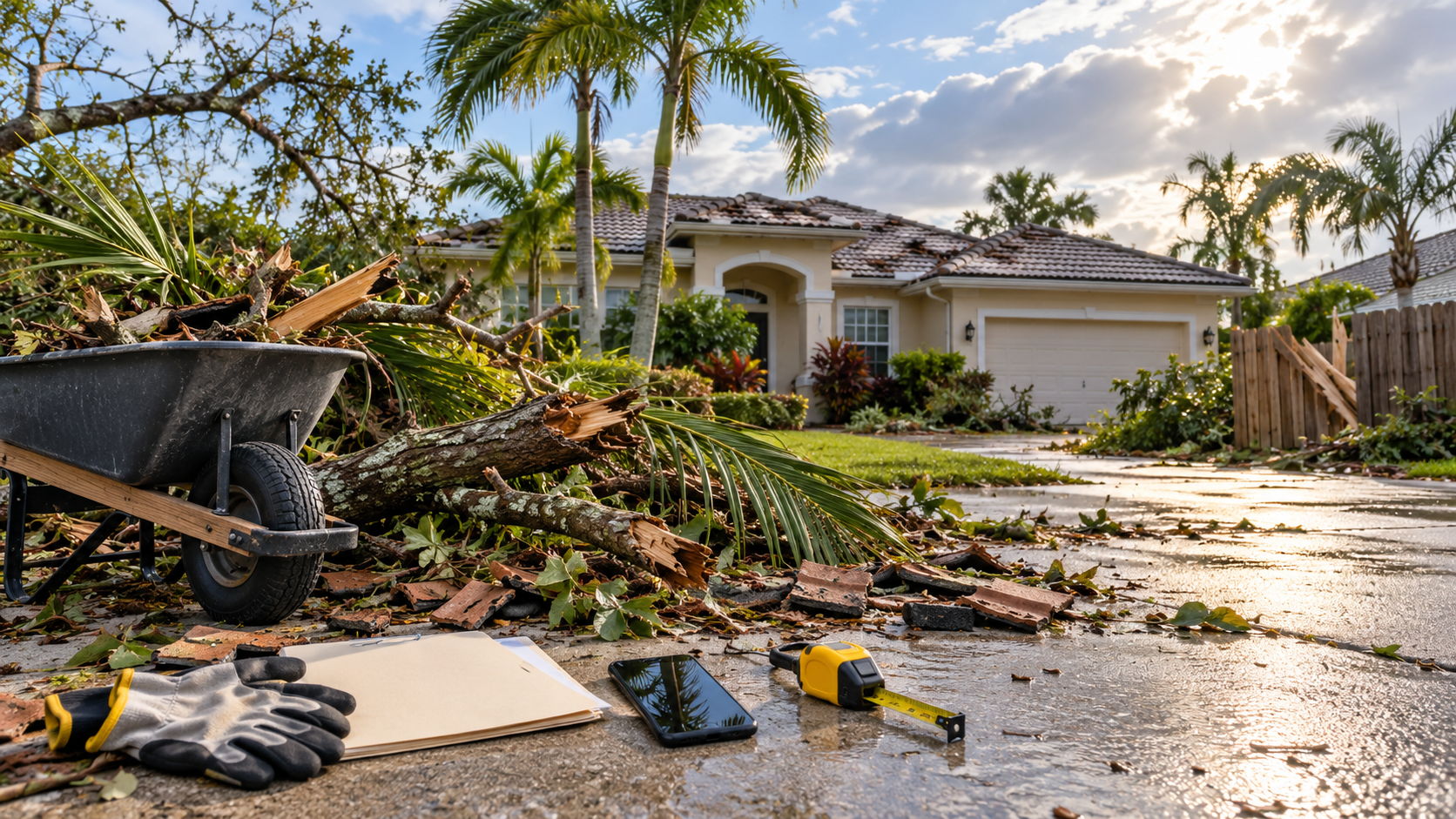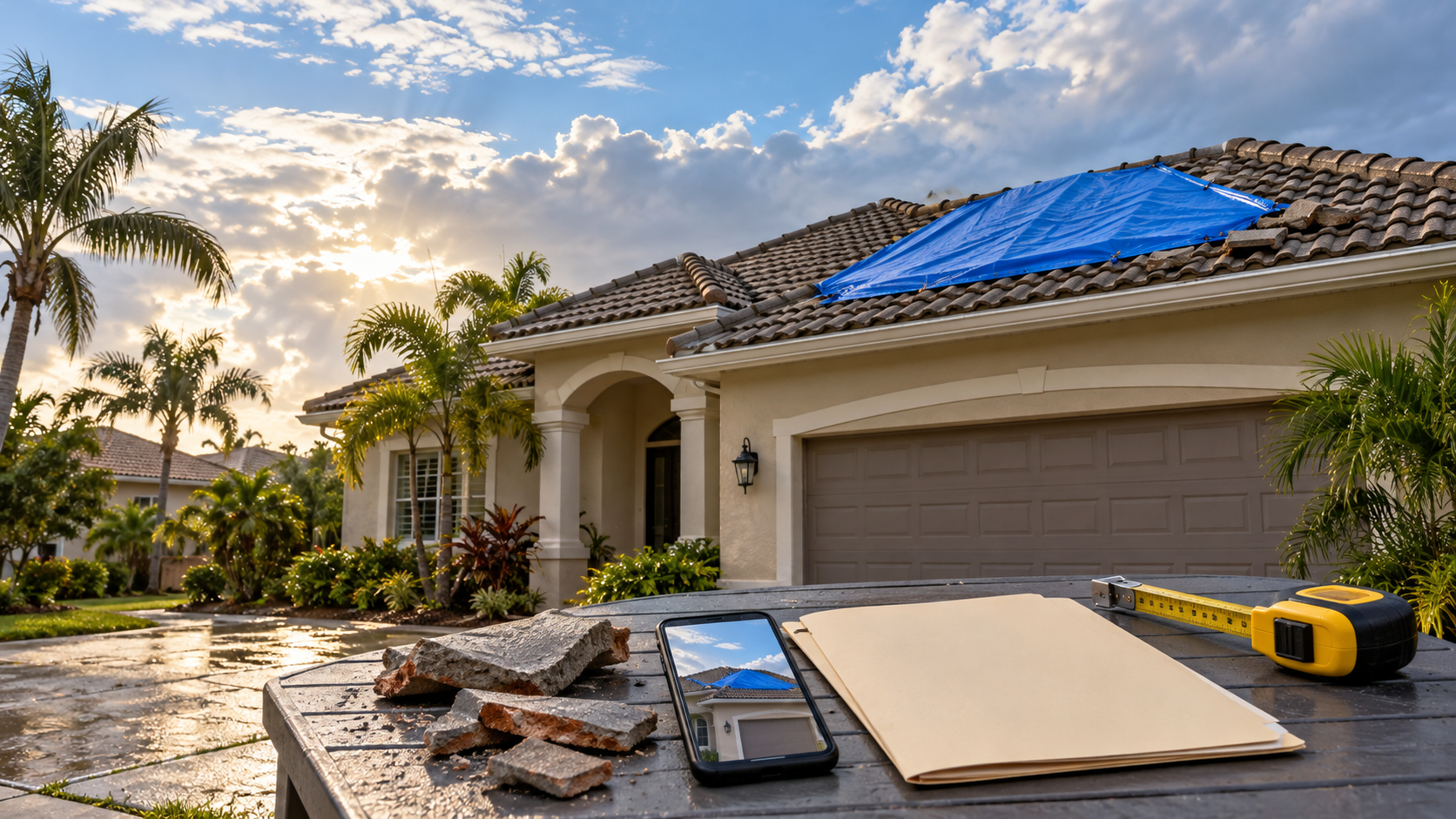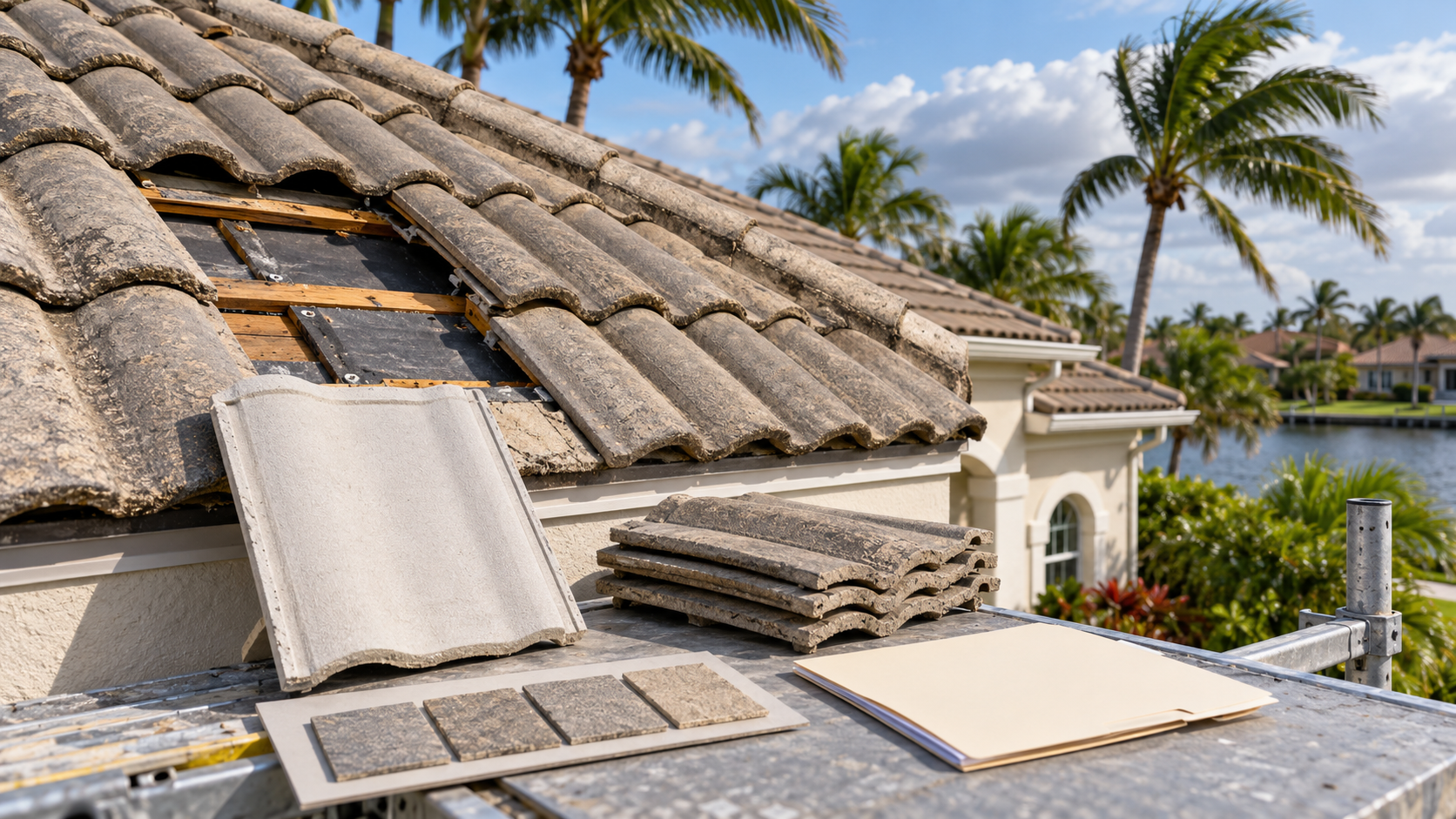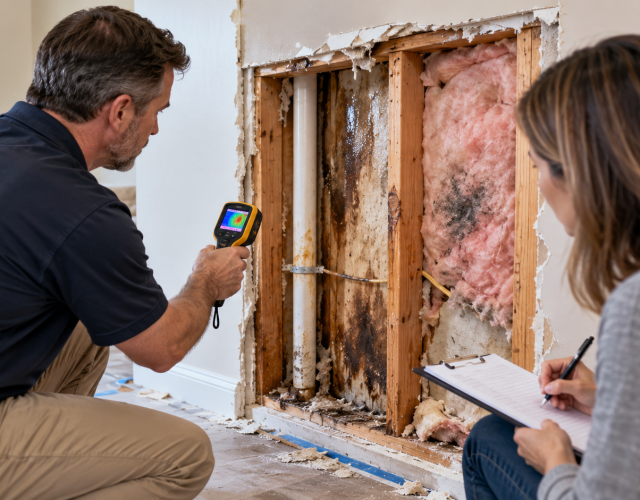
Hidden water damage can be difficult to deal with because the most serious problems are not always visible when you first discover the loss. A ceiling stain may seem minor, but moisture could have reached insulation, drywall, flooring, cabinets, or other concealed areas. A leaking pipe may stop dripping, while water remains trapped behind a wall.
So, how do you prove hidden water damage in an insurance claim?
At PICC FLA, we focus on documenting the full extent of property damage, including damage that may have been missed during an initial inspection. Proving hidden water damage generally requires connecting the concealed damage to the reported loss and supporting that connection with detailed inspections, photographs, videos, estimates, repair findings, and other available documentation.
A strong hidden water damage insurance claim is not based on assumptions. It is built around evidence showing what happened, where the water traveled, what property was affected, and what repairs are reasonably associated with the documented loss.
If you have discovered water damage in your home, our water damage claim services can help you understand how the damage should be inspected and documented.
What Is Hidden Water Damage in an Insurance Claim?
Hidden water damage is water-related property damage that is not readily visible during a basic inspection.
Water does not necessarily remain in the area where it first appears. Depending on the source and construction of the property, moisture may affect areas such as:
- Wall cavities
- Drywall
- Insulation
- Flooring
- Areas beneath flooring
- Ceilings
- Cabinets
- Structural materials
- Areas surrounding plumbing
- Other concealed building materials
PICC FLA specifically notes that water intrusion can spread behind walls, beneath flooring systems, and inside insulation. Hidden damage can therefore become an important issue when the initial insurance inspection focuses primarily on what is immediately visible.
This is one reason our property insurance claim process includes inspecting a property and working to identify all damage associated with the loss, including hidden damage.
Why Is Hidden Water Damage Harder to Prove?
Visible damage can often be photographed immediately. Hidden damage requires more context.
Imagine that a pipe releases water inside a wall. You may first notice a stain, bubbling paint, an unusual odor, damaged flooring, or another symptom. Those visible signs can indicate a problem, but they may not show the entire scope of the damage.
The insurance claim therefore needs to establish more than the existence of a stain.
Important questions may include:
- What caused the water intrusion?
- When was the loss discovered?
- Where did the water originate?
- Which areas were visibly affected?
- Which concealed areas were affected?
- What documentation supports the damage?
- What repairs are required?
- Is the cause of loss covered under the policy?
At PICC FLA, we approach property claims by examining both the physical damage and the policy. Our claim process includes reviewing relevant policy provisions, documenting property damage, preparing claim information, and presenting the claim for review.
How Can You Document Hidden Water Damage for an Insurance Claim?
Documentation is one of the most important parts of proving a loss.
Florida consumer guidance recommends photographing damage, keeping repair receipts, making an inventory of damaged items, and preserving damaged property for inspection unless the insurance company approves disposal.
For a hidden water loss, documentation can help establish how the visible and concealed damage relate to the same event.
What Photos and Videos Should You Take?
Photograph and record the property as soon as reasonably possible after discovering the damage.
Do not focus only on close-up pictures of a wet spot.
Try to document:
- The suspected source of the water
- The room where damage occurred
- Stains or discoloration
- Damaged walls or ceilings
- Warped or damaged flooring
- Affected cabinets or fixtures
- Visible plumbing failures
- Water accumulation
- Damaged belongings
- Newly exposed damage discovered during repairs
- The relationship between damaged areas
Wide-angle photographs can establish where the damage is located, while closer photographs can document specific conditions.
Keep the original files when possible so you maintain a clear record of what was observed.
What Records Should You Keep?
A hidden moisture insurance claim may involve information collected at different stages.
Keep relevant records together, including:
- Photographs and videos
- Repair estimates
- Invoices
- Receipts
- Inspection documentation
- Remediation records
- Communications regarding the claim
- Lists of damaged property
- Documents identifying the source of the loss
- Insurance estimates and claim correspondence
PICC FLA’s claim process specifically identifies photos, videos, receipts, inventories, and other supporting documents as useful parts of documenting property damage.
How Can Water Damage Behind Walls Be Documented?
Water damage behind walls insurance claims can be particularly challenging because the affected materials may not be visible until an inspection or repair process reveals them.
A visible stain does not necessarily establish how far water traveled.
For example, water entering a wall cavity may potentially affect drywall, insulation, adjacent flooring, or other materials. The extent of the damage depends on the circumstances of the loss.
PICC FLA’s guidance on denied claims specifically notes that water intrusion from an AC overflow, broken pipe, or roof leak may spread behind walls, beneath flooring systems, or inside insulation.
When previously concealed damage becomes visible, document it before the area is repaired whenever reasonably possible.
That may include:
- Photographs showing the newly exposed area
- Videos showing the location of the damage
- Documentation showing its relationship to the original water source
- Updated estimates
- Repair findings
- Records of materials requiring repair or replacement
This evidence can help demonstrate that the newly discovered damage is part of the reported property loss rather than an unrelated condition.
Why Does the Cause of the Water Damage Matter?
Finding hidden moisture does not automatically establish insurance coverage.
The cause of the water loss matters.
PICC FLA explains that homeowners insurance coverage for water damage varies by policy. Water losses may involve broken pipes, roof leaks, appliance failures, sewer backups, flooding, and other causes, but the applicable coverage depends on the policy and circumstances.
That is why we review policy provisions as part of the property damage claim process.
Relevant policy information can include:
- Coverage provisions
- Limits
- Deductibles
- Conditions
- Exclusions
- Endorsements
- Duties after a loss
The goal is to determine how the documented facts of the loss relate to the actual insurance policy.
What Does Concealed Water Damage Coverage Mean?
Concealed water damage coverage is not something we assume simply because water is found behind a wall or beneath a floor.
Coverage must be evaluated under the actual policy.
The location of the damage and the cause of the damage are separate questions. A loss can be hidden physically while still requiring a policy review to determine whether the underlying cause and resulting damage fall within available coverage.
This distinction is important.
Instead of saying, “The water was hidden, so it must be covered,” we look at questions such as:
- What caused the water to enter the property?
- When was the damage discovered?
- What physical evidence supports the loss?
- What areas were affected?
- What does the policy say about the reported cause?
- Are there applicable limitations or exclusions?
This evidence-based approach helps keep the claim focused on documented property conditions and applicable policy language.
What Should You Do When You First Discover Hidden Water Damage?
Once you discover water damage, take reasonable steps to stop additional damage when it is safe to do so.
PICC FLA’s property insurance claim guidance explains that this can include stopping a continuing plumbing leak, protecting exposed areas, or arranging for accumulated water and moisture to be removed.
Florida consumer guidance also advises policyholders to make emergency or temporary repairs when necessary, photograph the damage, preserve damaged items for inspection, and save repair receipts.
Your first steps may include:
- Identify the source when possible. Determine where the water appears to be coming from without creating additional property damage or putting yourself at risk.
- Take photos and videos. Document the property before significant cleanup or permanent repairs whenever circumstances allow.
- Prevent additional damage. Take reasonable emergency measures to stop continuing water intrusion.
- Keep damaged materials when appropriate. Do not discard evidence before the insurer has had an appropriate opportunity to inspect it unless disposal is necessary for safety or has been authorized.
- Save your records. Keep receipts, estimates, invoices, photographs, and claim correspondence.
- Review your policy. Coverage depends on the policy and cause of loss.
- Document newly discovered damage. If additional damage becomes visible later, create a record of what was found.
What Happens If Hidden Damage Is Found After the Insurance Inspection?
This is an important situation because concealed damage may not become visible during the first inspection.
PICC FLA’s guidance on denied claims notes that additional or secondary damage can sometimes emerge after the original evaluation. For example, demolition or repair work may reveal trapped water or other damage that was not visible during the initial inspection.
When that happens, the newly discovered conditions should be documented carefully.
Do not assume that the first estimate necessarily represents every documented repair associated with the loss.
Depending on the circumstances, additional information may need to be submitted for consideration as part of the existing claim. Florida law defines a supplemental claim as a claim for additional loss or damage from the same peril that was previously adjusted, or for certain additional costs incurred during repairs or replacement.
The important point is to establish the connection between the newly discovered damage and the original loss.
What Can You Do If Hidden Water Damage Was Missed or Underpaid?
Sometimes an insurance inspection identifies part of the loss but not everything.
If the payment does not appear to account for documented hidden damage, compare the insurer’s evaluation with the actual property conditions and available evidence.
Our guide to partial denial insurance claims explains how an insurer may accept coverage for one portion of a property claim while denying another portion.
Similarly, if a claim is taking a long time and newly discovered damage needs to be documented, our guide explaining why a home insurance claim may be delayed outlines situations in which a professional review may be helpful.
The focus should remain on specific differences, such as:
- Damage that was not included
- Areas that were not inspected
- Newly discovered damage
- Repair items that were omitted
- Differences in the documented scope
- Additional supporting evidence
These details provide a clearer basis for reviewing the claim than simply stating that the original payment is too low.
What Should You Do If a Hidden Water Damage Claim Is Denied?
Start with the written explanation for the denial.
Our guide explaining what to do when a homeowners insurance claim is denied recommends reviewing the stated reason for denial, the referenced policy language, the documented property conditions, and supporting evidence.
A water damage claim may involve disagreements about the cause of loss, timing, maintenance, exclusions, or the extent of the damage.
If you receive a denial, review:
- The denial letter
- Referenced policy provisions
- Photographs and videos
- Inspection findings
- Repair estimates
- The stated cause of loss
- Areas included or excluded from the evaluation
- Newly discovered damage
Our guide on how to read a home insurance claim denial letter also explains why a denial should be considered alongside the policy, inspection findings, estimates, correspondence, and actual property conditions.
How Can We Help Prove Hidden Water Damage?
At PICC FLA, we represent policyholders during the property insurance claim process.
Our documented services include inspecting property damage, reviewing policy and claim information, preparing estimates and supporting documentation, presenting claim information, communicating regarding the claim, and negotiating based on the documented loss.
Our own property insurance claim process specifically includes looking for hidden damage that may otherwise be missed during an inspection.
For a hidden water damage insurance claim, that means our focus is not limited to the first stain you can see. We work to document the actual property conditions and build a detailed picture of the loss.
If hidden water damage has been discovered before, during, or after your insurance claim, you can contact PICC FLA for a free claim review.
What Organizations Support This Claim Guidance?
Florida Department of Financial Services. Consumer Services: Public Adjusters. Florida Department of Financial Services. The department explains that licensed public adjusters represent policyholders by adjusting and presenting claims to insurance companies and are subject to state requirements.
Florida Department of Financial Services. Consumer Guides. Division of Consumer Services. Florida consumer guidance recommends documenting property damage, taking photographs, preserving damaged property for inspection, making necessary temporary repairs, and keeping receipts and claim records.
Florida Legislature. Florida Statutes, Section 627.70132, Notice of Property Insurance Claim. 2026. Florida law defines reopened and supplemental property claims and establishes notice requirements that may apply when additional loss or damage is identified.
Florida Legislature. Florida Statutes, Section 626.8797, Proof of Loss; Fraud Statement. 2026. Florida law requires proof-of-loss statements to include a warning concerning false, incomplete, or misleading material information, reinforcing the importance of accurate claim documentation.