After a hurricane, water inside your home does not automatically mean you have flood damage. A storm can damage a roof, break a window, tear away exterior materials, or create another opening that allows rain to enter. At the same time, storm surge, overflowing waterways, and rapidly accumulating surface water can cause a separate type of loss classified as flooding.
Understanding the difference matters because wind and flood losses can be treated differently under insurance policies.
At PICC FLA, we help Florida property owners document and assess hurricane, wind, flood, roof, and water damage claims. When a hurricane causes several types of damage at once, we focus on identifying how the damage occurred and documenting the full scope of the loss before the claim is presented.
What Is the Main Difference Between Wind Damage and Flood Damage?
The simplest distinction is the source and path of the damage.
Wind damage generally begins when strong winds directly damage the building or create an opening in it. Examples can include damaged roofing, broken windows, damaged siding, debris impact, and rain entering through storm-created openings.
Flood damage generally involves water rising, accumulating, or moving across normally dry ground before entering the building.
The National Flood Insurance Program defines a flood as a general and temporary condition in which two or more acres of normally dry land or two or more properties, including the policyholder’s property, are partially or completely inundated by certain types of water events. These include overflowing inland or tidal waters and unusual and rapid accumulation or runoff of surface water.
That definition makes the direction of the water particularly important.
Water entering from above through hurricane damage can point toward a wind-related loss.
Water entering from ground level because outside water is rising or accumulating can point toward flooding.
However, hurricane losses are not always simple. A property may sustain both wind and flood damage during the same storm.
How Can You Recognize Wind Damage After a Hurricane?
Wind damage often leaves evidence on the upper and exterior portions of a building.
At PICC FLA, our wind damage claim services address losses involving roofs, siding, structural components, wind-driven rain, broken seals, and related interior damage.
Possible signs of wind damage include:
- Missing, lifted, cracked, or displaced roofing materials
- Damaged flashing or roof components
- Torn or damaged siding
- Broken windows or doors
- Damage caused by airborne debris
- Openings in the building envelope
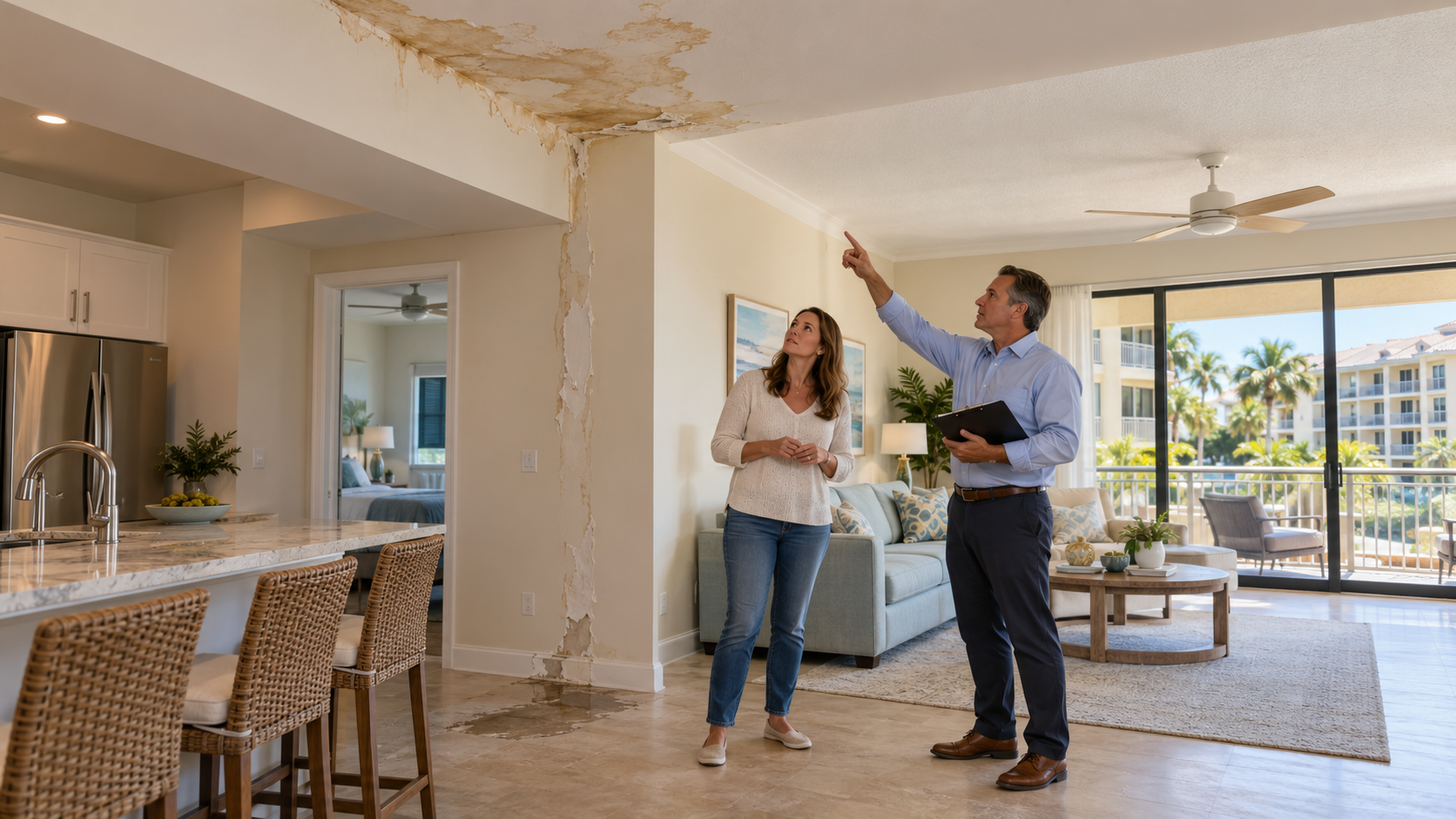
- Interior water stains below a damaged roof
- Water intrusion around damaged windows or exterior openings
- Structural damage caused by high winds
Our roof damage claim services also address storm and hurricane damage, roof leaks and water damage, hail and wind damage, and damage caused by fallen debris.
The location and pattern of the damage can help determine what happened.
For example, if hurricane winds damage roofing materials and rain subsequently enters through that damaged area, the evidence may point to a different cause than water that rose several feet from the ground.
How Can You Recognize Flood Damage After a Hurricane?
Flood damage usually begins at or near ground level.
During hurricanes, flooding may result from storm surge, overflowing waterways, heavy rainfall, or rapidly accumulating surface water. Our flood damage claim services address flood losses affecting residential and commercial properties throughout Florida.
Possible indicators include:
- Standing water surrounding the property
- Water entering through doors or other low-level openings
- Waterlines on exterior or interior walls
- Mud, sediment, or debris left behind after water recedes
- Damage concentrated near the lower portions of walls
- Warped or damaged flooring
- Moisture affecting lower cabinets and baseboards
- Multiple neighboring properties experiencing similar rising water
Floodwater can also affect electrical systems, HVAC components, flooring, walls, personal property, and structural materials.
The key question is not simply, “Did water damage the property?”
Instead, we need to ask, “Where did the water come from, and how did it enter?”
What Is the Difference Between Wind-Driven Water and Flood Water?
This is one of the most important distinctions after a hurricane.
Wind-driven water, often called wind-driven rain, generally refers to rain pushed by strong winds into or through a structure. It may enter through a damaged roof, window, door, seal, or another opening.
Flood water generally rises or accumulates outside the structure before entering from ground level or another low point.
Consider two examples.
If hurricane winds damage part of a roof and rain enters through the resulting opening, the cause of the interior water damage may be connected to the wind event.
If storm surge rises around the house and enters through the front door, that is a very different path of water intrusion.
The National Flood Insurance Program specifically notes that water that seeps or leaks through insured property, including wind-driven rain, is not treated as flood damage under the Standard Flood Insurance Policy unless a covered flood is the cause of the water entering.
This wind driven water vs flood distinction is one reason the cause and sequence of events need to be carefully documented.
Why Does the Wind vs Flood Damage Insurance Distinction Matter?
The wind vs flood damage insurance distinction matters because homeowners insurance and flood insurance are not necessarily the same coverage.
PICC FLA explains on our flood damage page that standard homeowners property insurance typically excludes flooding, while flood losses may be handled under a separate flood policy, including policies governed by National Flood Insurance Program requirements.
Coverage ultimately depends on the actual policy, exclusions, endorsements, deductibles, cause of loss, and facts surrounding the damage.
That is why we do not recommend assuming that all hurricane damage belongs in one category.
A single hurricane may produce:
- Direct wind damage
- Roof damage
- Wind-driven rain
- Flooding
- Storm surge
- Interior water damage
- Debris impact
- Multiple causes affecting the same portion of the property
Our role as public adjusters is to represent the policyholder and help document, assess, prepare, and negotiate covered property damage claims.
Property owners who want to understand that process can review our property insurance claim process.
How Can You Document a Hurricane Wind vs Flood Claim?
Good documentation can be especially important in a hurricane wind vs flood claim because the property may show evidence of several causes of loss.
As soon as conditions are safe, document the property thoroughly.
Take photographs and videos showing:
- The roof and exterior
- Broken or damaged windows and doors
- Missing or displaced building materials
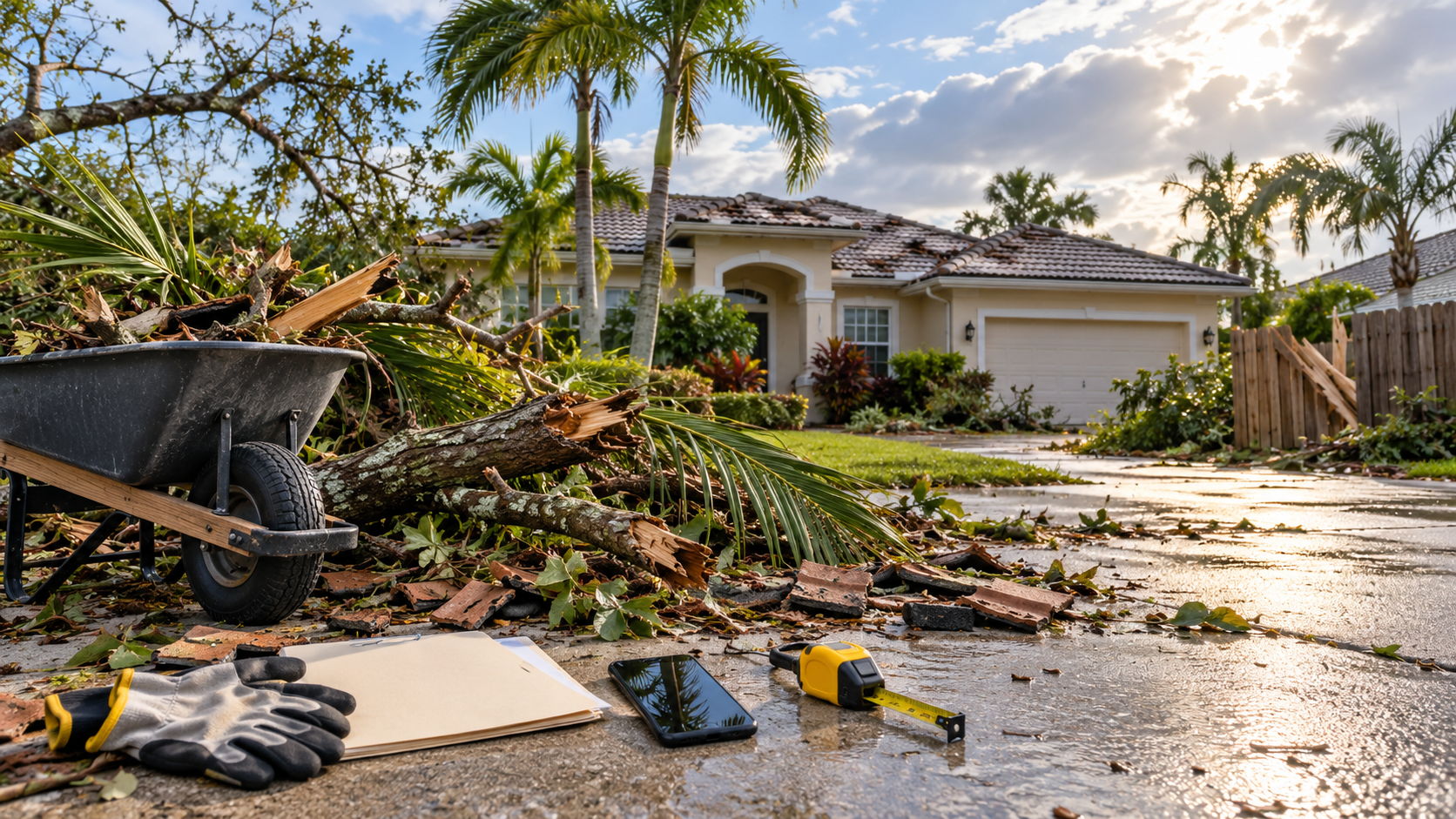
- Fallen trees or debris
- Interior ceiling and wall damage
- Waterlines
- Standing water
- Mud or sediment
- Damaged flooring and baseboards
- Damaged furniture and personal property
- The surrounding property and neighborhood
Try to document conditions before damaged materials are removed whenever it is safe and practical to do so.
PICC FLA also recommends documenting the condition of the property before a loss whenever possible. Photographs or video showing the property’s pre-storm condition can provide useful evidence when comparing conditions before and after a hurricane.
You can learn more about how we approach different losses on our property damage insurance claims page.
What Should You Do When Both Wind and Flood May Have Damaged Your Property?
Do not assume you must choose one cause before the property has been properly assessed.
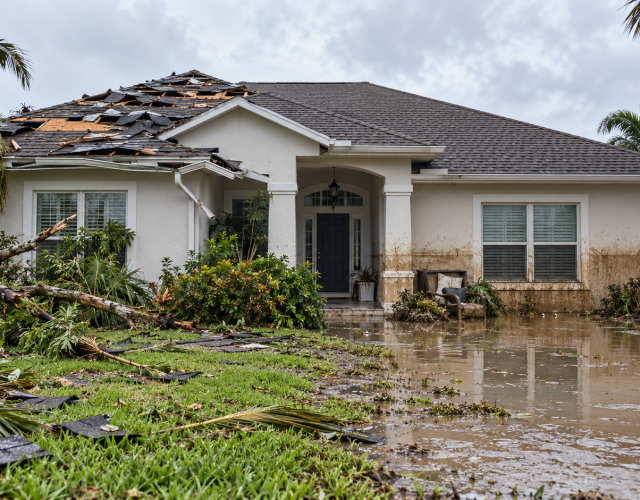
Hurricanes can cause overlapping losses. Wind may damage the roof first, rain may enter through the damaged structure, and rising floodwater may later enter from below.
That sequence can make the claim more complicated.
When we review hurricane damage, we look at the physical evidence and the circumstances surrounding the loss. Documentation can include photographs, videos, visible damage patterns, waterlines, affected building components, repair estimates, policy language, and other information relevant to the claim.
Our hurricane damage claim services are designed for Florida property owners dealing with hurricane and storm losses.
If you are unsure what type of damage occurred, avoid making assumptions about coverage before reviewing the policy and evidence.
How Can a Public Adjuster Help With Wind and Flood Damage?
A public adjuster represents the policyholder during the property insurance claim process.
At PICC FLA, we assist residential and commercial property owners with claims involving hurricanes, floods, wind, roofs, water, fire, and other property losses within our services.
Depending on the claim, our work can include:
- Reviewing the insurance policy
- Inspecting the property
- Documenting visible and concealed damage
- Identifying the scope of the loss
- Preparing claim documentation
- Reviewing estimates
- Communicating during the claims process
- Negotiating the property claim on behalf of the policyholder
Every loss is different, so coverage should be evaluated according to the individual policy and circumstances.
If you want to understand what working with a public adjuster involves, visit our public adjuster FAQs.
What Should You Do Immediately After Hurricane Damage?
Safety comes first. Do not enter areas with standing water, unstable structures, electrical hazards, or other dangerous conditions.
Once it is safe:
- Photograph and video the damage.
- Document where water appears to have entered.
- Photograph exterior conditions and visible waterlines.
- Keep damaged materials when reasonably possible until they can be documented.
- Take reasonable steps to prevent additional damage when it is safe to do so.
- Save receipts and records for emergency work.
- Review your insurance policies.
- Keep copies of claim-related communications and documents.
Most importantly, avoid guessing whether the loss is “wind” or “flood” simply because water is present.
The evidence surrounding the source and path of the water matters.
What Is the Most Important Thing to Remember After a Hurricane?
After a hurricane, the presence of water does not tell the whole story.
The homeowners insurance wind flood distinction depends heavily on what caused the damage and how the water reached the property. Rain entering through a wind-damaged roof is physically different from storm surge or accumulated surface water rising into a building from ground level.
Some properties experience both.
At PICC FLA, we help Florida property owners examine the damage, understand the claim process, document their losses, and present property claims based on the available evidence and applicable insurance coverage.
If your home or business has suffered hurricane damage, you can contact us for a claim evaluation before making assumptions about whether the damage should be classified as wind, flood, or a combination of causes.
Which Organizations Support the Information in This Guide?
Federal Emergency Management Agency. “National Flood Insurance Program Claims Manual.” Federal Emergency Management Agency, National Flood Insurance Program.
National Flood Insurance Program. “What Is a Flood?” FloodSmart.gov, Federal Emergency Management Agency.
National Flood Insurance Program. “What Is a Flood?” NFIP for Agents, Federal Emergency Management Agency.