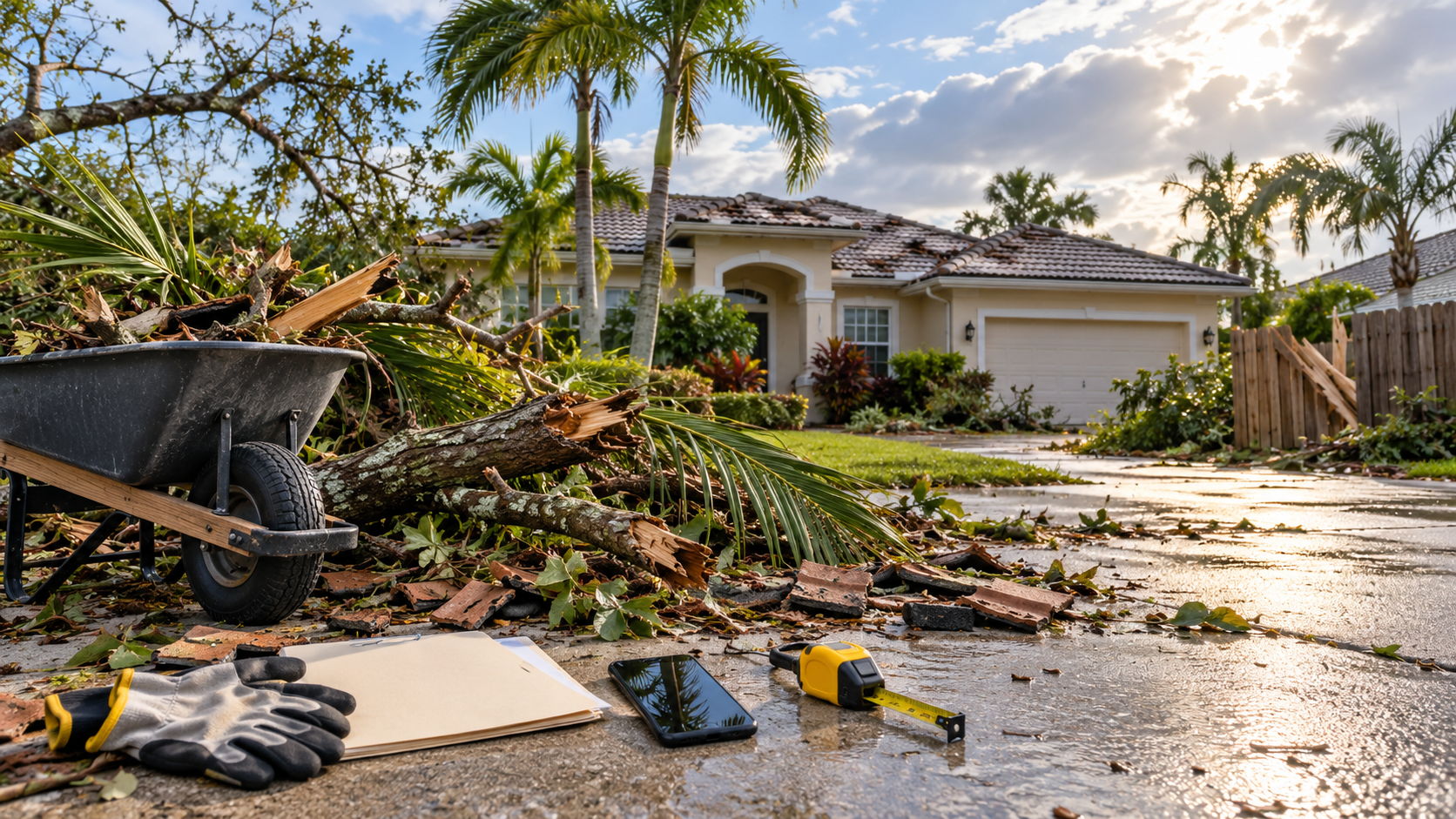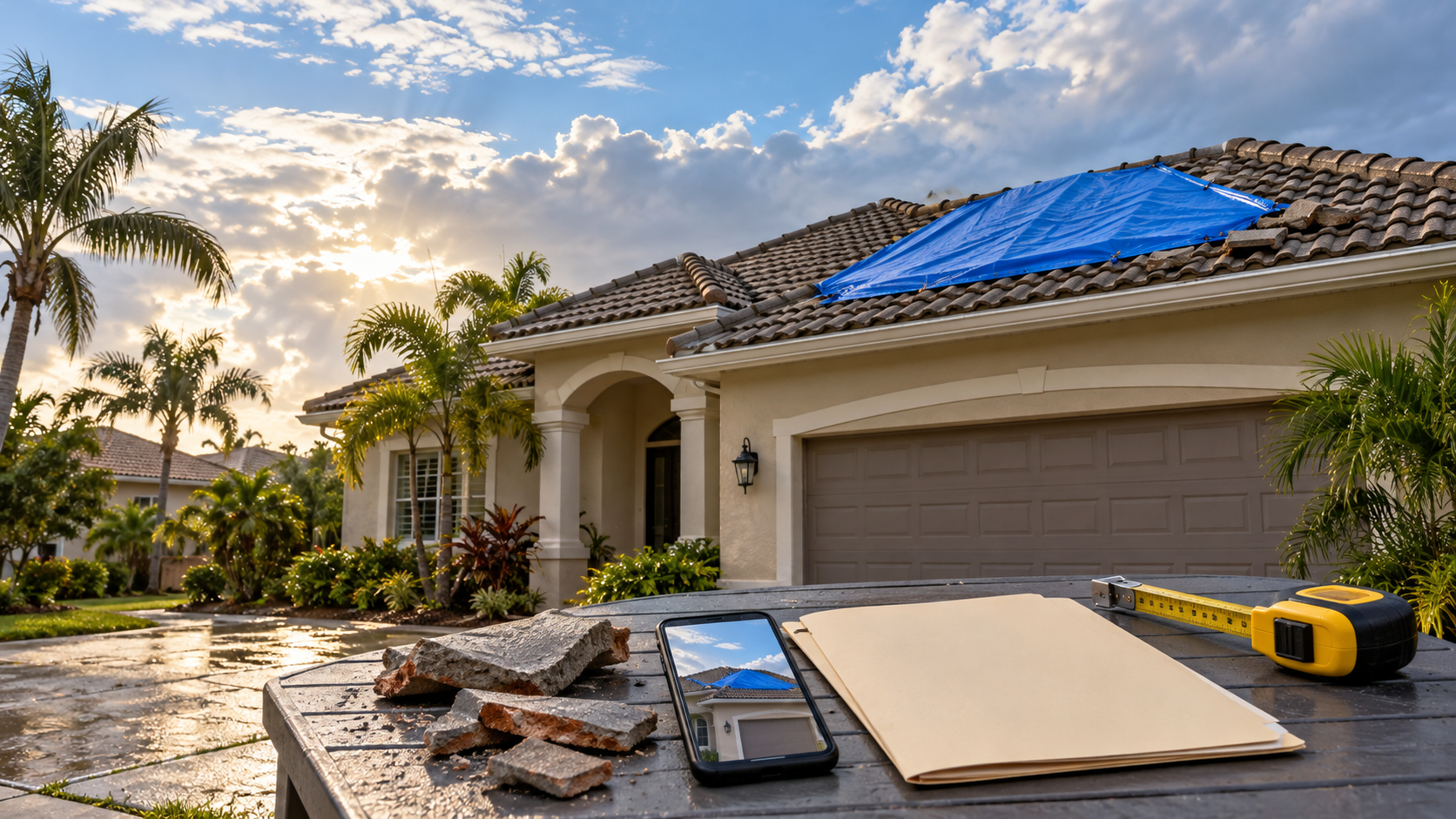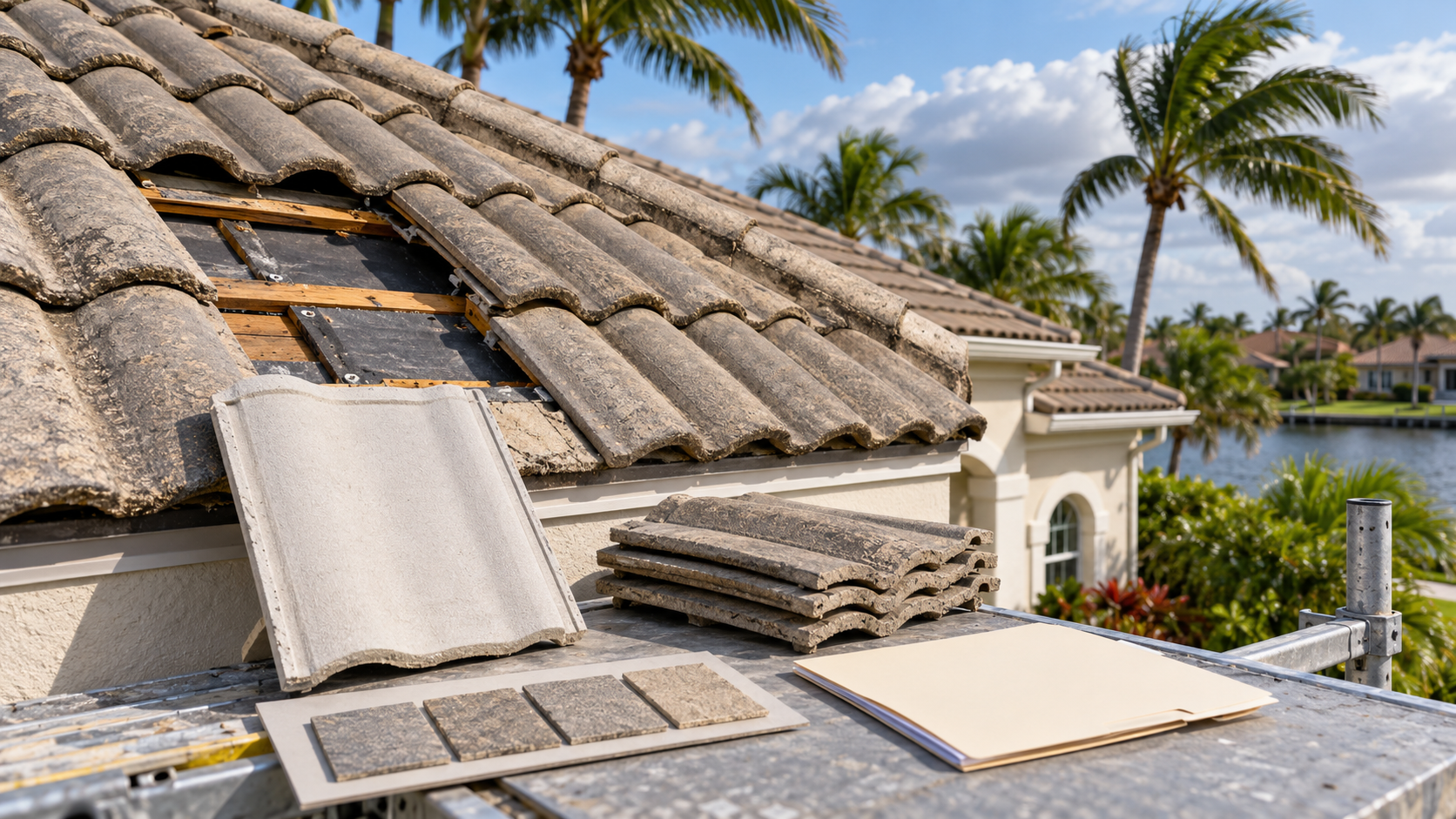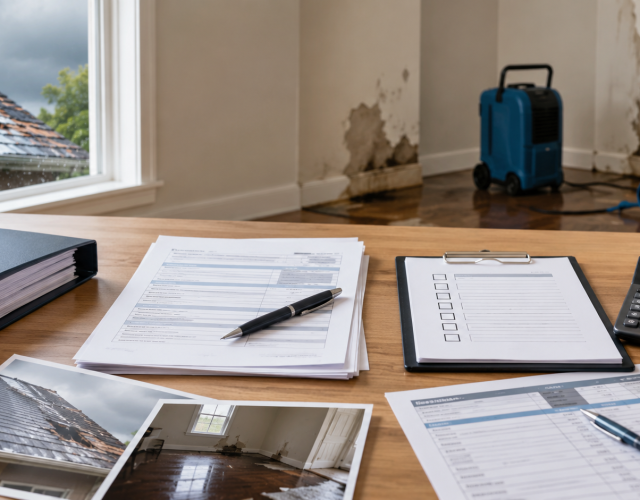
Receiving an insurance payment does not always mean every part of your property damage has been identified or fully valued. Sometimes additional damage becomes visible after repairs begin. In other situations, the original estimate may leave out necessary materials, labor, or portions of the property that were affected by the same loss.
That is where a supplemental insurance claim can become important.
At PICC FLA, we help Florida property owners understand what their insurance claim actually includes, document the extent of the loss, and address situations where additional covered damage or repair costs need to be presented to the insurance company. A supplemental claim is not automatically a new claim. It generally relates back to the same event that caused the original property loss.
Understanding when a supplement is appropriate, what evidence should support it, and how quickly you need to act can help protect your position during the property insurance claim process.
What Does a Supplemental Insurance Claim Mean in Florida?
A supplemental insurance claim is a request involving additional loss or damage connected to the same peril that was already reported and adjusted, or additional costs incurred while completing repairs or replacement under an open claim that was reported on time.
Florida law specifically recognizes supplemental claims as part of the property insurance process.
For example, imagine that storm damage affects your roof and water enters your home. The initial inspection identifies damaged roofing and a section of interior ceiling. After repairs begin, additional moisture damage is discovered behind the walls.
If that newly identified damage resulted from the same storm, it may become part of a supplemental property insurance claim, subject to your policy, coverage, documentation, and applicable deadlines.
We often remind property owners that an insurance payment or initial estimate should be reviewed carefully. PICC’s own insurance claim process explains that additional compensation may sometimes be pursued if further damage related to the initial loss is discovered.
How Is a Supplemental Claim Different From a Reopened Claim?
The terms can sound similar, but Florida law distinguishes between them.
A reopened claim is a claim that the insurer previously closed and that the insured asks to reopen for additional costs involving loss or damage that had already been disclosed.
A supplemental claim deals with additional loss or damage from the same peril that was previously adjusted, or additional costs that arise while repairs or replacement are being completed under a timely reported open claim.
That distinction matters because the circumstances and deadlines surrounding the claim may be different.
If your property claim has already been closed, our guide explaining whether a closed insurance claim can be reopened can help you better understand the issue before deciding what to do next.
When Should You Consider Filing an Insurance Claim Supplement?
An insurance claim supplement may become necessary when the information available after the original inspection shows that the amount or scope of damage is greater than what was originally documented.
Some of the most common situations we evaluate include:
- Previously hidden damage becoming visible during demolition or repairs
- A repair estimate leaving out damaged materials or areas
- Differences between the original estimate and documented repair requirements
- Additional expenses directly related to repairing the covered loss
- Damage from the same event that was not apparent during the first inspection
- Repair conditions that reveal a larger scope of damage than initially understood
PICC discusses similar issues in our guide to underpaid property damage insurance claims, where incomplete documentation and differences over the extent or cost of repairs can contribute to an underpaid claim.
What If Hidden Damage Appears During Repairs?
Hidden damage is one of the clearest reasons to review whether a supplement may be appropriate.
Property damage does not always stop at what can be seen during the first inspection. Water may travel behind drywall. Roof damage may involve components that become visible only after materials are removed. Moisture can affect areas beyond the immediately visible stain.
Our water damage claim services emphasize documenting both apparent and hidden property damage when evaluating a loss.
If additional damage is discovered, photograph and document it before the affected materials are discarded whenever safely possible.
What If the Original Estimate Missed Necessary Work?
An estimate represents an evaluation of the damage based on the information available when it was prepared. It may not necessarily reflect every item later found to be necessary.
When an estimate appears too low, we recommend reviewing quantities, damaged materials, labor, and other repair requirements carefully.
Our guide on what to do when an insurance estimate is too low explains how additional photographs, repair estimates, and supporting documentation can help identify differences between the original evaluation and the actual repair scope.
What If Repair Costs Increase After Work Begins?
Additional costs do not automatically mean the insurer must pay more. Coverage still depends on the policy, the cause of loss, the relationship between the additional expense and the covered damage, and the documentation supporting the amount requested.
However, Florida’s definition of a supplemental claim specifically includes certain costs incurred while completing repairs or replacement under an open claim for which timely notice was previously given.
That makes proper documentation especially important when actual repair conditions differ from the original estimate.
What Evidence Should Support a Supplemental Property Insurance Claim?
A strong supplemental property insurance claim should clearly show why additional payment is being requested and how the additional damage or expense connects to the original loss.
Depending on the circumstances, we may review or help organize documentation such as:
- Photographs and videos of newly discovered damage
- The insurance company’s original estimate
- Repair estimates showing omitted or additional work
- Invoices and receipts
- Records of temporary or emergency repairs
- Documentation showing when additional damage was discovered
- Communications relating to the original claim
- An itemized description of the additional damaged areas
- Relevant policy documents and coverage information
Documentation should tell a clear story. The goal is not simply to submit a larger number. The supplemental request should identify what changed, what was discovered, why the additional work relates to the original event, and how the requested amount was calculated.
Our residential insurance claims services focus heavily on inspection, documentation, policy review, and presenting property losses accurately. We use the same evidence-driven approach when reviewing whether an existing claim may require additional documentation.
How Does the Supplemental Claim Process Usually Work?
Every property claim is different, but we generally approach a potential supplement in several stages.
First, we review the original claim and applicable policy information. We need to understand what was initially reported, what the insurer inspected, what was accepted or excluded, and what amount was estimated or paid.
Second, we inspect and document the property. This helps us compare the current condition and newly discovered damage with the original claim.
Third, we identify the difference between the existing scope and the documented repair requirements.
Fourth, supporting materials are organized. These may include photographs, estimates, invoices, receipts, measurements, and other relevant records.
Finally, the supplemental information is presented to the insurance company for evaluation, and the claim can move through further adjustment and negotiation.
This follows the broader approach PICC uses for both commercial property insurance claims and residential claims, where documentation and a detailed evaluation are central to presenting the loss.
Why Does Timing Matter for a Supplemental Claim in Florida?
Timing is especially important.
Under current Florida law, notice of an initial property insurance claim generally must be provided within one year after the date of loss. For a supplemental claim, notice generally must be provided within 18 months after the date of loss, subject to the statute, policy terms, and any applicable exceptions.
This is one reason we encourage property owners not to assume that they can return to an old claim at any time.
Many people searching for supplemental claim Florida deadlines are dealing with an estimate or payment they received months earlier. The important date is not simply when you realize more money may be needed. The date of loss and the circumstances surrounding the claim can control the available time.
For weather-related events addressed by the statute, Florida law also contains rules for determining the date of loss.
If your loss involves severe weather, our hurricane and storm damage claim resources explain the importance of documenting damage, keeping claim communications, and reviewing an underpaid claim carefully.
Because deadlines can affect your rights, we recommend having a questionable or underpaid claim reviewed as early as possible.
How Can PICC Help With a Supplemental Insurance Claim?
At PICC FLA, our role is to represent the policyholder during the property insurance claim process.
Our public adjusters review property damage, examine policy information, prepare documentation and estimates, and communicate and negotiate with the insurance company on behalf of the insured. PICC provides these services for both residential and commercial property claims.
When you come to us with an existing claim, we can review what has already been documented and compare it with the actual condition of the property.
We may identify areas where:
- Damage was not fully documented
- Newly discovered damage needs evaluation
- Repair requirements differ from the original scope
- Supporting documents need to be organized
- The estimate does not reflect the documented loss
Not every difference results in additional coverage or payment. That depends on the policy and facts of the loss. Our job is to properly document and present the property claim from the policyholder’s perspective.
If an amount dispute continues after the claim has been documented, the home insurance appraisal process may also be relevant in certain circumstances, depending on the policy and nature of the disagreement.
What Should You Do Next If Your Original Claim Is Not Enough?
If the original estimate or payment does not appear to reflect the full documented damage to your property, do not assume that nothing else can be done.
Start by gathering your original estimate, payment information, photographs, repair estimates, invoices, policy documents, and any evidence of additional damage. Avoid unnecessary delays because Florida places specific time limits on supplemental property claims.
At PICC FLA, we can evaluate the existing claim, inspect the property, review the available documentation, and determine what additional information may need to be presented.
You can contact PICC FLA for a claim review if you believe damage was overlooked, the original estimate is too low, or additional covered damage became apparent after the initial adjustment. Our focus is to document your property loss carefully and help you navigate the claim process with a clearer understanding of what comes next.
Which Organizations Support This Information?
Works Cited
Florida Legislature. “Notice of Property Insurance Claim.” The Florida Statutes, sec. 627.70132, 2025. Accessed 17 Aug. 2026.
Florida Legislature. “Insurer’s Duty to Acknowledge Communications Regarding Claims; Investigation.” The Florida Statutes, sec. 627.70131, 2025. Accessed 17 Aug. 2026.
Florida Department of Financial Services. “Homeowners Insurance.” Full Coverage. Accessed 17 Aug. 2026.
Florida Department of Financial Services. “Get Insurance Help.” Division of Consumer Services. Accessed 17 Aug. 2026.