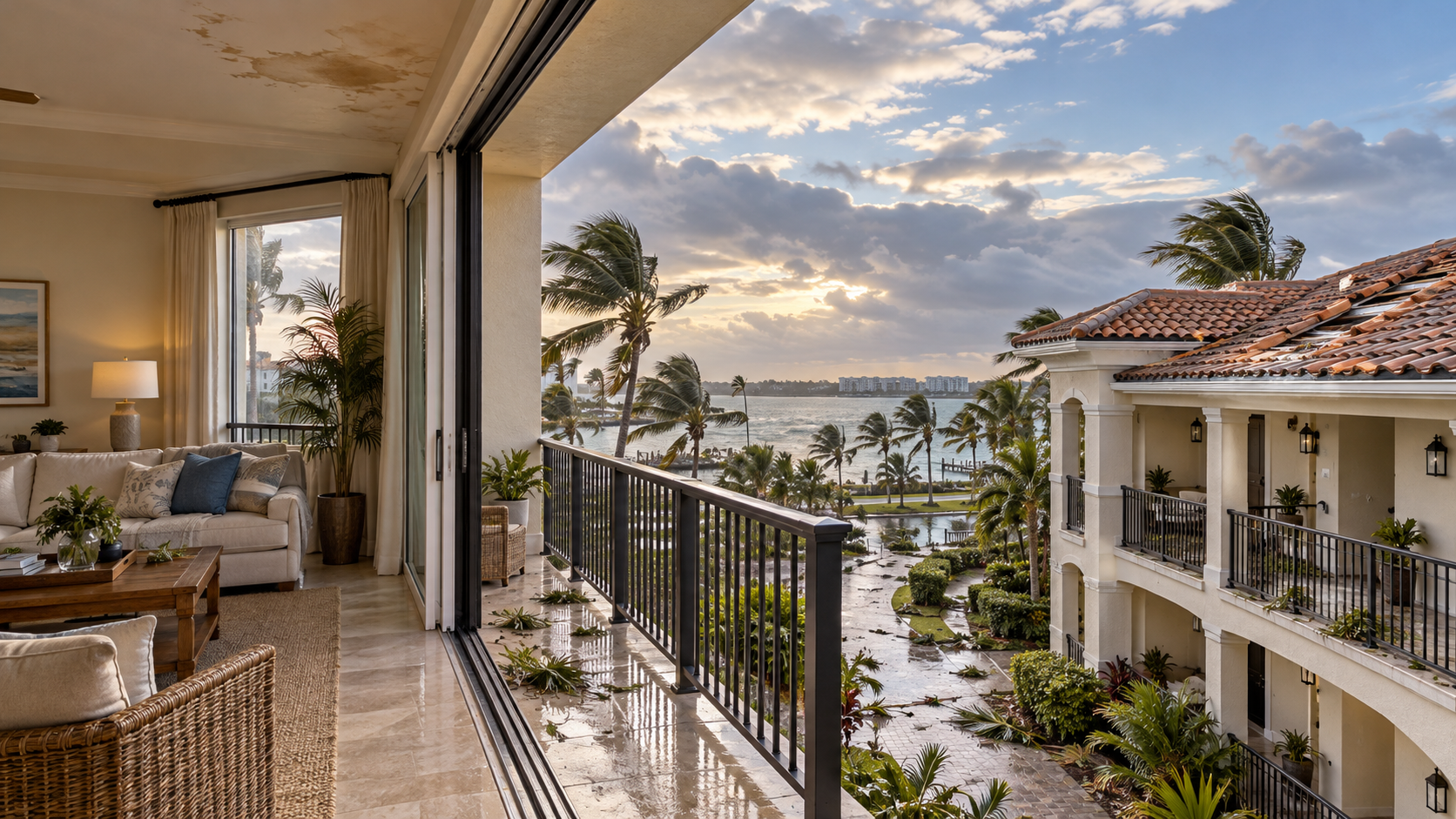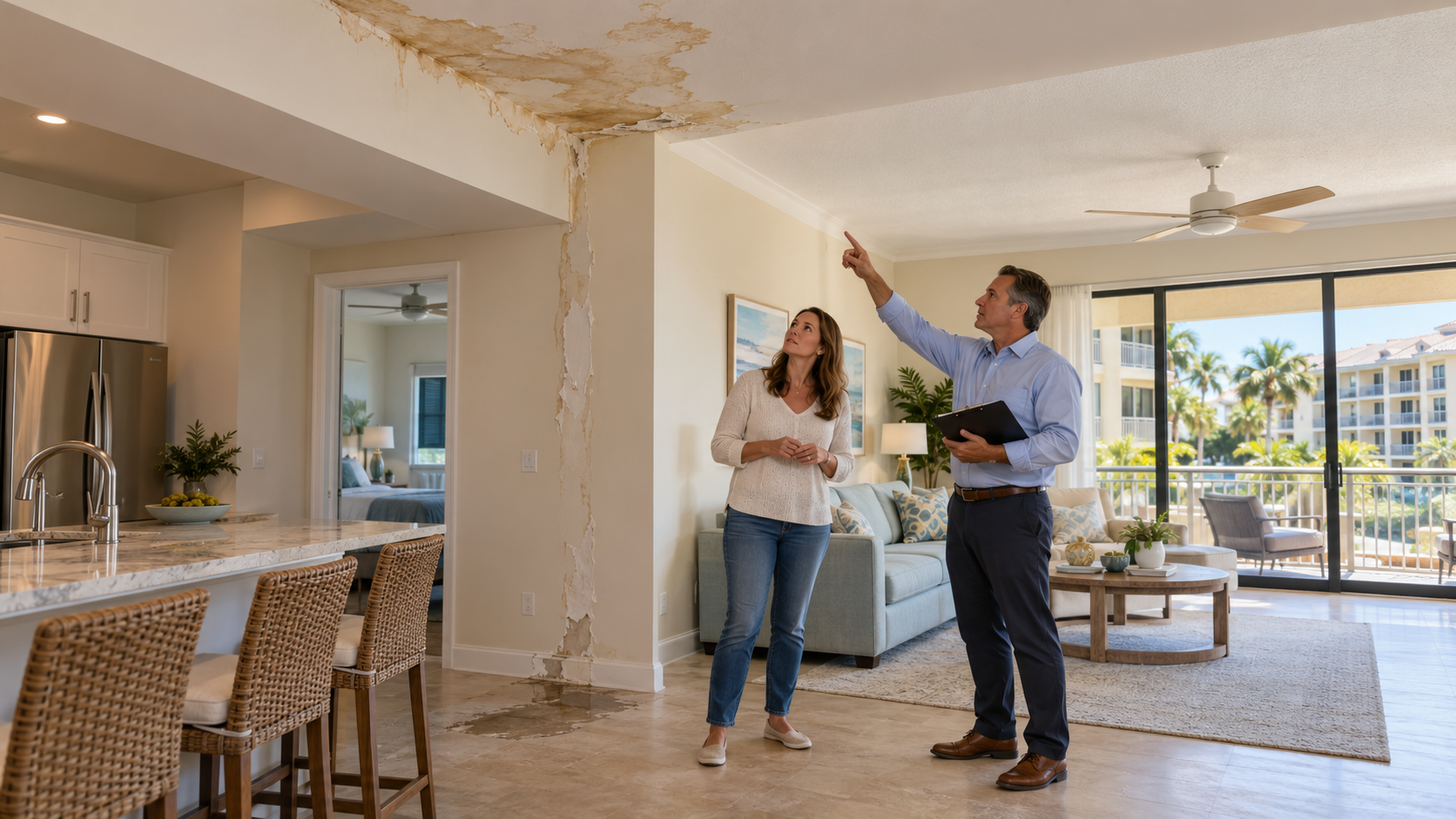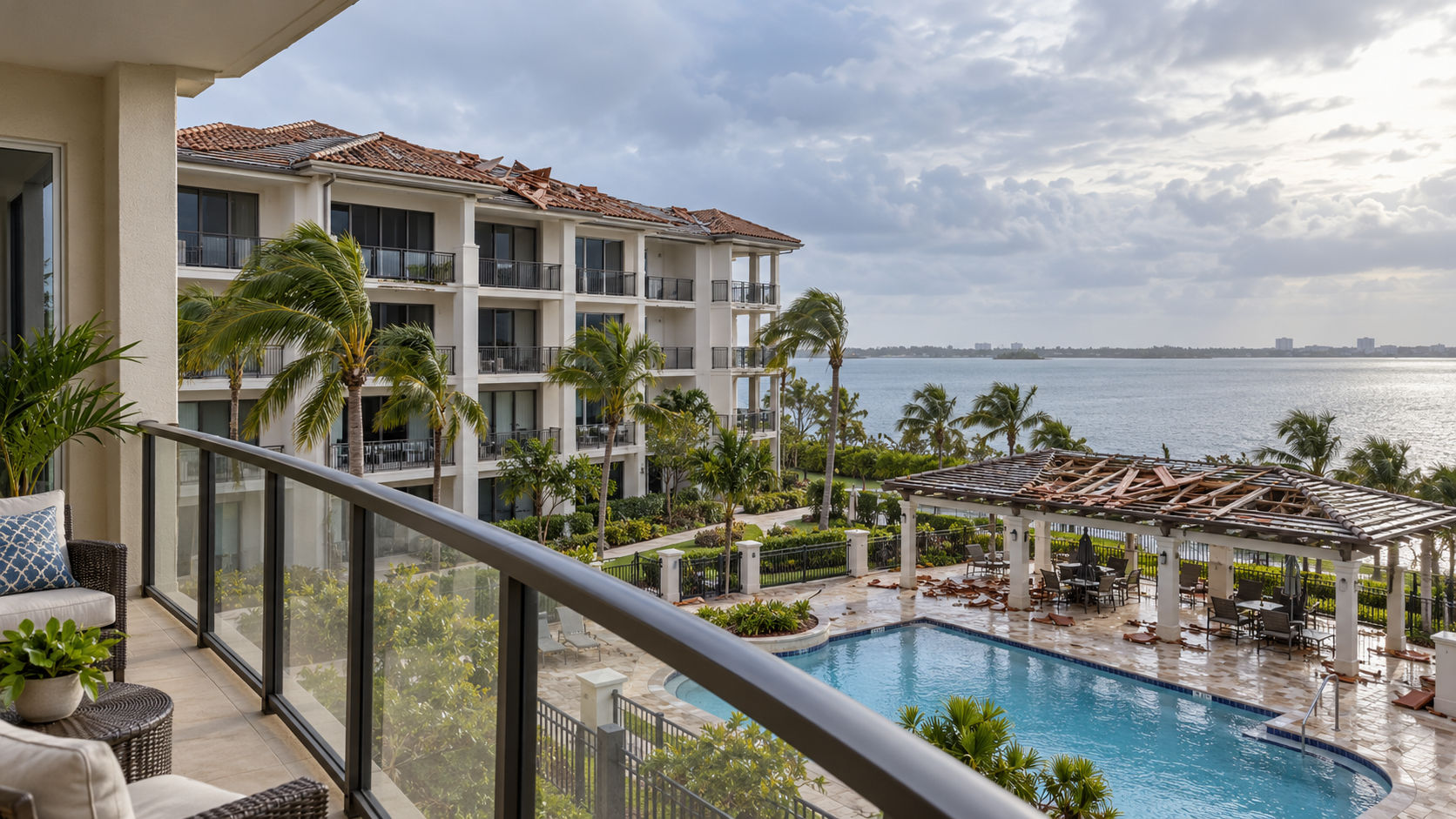
Having an insurance adjuster inspect your home can feel like a major milestone in your property damage claim. You have shown the damage, answered questions, and allowed the adjuster to examine the affected areas. But when the inspection ends and the adjuster leaves, many homeowners are left wondering what happens next.
At PICC FLA, we help Florida homeowners understand and manage the property insurance claim process, including what happens before, during, and after an insurance company inspection. The inspection itself is only one part of the claim. Afterward, the insurance company still needs to evaluate the damage, review your policy, determine what it believes is covered, calculate the value of the loss, and make a claim decision.
Understanding these claim inspection next steps can help you recognize when the process is moving normally and when additional documentation or professional assistance may be needed.
What Happens After an Insurance Adjuster Visits Your Home?
If you are wondering what happens after insurance adjuster visits your property, the first thing to understand is that the adjuster usually does not make the final claim decision while standing inside your home.
The adjuster typically gathers information during the inspection and then uses that information as part of the insurer’s claim investigation. Depending on the loss, this may include:
- Photographs of damaged areas
- Measurements of rooms or affected materials
- Notes about visible damage
- Information about the suspected cause of loss
- Documentation of damaged belongings
- Repair information or estimates
- Statements provided by the homeowner
- Other records relevant to the claim
The insurer then compares the documented damage with the terms, limits, deductibles, exclusions, and conditions in your insurance policy.
This is why the period after the inspection can be just as important as the inspection itself. An adjuster seeing damage does not automatically mean every damaged item will be included in the insurer’s estimate or covered under the policy.
How Does the Insurance Company Review the Adjuster’s Findings?
After the home insurance inspection, the information collected is generally reviewed as part of the insurer’s investigation.
The insurance company may examine several questions.
What Caused the Damage?
The cause of the loss matters because insurance coverage depends heavily on the policy.
For example, water appearing on a ceiling does not by itself explain whether the loss resulted from a sudden plumbing problem, roof damage, storm damage, gradual deterioration, or another cause.
At PICC FLA, we regularly work with property owners dealing with water damage claims, roof damage claims, and other property losses where identifying and documenting the extent of damage is an important part of preparing the claim.
What Does the Policy Cover?
The insurance company will also review the applicable policy provisions.
Coverage depends on the individual contract. Policies may contain different deductibles, exclusions, limits, conditions, and requirements.
That is one reason we emphasize policy review as part of our residential insurance claim services. We want homeowners to understand what their policy says rather than assuming that every form of property damage is automatically covered.
Will You Receive an Estimate After the Inspection?
In many property claims, the insurance company prepares an estimate based on the adjuster’s inspection and other information gathered during the investigation.
For residential property insurers subject to Florida Statute section 627.70131, if an insurer’s adjuster generates a detailed estimate of the amount of loss, the insurer must send the policyholder a copy within seven days after that estimate is generated. The law does not require an insurer to create a detailed estimate when one is not reasonably necessary to investigate the claim. (Florida Legislature)
When you receive an estimate, review it carefully.
Do not look only at the total dollar amount. Look at:
- Which rooms are included
- Which damaged materials are included
- Repair quantities
- Replacement quantities
- Labor and material costs
- Deductible amounts
- Depreciation
- Items that were excluded
- Areas inspected but not included
A detailed estimate helps explain how the insurer arrived at its calculation. It can also reveal differences between what you observed at your property and what was included in the insurance adjustment.
What Should You Do While Waiting for the Claim Decision?
The waiting period after an insurance adjuster inspection should not be treated as a time to stop documenting your loss.
Continue protecting your property from additional damage when it is safe to do so. Keep photographs, receipts, invoices, emails, repair estimates, and records of communications connected with the claim.
Florida’s Department of Financial Services advises policyholders to make reasonable temporary repairs to prevent additional damage, keep records and receipts, photograph damage when possible, and cooperate with the insurer’s investigation. (Florida Department of Financial Services)
Avoid throwing away damaged property before the insurer has had an opportunity to inspect it unless safety, sanitation, or another urgent condition makes disposal necessary. Documentation becomes especially important when damaged materials must be removed.
If you have a hurricane or storm damage claim, these records can become particularly important because one storm may cause damage to roofing, exterior components, ceilings, walls, flooring, and other parts of the property.
Can the Insurance Company Ask for More Information After the Inspection?
Yes. A physical inspection does not necessarily complete the investigation.
The insurer may request additional information needed to evaluate the claim. Depending on the circumstances and your policy requirements, that could involve receipts, photographs, inventories, estimates, proof of ownership, repair records, or other claim-related documentation.
Homeowners should respond carefully and keep copies of what they provide.
Florida law also contains specific timing provisions involving requests for material claim information. Certain delays in providing requested information can affect statutory claim timelines.
This is one reason organized claim documentation matters. At PICC FLA, gathering and presenting evidence is a central part of how we assist policyholders through the claims process.
How Long Does an Insurance Company Have to Decide the Claim?
Homeowners often expect the clock to start after the adjuster leaves, but Florida’s primary statutory deadline is generally connected to when the insurer receives notice of the claim, not simply the inspection date.
Under Florida Statute section 627.70131, an insurer generally must pay or deny an initial, reopened, or supplemental qualifying property insurance claim, or a portion of it, within 60 days after receiving notice of the claim, unless statutory circumstances allow additional time or toll the deadline. The insurer must also provide a reasonable written explanation for a payment, denial, or partial denial.
The Florida Department of Financial Services likewise explains that qualifying property claims generally must be paid or denied within 60 days after notice.
That does not mean every homeowner receives a final check exactly 60 days after reporting a loss. The facts of the claim, requests for information, dispute-resolution proceedings, statutory exceptions, and other circumstances can affect the timeline.
What Types of Decisions Can Come After the Inspection?
After completing its investigation, the insurer may take several possible actions.
What Happens If the Claim Is Covered?
If the insurer determines that covered damage exists, it may issue payment based on its evaluation of the covered loss, applicable deductible, policy provisions, depreciation, and other factors.
Some claims may involve more than one payment.
For example, replacement cost policies and repair-related provisions can affect when certain amounts become payable. The specific terms of your policy control how your claim is handled.
What Happens If Only Part of the Damage Is Accepted?
An insurer may agree that a covered loss occurred but disagree about the extent or value of the damage.
This situation can result in a payment that is lower than the homeowner expected.
A payment does not necessarily mean every issue has been resolved. If you believe relevant damage or repair costs were omitted, carefully compare the insurer’s estimate with the actual conditions at the property.
PICC FLA assists homeowners with underpaid property damage claims when additional documentation or evaluation may be appropriate.
What Happens If the Claim Is Denied?
A denial should include an explanation of the insurer’s position.
If your claim is denied, review the denial letter carefully. Look at the reason given, the policy provisions referenced, and whether all relevant damage and supporting information were considered.
A denial does not mean you should automatically assume nothing more can be done. The next step depends on the policy, the evidence, the reason for the denial, applicable deadlines, and the facts surrounding the loss.
PICC FLA can review property claims that have already received an unfavorable decision and determine whether additional documentation may support further consideration. We also provide information about whether a closed insurance claim may be reopened.
What Should You Do If the Insurance Estimate Seems Too Low?
Do not judge an estimate only by comparing the check with what you hoped to receive.
Compare the scope.
An estimate can be lower because of differences involving:
- The amount of damage identified
- Repair versus replacement
- Labor quantities
- Material quantities
- Depreciation
- Deductibles
- Policy limitations
- Items the insurer believes are not covered
- Damage that was not visible during the original inspection
This is where documentation becomes important.
At PICC FLA, our role as public adjusters is to represent the policyholder. We inspect and evaluate property damage, review policy information, prepare supporting documentation, develop estimates when appropriate, communicate about the claim, and negotiate with the insurer on behalf of our clients. Our property damage claim process is designed around documenting and presenting the loss as thoroughly as possible.
Can Hidden Damage Appear After the Insurance Inspection?
Yes. Some property damage may not be obvious during an initial visual inspection.
Water can migrate into walls, flooring, cabinets, insulation, or other concealed areas. Roof damage can also contribute to interior moisture that becomes more noticeable later. Fire losses may involve damage beyond immediately visible burned materials.
PICC FLA handles claims involving these types of losses, including fire damage insurance claims, roof damage, water damage, and storm-related losses.
If additional damage becomes apparent, document it promptly. Take photographs and videos, preserve related records, and avoid assuming that the original inspection automatically captured everything.
When Should You Consider Getting Help After the Inspection?
You do not necessarily have to wait until a claim is denied before asking for help.
Consider having your claim reviewed when:
- You do not understand the insurer’s estimate
- Important damage appears to be missing
- You disagree with the repair scope
- Additional damage appears after the inspection
- The claim has been underpaid
- The claim has been denied
- The insurer requests documentation you are unsure how to prepare
- You are having difficulty understanding your policy
- The claim has become difficult to manage on your own
At PICC FLA, we work for the policyholder rather than the insurance company. Our role is to help document, assess, present, and negotiate property insurance claims while keeping the policyholder informed throughout the process.
If the insurance adjuster has already inspected your home and you are unsure what happens next, we can review where the claim stands and help you understand the next steps.
What Are the Most Important Claim Inspection Next Steps?
After the inspection, focus on staying organized rather than assuming the process is finished.
Your most important claim inspection next steps are to:
- Keep copies of all insurance correspondence
- Save photographs and videos
- Keep receipts for temporary repairs and claim-related expenses
- Review the insurance estimate carefully
- Respond to reasonable requests for claim information
- Continue documenting newly discovered damage
- Review your policy and deductible
- Pay attention to claim deadlines
- Ask questions if the insurer’s decision is unclear
- Seek professional claim assistance if the damage or settlement is disputed
The insurance adjuster inspection process is only one stage of the larger claim. What happens afterward can have a major effect on how clearly your loss is documented and evaluated.
What Should Homeowners Remember After a Home Insurance Inspection?
The most important thing to remember after home insurance inspection is that the adjuster’s visit does not automatically complete your claim.
The insurer still needs to evaluate the information, apply the terms of your policy, calculate covered damages, and communicate its decision. You may receive an estimate, additional questions, a payment, a partial payment, or a denial depending on the circumstances.
At PICC FLA, we help Florida property owners understand these steps, document their losses, and address situations where damage may have been overlooked or a claim may not adequately reflect the loss.
If you are uncertain about the outcome of an inspection, you do not have to guess about what happens next. A careful review of the policy, damage documentation, insurer estimate, and claim correspondence can help determine the right path forward.
Works Cited
Florida Department of Financial Services. “General Insurance Coverage FAQs.” Division of Consumer Services. Accessed 18 Aug. 2026.
Florida Department of Financial Services. “Homeowners Insurance Overview.” Division of Consumer Services. Accessed 18 Aug. 2026.
Florida Legislature. “Florida Statutes, Section 627.70131: Insurer’s Duty to Acknowledge Communications Regarding Claims; Investigation.” The Florida Statutes. Accessed 18 Aug. 2026.