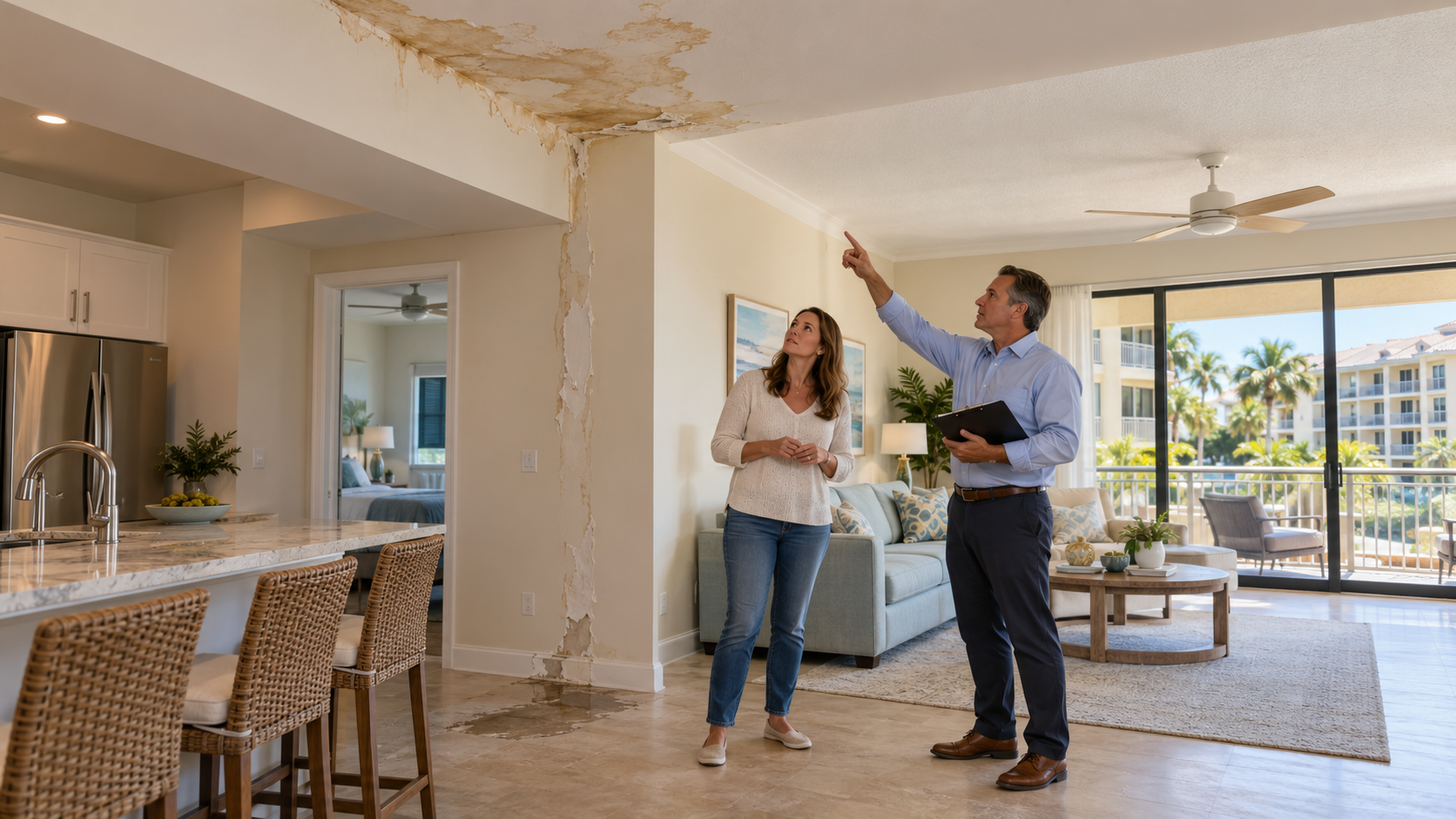
A recorded statement can feel like a routine step in a property insurance claim, but it deserves careful attention. When an insurance company asks you to describe a loss while the conversation is being recorded, your answers can become part of the claim file. That does not mean you should automatically refuse the request. It also does not mean you should answer before understanding what is being asked.
At PICC FLA, we help Florida property owners document, assess, present, and negotiate property insurance claims. Our approach starts with the policy, the facts surrounding the loss, and accurate documentation. If you receive a request for a recorded statement insurance claim interview, the practical goal is to understand the request, review what happened, and avoid guessing about details you do not know.
Florida consumer guidance explains that an insured must cooperate with the insurer’s investigation and may be asked to provide a recorded statement or an examination under oath. Whether a particular recorded statement is required can depend on the policy and circumstances surrounding the claim.
What Is a Recorded Statement in a Property Insurance Claim?
A recorded statement is a question-and-answer conversation recorded as part of an insurance company’s investigation of a claim. You may be asked to explain what happened, when the damage was discovered, which areas were affected, what you did after discovering the loss, and what information supports the claim.
A recorded statement homeowners claim request may occur after you report the loss, after an inspection, or while additional information is being gathered.
This is different from simply submitting photographs, invoices, or an estimate because you are answering questions in real time. That makes preparation important.
Our property insurance claim process guide emphasizes reviewing the policy, documenting the property’s condition, taking reasonable steps to limit additional damage, and maintaining records throughout the claim. Those same practices can help you approach a recorded statement more accurately.
Do I Have to Give a Recorded Statement to Insurance?
If you are asking, “do I have to give recorded statement insurance information?”, there is no single answer that should be applied to every property claim.
Your policy may contain duties after a loss or cooperation requirements that apply while the insurer investigates the claim. Florida consumer guidance also states that an insured may be asked to provide a recorded statement. Because policies and claim circumstances can differ, it is important to review the actual request and applicable policy provisions rather than assuming that every situation is identical.
Ignoring a request without first understanding your obligations can create unnecessary complications. At the same time, cooperating with the investigation does not mean you should guess, exaggerate, or provide information you are uncertain about.
If the claim process is becoming confusing, our residential insurance claims information and public adjuster FAQ explain how we work from the policyholder’s perspective during property insurance claims.
Why Should You Prepare Before Giving a Recorded Statement?
Property insurance claims can involve dates, inspections, mitigation work, repairs, estimates, and areas of damage that are difficult to remember perfectly without reviewing your records.
For example, a water loss may involve when moisture was first noticed and what steps were taken to prevent additional damage. A roof or storm claim may involve when interior damage appeared, what temporary protection was used, and whether more damage became visible later.
Before the statement, consider reviewing:
- Photographs and videos of the property damage
- The date you discovered the damage
- Repair, mitigation, and remediation records
- Inspection information
- Inventories of damaged property
- Estimates, invoices, and receipts
- Previous claim communications
- Relevant portions of your insurance policy
Our guide explaining proof of loss requirements also emphasizes the importance of accurate documentation and recognizing that claim requirements can vary depending on the policy.
What Insurance Recorded Statement Questions Could You Be Asked?
The exact insurance recorded statement questions can depend on the type of loss and what information the insurer is trying to verify.
Questions may involve when you first discovered the damage, where you noticed it, what you believe caused it, what steps you took afterward, whether repairs or maintenance occurred before the loss, and which parts of the property were affected.
You may also be asked about photographs, videos, invoices, repair estimates, prior damage, inspections, or other documents connected to the loss.
The most important approach is to answer based on what you actually know.
If you cannot remember an exact date, do not invent one. If a document contains information you need to verify, review that information rather than making an unsupported guess. Accuracy is more important than trying to sound certain about every detail.
What Should You Avoid Saying During a Recorded Statement?
Avoid filling gaps in your memory with assumptions.
If you do not know exactly what caused the damage, do not present a guess as a confirmed fact. If you cannot remember when something happened, avoid creating an exact date simply because you feel pressured to provide one.
You should also avoid assuming that everything visible during the first inspection represents the complete scope of damage.
Our guide explaining what happens after an insurance adjuster inspects your home notes that some property damage can become more apparent later. Water may affect concealed materials, roof damage may contribute to interior moisture, and repair work can reveal additional conditions that were not obvious during the original inspection.
If additional damage becomes apparent, document it promptly. A recorded statement reflects the information available at that stage of the claim. You should continue preserving photographs, videos, invoices, inspection information, and other relevant records as the claim develops.
How Can Documentation Help You Give an Accurate Statement?
Property insurance claims depend heavily on evidence and documentation.
At PICC FLA, our work can include inspecting the property, reviewing existing claim information, documenting the loss, preparing estimates when appropriate, organizing supporting information, communicating regarding the claim, and negotiating with the insurance company from the policyholder’s perspective.
Documentation becomes especially important when there is disagreement about the repair scope or settlement.
Our guide to underpaid property damage insurance claims explains how evidence can become important when the amount paid does not appear to reflect the documented loss. Our resource explaining what to do when an insurance estimate seems too low similarly focuses on comparing the insurer’s evaluation with photographs, repair requirements, estimates, and other supporting information.
Being familiar with your own documentation can therefore help you provide more accurate answers during a recorded statement.
What Should You Do If Your Claim Is Already Disputed?
A request for a recorded statement may feel more concerning when a claim is already delayed, underpaid, disputed, or denied.
If an estimate appears too low, focus on the actual differences between the insurer’s evaluation and the documented loss. Missing damage, omitted repair operations, quantity differences, depreciation, deductibles, or additional damage discovered later may require closer review.
If new information indicates that the original claim scope did not include all documented damage, our guide to a supplemental insurance claim explains situations in which additional information may need to be presented.
If the claim has been denied, the stated reason for the denial and the supporting claim documentation should also be reviewed carefully. Our resource about a denied homeowners insurance claim provides additional information for homeowners facing that situation.
When Should You Ask PICC FLA for Help?
You do not necessarily have to wait until your property insurance claim has been denied before asking for assistance.
Consider having the claim reviewed if you do not understand what is being requested, you are unsure about the documentation being requested, important damage appears to be missing, the insurer’s estimate does not seem to reflect the documented loss, additional damage has appeared, or the overall claim has become difficult to manage.
At PICC FLA, we represent policyholders during the property insurance claim process. Our documented services focus on reviewing policy and claim information, inspecting and documenting property damage, preparing and presenting claim information, communicating regarding the claim, and negotiating based on the documented loss.
If you have received a recorded statement request, careful preparation starts with understanding your property damage, your documentation, and the applicable policy requirements.
What Is the Best Way to Approach a Recorded Statement?
The best approach is to be prepared, factual, and consistent.
Do not treat the request casually, but do not automatically assume that receiving one means your claim is in trouble. Review the policy and available claim records, understand what information is being requested, and answer based on facts you can accurately support.
Keep documenting the property as the claim develops. Preserve important communications, invoices, estimates, photographs, videos, inspection records, and other information connected to the loss.
At PICC FLA, we focus on careful documentation, policy review, property inspection, claim presentation, and negotiation from the policyholder’s perspective. A recorded statement is one part of a larger property insurance claim, and it deserves the same attention you give to estimates, inspections, photographs, proof of loss forms, and other claim documentation.
Which Organizations Support This Guidance?
Florida Department of Financial Services. “Homeowners Insurance Overview.” Division of Consumer Services, accessed 9 Sept. 2026.
Florida Legislature. “Florida Statutes, Section 627.70131: Insurer’s Duty to Acknowledge Communications Regarding Claims; Investigation.” 2026 Florida Statutes, accessed 9 Sept. 2026.