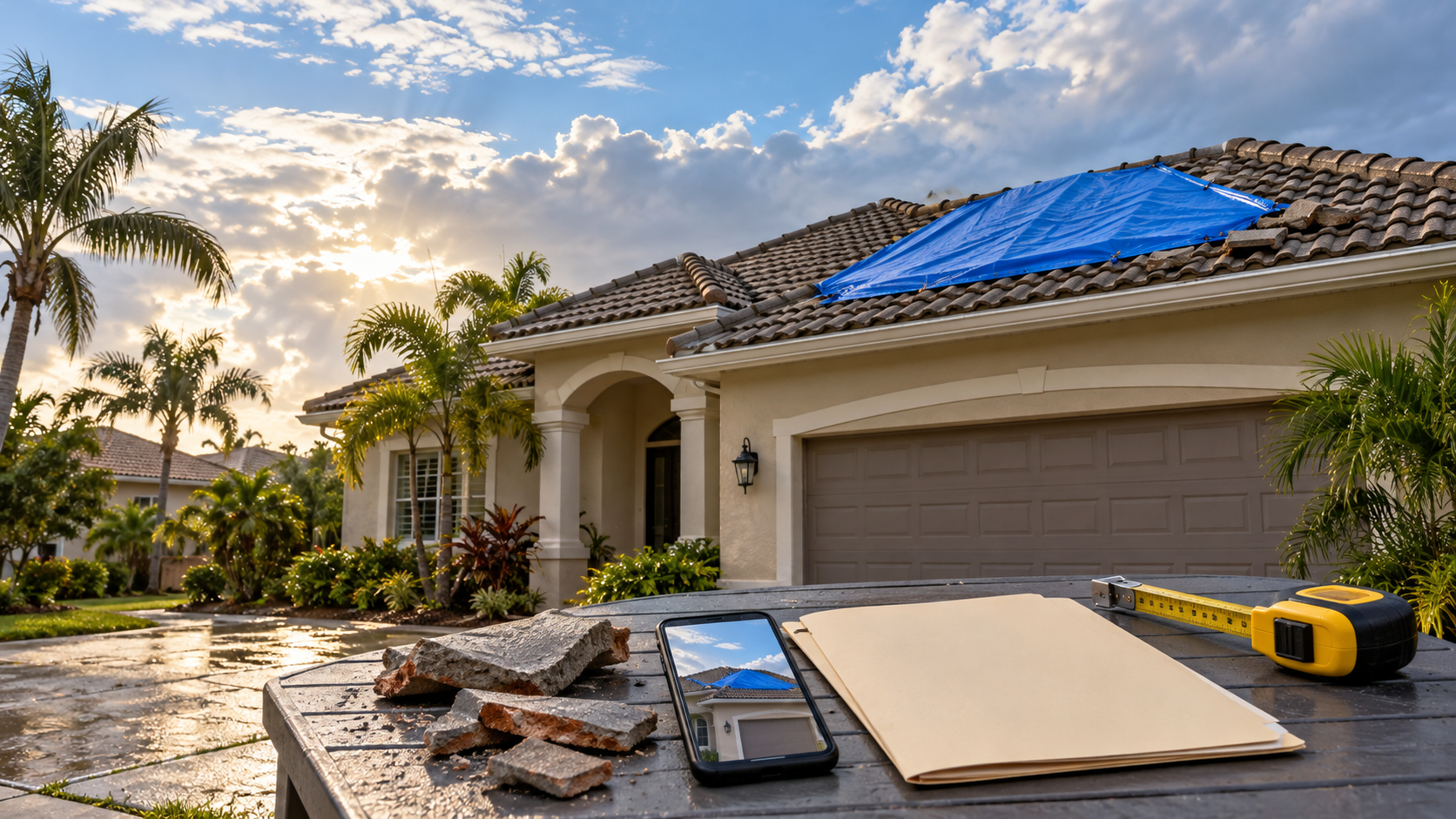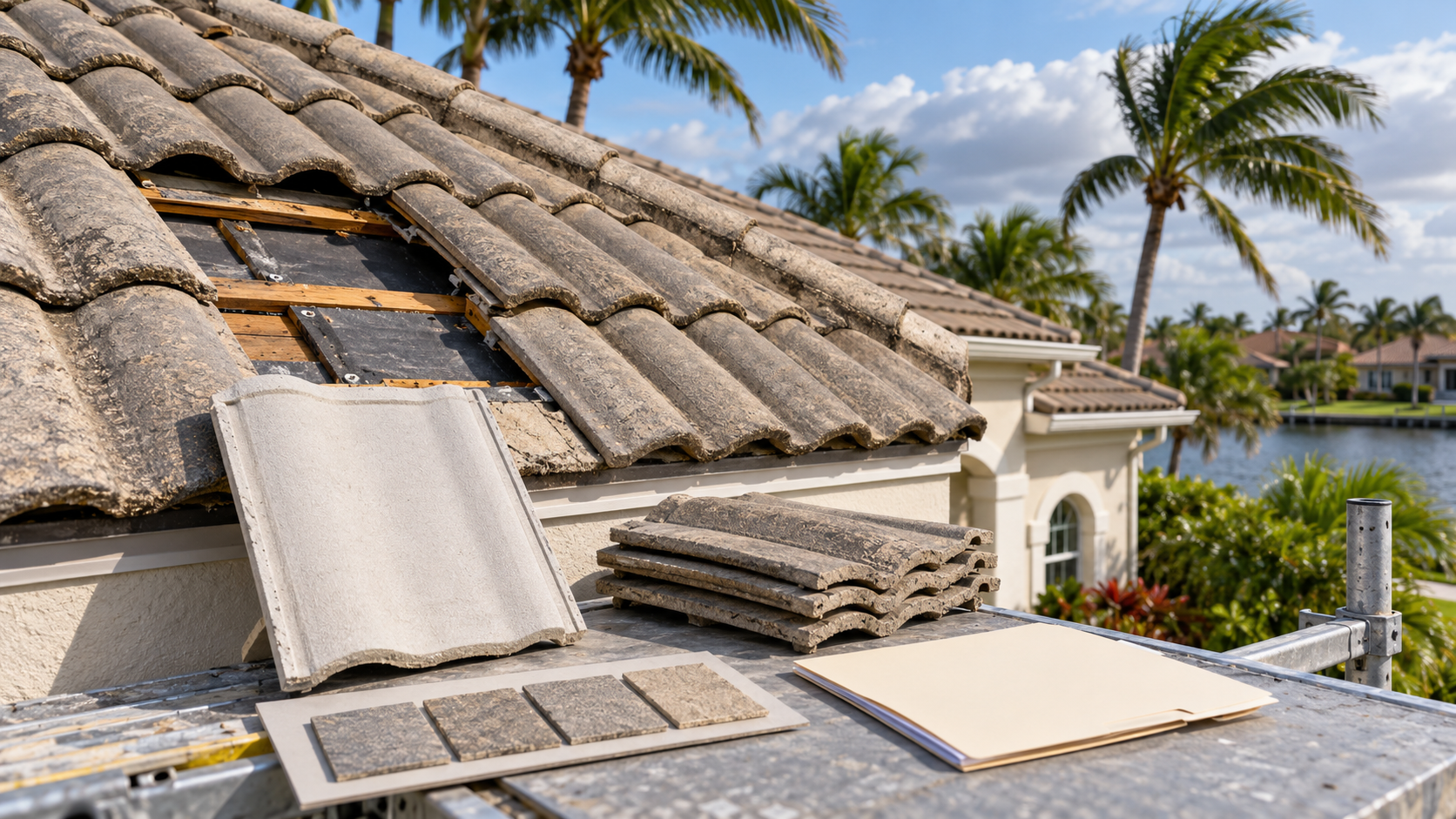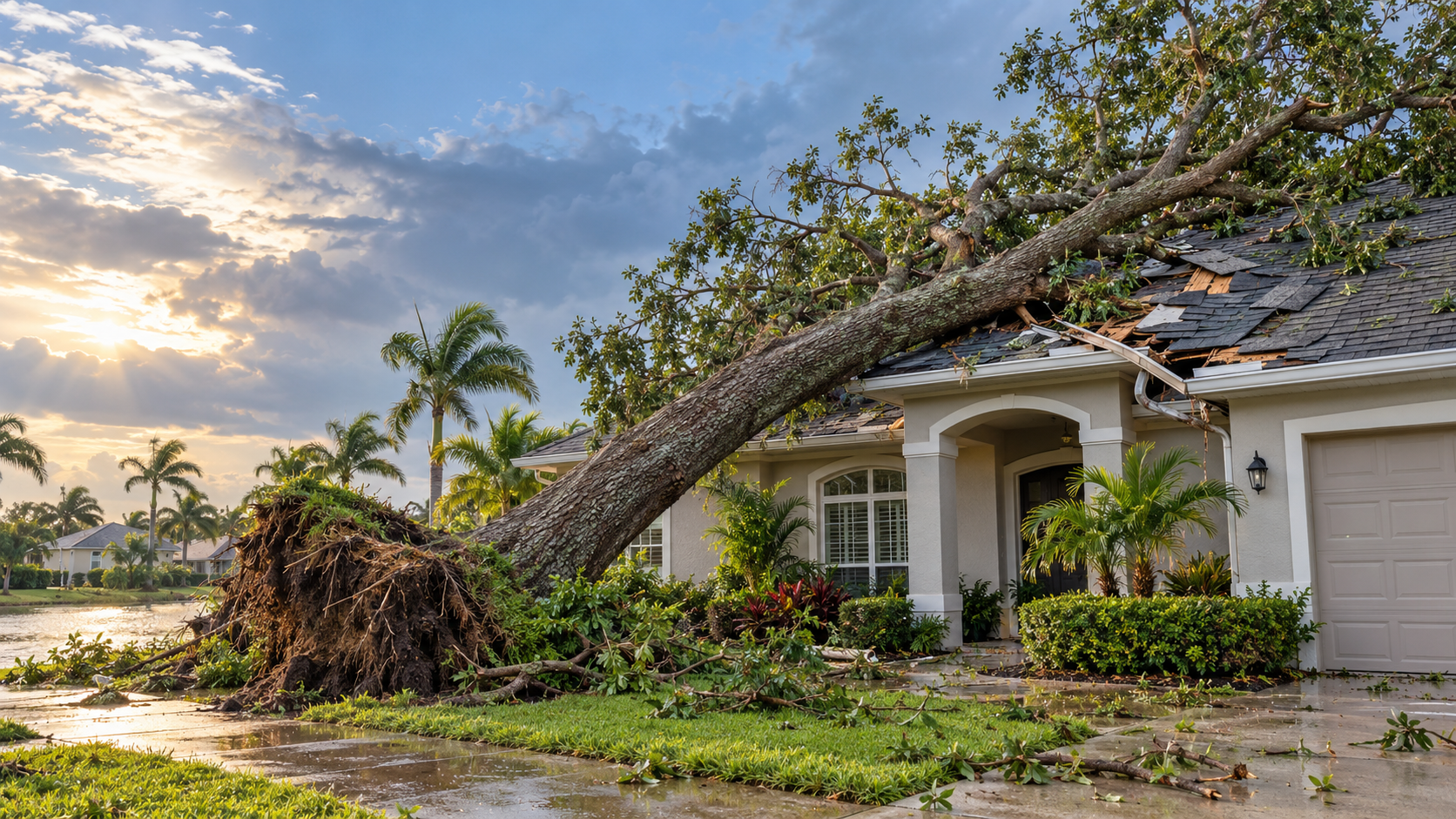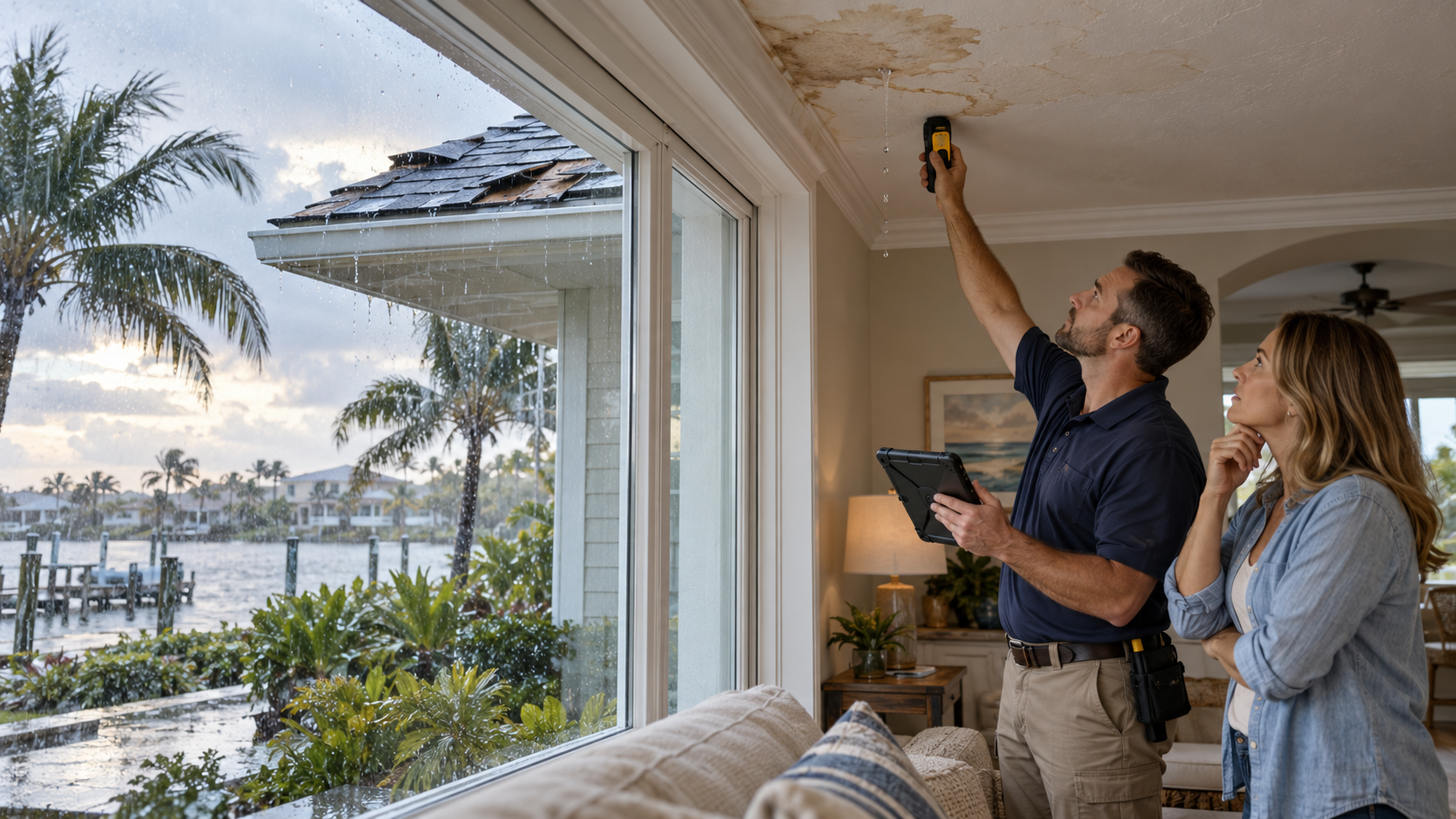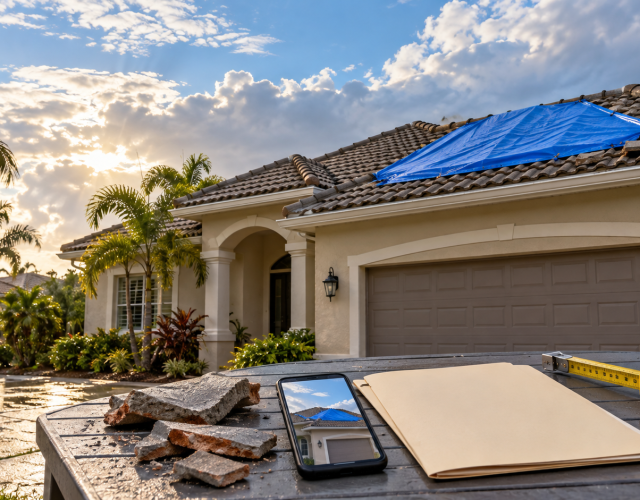
After a hurricane or severe storm in Florida, roof damage can leave your home exposed to additional rain, wind, and water intrusion. When shingles are missing, roofing materials are damaged, or an opening appears in the roof, installing a temporary tarp may be necessary to protect the property. But will insurance pay for emergency roof tarping?
In many cases, homeowners insurance may cover reasonable emergency roof tarping expenses when the work is necessary to prevent additional damage following a covered loss. However, reimbursement is not automatic. Coverage depends on the cause of the roof damage, the terms of your insurance policy, the necessity of the temporary repairs, and the documentation supporting the expenses.
At PICC FLA, we help Florida homeowners navigate insurance claims involving hurricanes, wind, roof damage, and water intrusion. We understand that protecting your property cannot always wait until an insurance adjuster arrives.
In this guide, we explain how emergency roof tarp insurance works, when temporary repairs may qualify for reimbursement, and how to document your expenses when filing a claim.
What Is Emergency Roof Tarping?
Emergency roof tarping is a temporary measure used to protect a damaged roof from additional exposure to rain and other weather conditions.
A tarp may be installed over damaged roofing materials or an opening to help reduce the amount of water entering the structure.
Homeowners may need temporary roof protection after events such as:
- Hurricanes and tropical storms
- Severe windstorms
- Hailstorms
- Fallen trees or branches
- Storm-related roofing material damage
- Other sudden events affecting the roof
Emergency tarping is not the same as permanent roof repair. It is intended to provide temporary protection while the damage is evaluated and the appropriate repairs are arranged.
Our roof damage claim services address roofing losses involving hurricanes, wind, hail, leaks, fallen debris, and other property damage.
Will Homeowners Insurance Cover Emergency Roof Tarping?
Potentially, yes.
Many homeowners insurance policies require policyholders to take reasonable steps to protect damaged property from additional loss.
When a covered event damages your roof, reasonable temporary protection expenses may qualify for reimbursement under the applicable policy.
For example, suppose hurricane winds damage roofing materials and create an opening that allows rain into your home. Installing a temporary tarp may help prevent additional water damage while the insurance claim is being evaluated.
In this situation, the tarping expense may be considered part of the costs associated with protecting the damaged property.
However, emergency roof tarp insurance reimbursement depends on several factors:
- Whether the original roof damage resulted from a covered event
- Whether tarping was reasonably necessary
- Whether the cost was reasonable under the circumstances
- Whether the work was properly documented
- Whether the policy provides applicable coverage
- Whether exclusions or coverage limitations apply
At PICC FLA, we recommend reviewing your actual insurance policy before assuming that every temporary repair expense will be reimbursed.
Should You Tarp Your Roof Before the Insurance Adjuster Arrives?
Yes, when tarping is reasonably necessary to prevent additional damage and can be performed safely, you generally should not delay protective work solely because the insurance adjuster has not arrived.
Florida insurance consumer guidance advises homeowners to make temporary repairs to prevent further damage and preserve photographs and receipts.
However, documentation remains important because the adjuster may need evidence of the roof’s condition before the tarp was installed.
Before temporary work begins, try to:
- Photograph the visible roof damage from a safe location.
- Record any interior leaks or water intrusion.
- Document damaged roofing materials and exterior components.
- Keep photographs provided by the roofing professional.
- Save the temporary repair estimate and invoice.
- Keep records of communications with your insurer.
Do not climb onto a damaged roof or attempt dangerous repairs yourself.
Our guide on temporary repairs before an insurance inspection explains why reasonable property protection and preserving evidence should work together.
How Do You File a Roof Tarp Insurance Claim?
Filing a roof tarp insurance claim generally involves documenting the original damage, reporting the loss, preserving temporary repair expenses, and reviewing the insurer’s evaluation.
How Should You Document the Roof Damage?
Begin by recording the condition of the property before temporary repairs whenever safely possible.
Take photographs showing missing shingles, damaged roof tiles, displaced materials, fallen branches, and any visible openings.
Inside the home, document ceiling stains, wet drywall, damaged insulation, and other signs of water intrusion.
Photographs should show both the overall affected area and specific damage.
How Should You Report the Damage to Your Insurer?
Notify your insurer promptly according to your policy’s reporting requirements.
Explain what happened, when the damage occurred, and whether emergency tarping was needed to prevent further loss.
Provide accurate information without making assumptions about damage that has not yet been inspected.
Keep your claim number and copies of relevant communications.
What Receipts Should You Keep?
Preserve all documentation associated with temporary roof protection, including:
- Tarping estimates
- Itemized contractor invoices
- Payment receipts
- Photographs before and after installation
- Descriptions of the work performed
- Dates of service
- Materials and labor charges
- Records of additional temporary protection work
These documents help show why the work was performed and what it cost.
Our guide on how to file a homeowners insurance claim explains the importance of documenting damage, understanding policy requirements, and preserving claim records.
Does Insurance Cover a Temporary Roof Repair Claim After a Hurricane?
A temporary roof repair claim may qualify for coverage when the repairs are necessary because of covered hurricane damage.
Hurricanes can damage roofing systems through high winds, flying debris, and falling objects.
For example, strong winds may remove roofing materials or damage flashing, leaving the roof vulnerable to water intrusion.
A temporary tarp may help protect the exposed area until permanent repairs can be completed.
However, hurricane insurance coverage can involve specific deductibles, exclusions, and policy requirements.
The cause of the original damage must also be considered.
At PICC FLA, we assist Florida property owners with hurricane and storm-related property insurance claims. Our work includes reviewing documented damage, examining policy information, preparing supporting claim materials, and representing policyholders during the adjustment process.
You can learn more about our services through our hurricane and storm damage claims page.
Can Insurance Cover Tarping When Rain Is Entering Through a Damaged Roof?
Potentially, yes.
When a covered storm damages the roof and creates an opening, temporary protection may be necessary to reduce additional interior water damage.
However, a roof leak does not automatically establish that the original roof damage is covered.
The insurer may investigate whether the opening resulted from a sudden storm event, deterioration, maintenance-related issues, or another cause.
For example, wind damage that creates a new opening may present a different coverage situation from a long-standing leak caused by worn roofing materials.
That distinction is important when evaluating both the original roof damage and the temporary repair expenses.
Our guide on wind-driven rain insurance coverage explains why the cause and path of water intrusion matter when reviewing Florida property insurance claims.
Can an Insurance Company Deny Emergency Roof Tarping Expenses?
Yes. An insurer may deny or limit reimbursement when the expense does not qualify under the policy.
Possible reasons include:
- The underlying damage resulted from an excluded cause
- The expense was not reasonably necessary
- The charge exceeded what the insurer considers reasonable
- The required documentation was insufficient
- The claim was affected by applicable limits or exclusions
- The cost was not adequately connected to the reported loss
However, a denial should be evaluated according to the actual policy and supporting evidence.
If the insurer refuses to reimburse your tarping expenses, review the written explanation.
Compare the decision with your photographs, invoices, repair documentation, and policy provisions.
Our guide on how to read a home insurance claim denial letter explains how homeowners can evaluate the stated reasons for a claim denial.
What If the Insurance Estimate Does Not Include Roof Tarping?
An initial insurance estimate may not include every expense associated with the reported property loss.
For example, the insurer’s estimate might address roof repairs and interior water damage without separately identifying documented emergency tarping expenses.
If that happens, review the estimate carefully.
Determine whether the cost was included under another line item, omitted, or excluded based on a coverage decision.
We recommend comparing:
- The insurance estimate
- The tarping invoice
- Photographs of the original damage
- The work performed
- Relevant policy provisions
- Communications explaining the insurer’s decision
An omitted expense does not automatically establish that additional payment is owed. However, properly documented costs may warrant further evaluation when coverage applies.
Our guide on how to read an insurance claim estimate explains how line items, labor charges, materials, depreciation, and deductions affect claim estimates.
Can You Submit Additional Tarping Costs After the Initial Claim?
Potentially, yes.
Sometimes temporary roof protection must remain in place while the original claim is being evaluated or permanent repairs are arranged.
Additional reasonable expenses may arise if the temporary protection requires maintenance or replacement.
However, not every additional charge qualifies for reimbursement.
The policy, necessity of the work, connection to the covered loss, and supporting documentation still matter.
If additional covered expenses associated with the original loss need to be considered, a supplemental claim may be appropriate.
Under Florida law, notice of a supplemental property insurance claim generally must be provided within 18 months after the date of loss, subject to statutory requirements and exceptions. Initial and reopened claims generally have a one-year notice deadline.
Our guide on supplemental insurance claims explains how additional damage or qualifying repair expenses may be presented after the initial adjustment.
How Can PICC FLA Help With an Emergency Roof Tarp Insurance Claim?
At PICC FLA, we represent policyholders throughout the property insurance claim process.
Our services include evaluating property damage, reviewing policy and claim information, preparing estimates and supporting documentation, and communicating and negotiating with insurers on behalf of property owners.
When temporary roof protection is associated with a covered loss, we can review how the expense relates to the overall damage claim.
Depending on the circumstances, our work may include:
- Reviewing the original roof damage
- Examining relevant policy provisions
- Evaluating existing insurance estimates
- Reviewing temporary repair documentation
- Identifying potentially omitted repair expenses
- Preparing supporting claim information
- Representing the policyholder during the adjustment process
We do not guarantee reimbursement for every temporary repair expense. Our role is to accurately document and present the property loss based on the policy and available evidence.
What Should Florida Homeowners Remember About Emergency Roof Tarping?
The most important point is that emergency roof tarping may qualify for insurance reimbursement when it is a reasonable and necessary protective measure following a covered property loss.
However, tarp after hurricane insurance coverage is not automatic. The cause of the original damage, applicable policy provisions, necessity of the temporary work, and supporting documentation all matter.
We recommend protecting your property as soon as it is safe, documenting the damage before repairs whenever practical, preserving receipts, and reviewing the insurance estimate carefully.
At PICC FLA, we help Florida property owners navigate roof, hurricane, wind, and water damage insurance claims. Our focus is on documenting the loss, reviewing claim information, and representing the policyholder throughout the adjustment process.
If your roof was damaged during a storm and you need assistance understanding your insurance claim, contact PICC FLA to discuss your situation.
Which Organizations Support This Emergency Roof Tarping Insurance Guidance?
Works Cited
Florida Department of Financial Services. “General Insurance Coverage FAQs.” Division of Consumer Services, State of Florida. https://www.myfloridacfo.com/division/consumers/storm/general-disaster-faqs. Accessed 14 Oct. 2026.
Florida Department of Financial Services. “Hurricane Recovery Resources.” Office of the Insurance Consumer Advocate, State of Florida. https://www.myfloridacfo.com/division/ica/storm. Accessed 14 Oct. 2026.
Florida Department of Financial Services. “Homeowners Insurance Overview.” Division of Consumer Services, State of Florida. https://myfloridacfo.com/division/consumers/understanding-insurance/homeownersinsuranceoverview. Accessed 14 Oct. 2026.
Florida Legislature. “Notice of Property Insurance Claim.” The 2026 Florida Statutes, sec. 627.70132, 2026. https://www.flsenate.gov/Laws/Statutes/2026/627.70132.