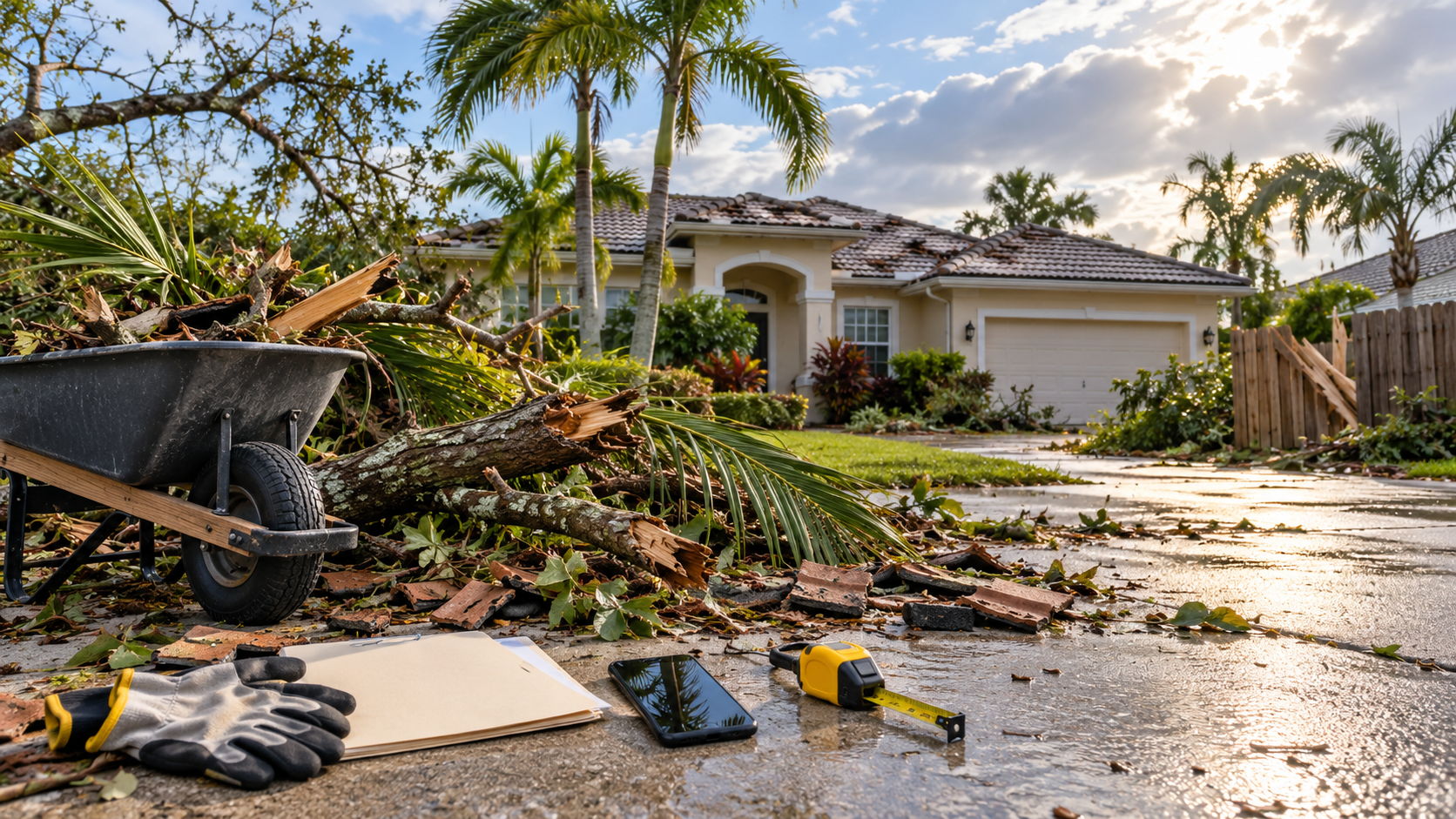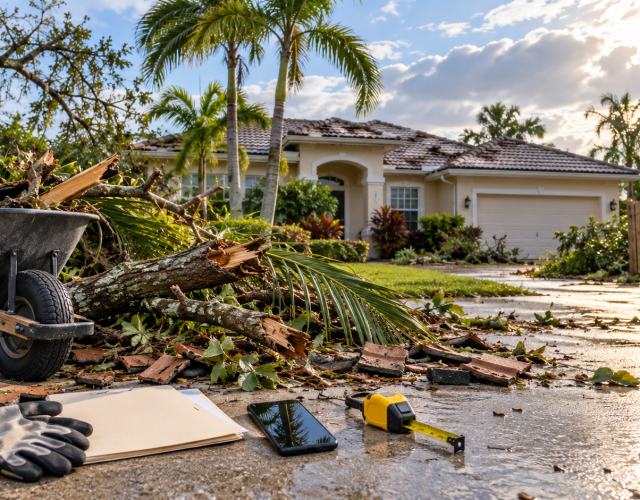
After a hurricane or severe storm in Florida, your property may be covered with fallen branches, broken roofing materials, damaged fencing, and other debris. While cleaning up the damage is important, many homeowners face another question: Does homeowners insurance cover debris removal after a storm?
In many cases, homeowners insurance may cover debris removal when the debris results from a covered property loss. However, not every cleanup expense qualifies for reimbursement. Coverage depends on what caused the damage, whether insured property was affected, and the specific terms and limits of your policy.
At PICC FLA, we help Florida property owners navigate insurance claims involving hurricanes, wind, roof damage, and other property losses. We understand that storm recovery involves more than repairing a damaged building. Property owners may also need to address fallen trees, damaged building materials, and debris that must be removed before repairs can begin.
In this guide, we explain when debris removal may be covered, how tree debris removal insurance works, what limits may apply, and how to document cleanup expenses as part of a property insurance claim.
When Does Homeowners Insurance Cover Storm Debris Removal?
Homeowners insurance commonly provides debris removal coverage when the debris is associated with direct physical damage caused by a covered event.
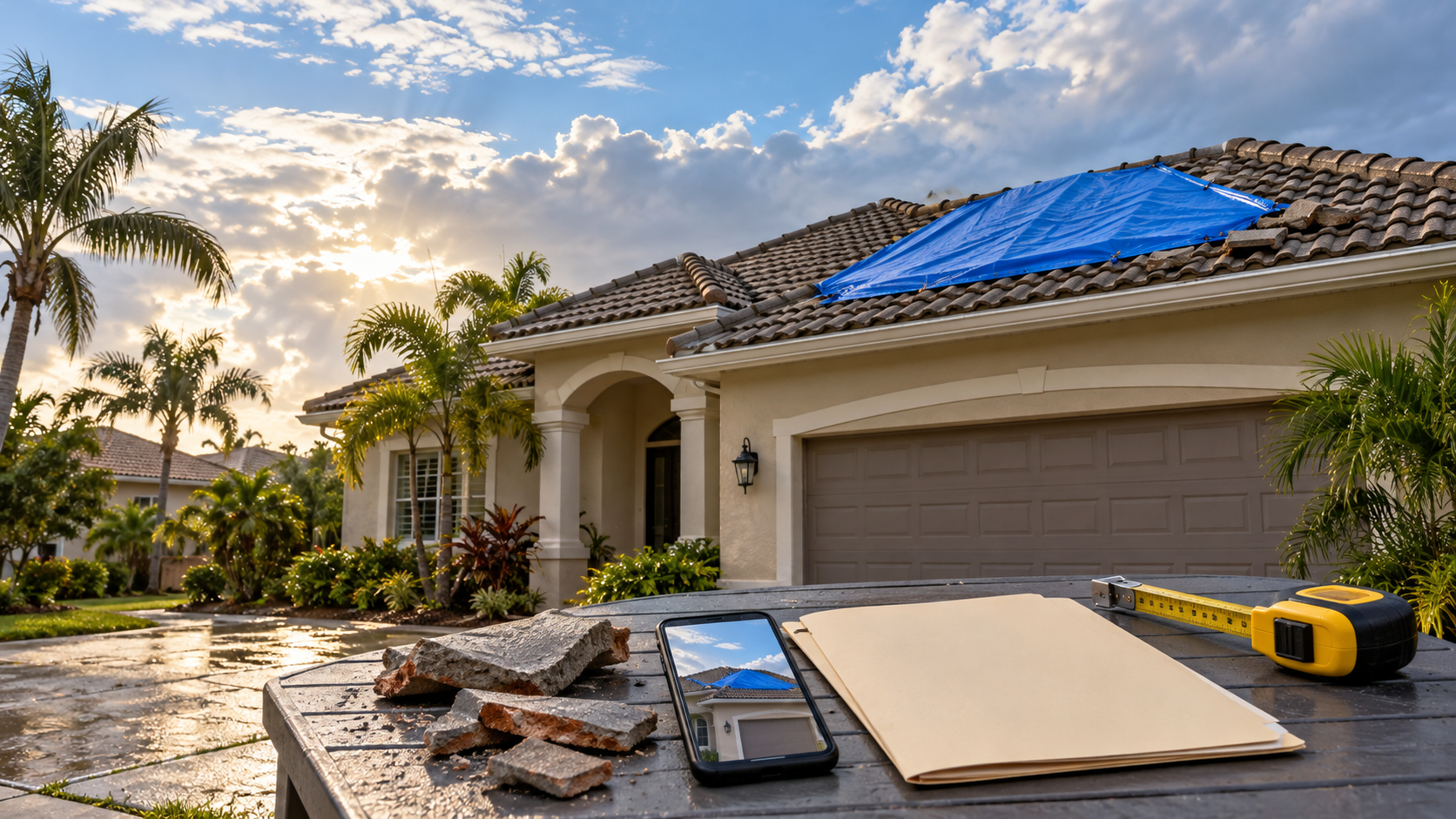
For example, if a windstorm damages your roof and leaves broken roofing materials scattered around your property, reasonable expenses for removing covered debris may be included in the claim, depending on your policy.
However, the same policy may not pay for removing fallen branches from your yard if they did not damage covered property.
The distinction is important because debris removal coverage generally relates to an insured loss rather than routine yard maintenance or general storm cleanup.
Expenses that may qualify under certain policies include:
- Removing damaged roofing materials from a covered storm loss
- Clearing debris from damaged structural components
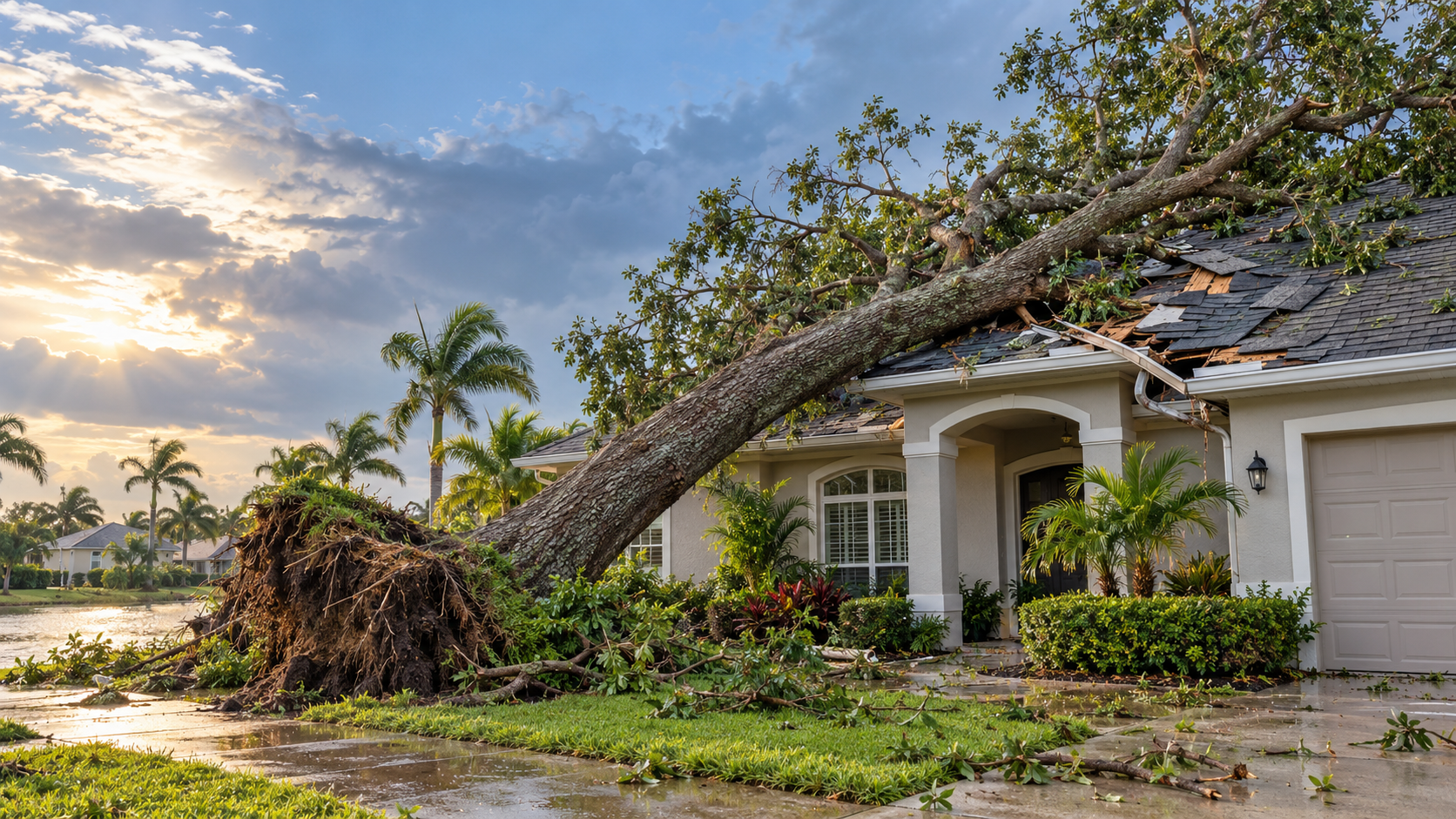
- Removing a fallen tree that damaged an insured building
- Handling covered debris associated with necessary repairs
- Removing damaged property materials when required to complete covered restoration work
At PICC FLA, we recommend reviewing the actual policy and documenting the relationship between the debris and the covered damage before assuming cleanup expenses will be reimbursed.
Does Homeowners Insurance Cover Fallen Tree Removal?
Tree removal coverage depends heavily on where the tree fell and whether it damaged insured property.
For example, a tree that falls onto your home’s roof during a windstorm may create both structural damage and debris removal expenses.
In that situation, your homeowners policy may provide coverage for removing the tree as part of addressing the covered property loss.
However, consider a tree that falls into an open section of your backyard without damaging a building, fence, or other insured property.
The removal expense may not be covered simply because the tree fell during a storm.
Some policies provide limited coverage when a fallen tree blocks a driveway or a main entrance, even when the circumstances differ from a typical structural damage claim.
This is why tree debris removal insurance should be reviewed according to the precise policy provisions.
We recommend documenting where the tree fell, what property it affected, and whether the fallen tree prevents access or creates an immediate hazard.
What Is the Debris Removal Limit in Homeowners Insurance?
A debris removal limit homeowners insurance provision determines how much the insurer may pay toward eligible debris removal expenses.
The limit is not necessarily the same as the amount available for repairing the damaged home.
Some homeowners policies include debris removal expenses within the applicable property coverage limit. Others may provide additional amounts under specific conditions.
Certain policies also establish separate limits for removing fallen trees.
For that reason, homeowners should not assume they have unlimited coverage for debris removal or that every policy provides the same additional allowance.
When reviewing your insurance policy, look for:
- Debris removal coverage provisions
- Additional coverage limits
- Tree removal sublimits
- Applicable deductibles
- Covered causes of loss
- Exclusions or special conditions
- Requirements for documenting expenses
At PICC FLA, our property insurance claim process includes reviewing policy information and identifying the documented scope of damage and repair costs.
You can learn more about our approach through our property insurance claim process.
Can Hurricane Debris Removal Be Included in a Property Insurance Claim?
Yes, a hurricane debris removal claim may include eligible cleanup expenses associated with covered hurricane damage.
Hurricanes can leave behind damaged roofing materials, fallen trees, broken exterior components, and other debris.
For example, hurricane winds may damage roofing materials and scatter them across the property. If the roof damage is covered, qualifying debris removal expenses may be considered as part of the property claim.
However, a hurricane can also cause flooding and storm surge, which are generally excluded from standard homeowners insurance.
Debris resulting solely from excluded flood damage may require separate consideration under an applicable flood insurance policy.
Because hurricanes can cause multiple types of damage, it is important to identify what produced the debris and which insurance coverage may apply.
Our roof damage claim services include claims involving storm damage, fallen trees, debris, and structural damage.
What Should You Do Before Removing Storm Debris?
Your safety should always come first.
Do not attempt to remove trees leaning against structures, handle fallen electrical lines, or enter areas that may be structurally unstable.
When conditions are safe, begin documenting the damage before the cleanup changes the property’s condition.
We recommend taking the following steps:
- Photograph the debris from several angles.
- Record which structures or areas were damaged.
- Document the location of fallen trees and branches.
- Photograph damaged roofing, siding, fencing, and other components.
- Keep copies of emergency cleanup invoices.
- Preserve estimates, receipts, and contractor documentation.
- Notify your insurer promptly and follow applicable policy requirements.
If debris creates an immediate risk of further damage, reasonable emergency action may be necessary. Do not delay urgent safety measures solely to obtain photographs.
Our guide on how to file a homeowners insurance claim explains how early documentation and proper reporting can help property owners organize their claims.
How Do You Document Debris Removal Expenses for Insurance?
Good documentation helps establish what was removed, why removal was necessary, and how much the work cost.
For a debris removal claim, we recommend keeping a clear record of the cleanup work.
Useful documentation includes:
- Photographs before and after removal
- Videos showing storm-related damage
- Itemized cleanup estimates
- Contractor invoices
- Payment receipts
- Descriptions of removed materials
- Records of emergency work
- Property inspection reports
- Insurance correspondence
For example, if a fallen tree damages your roof, the documentation should distinguish the expense of removing the tree from the cost of repairing the roof.
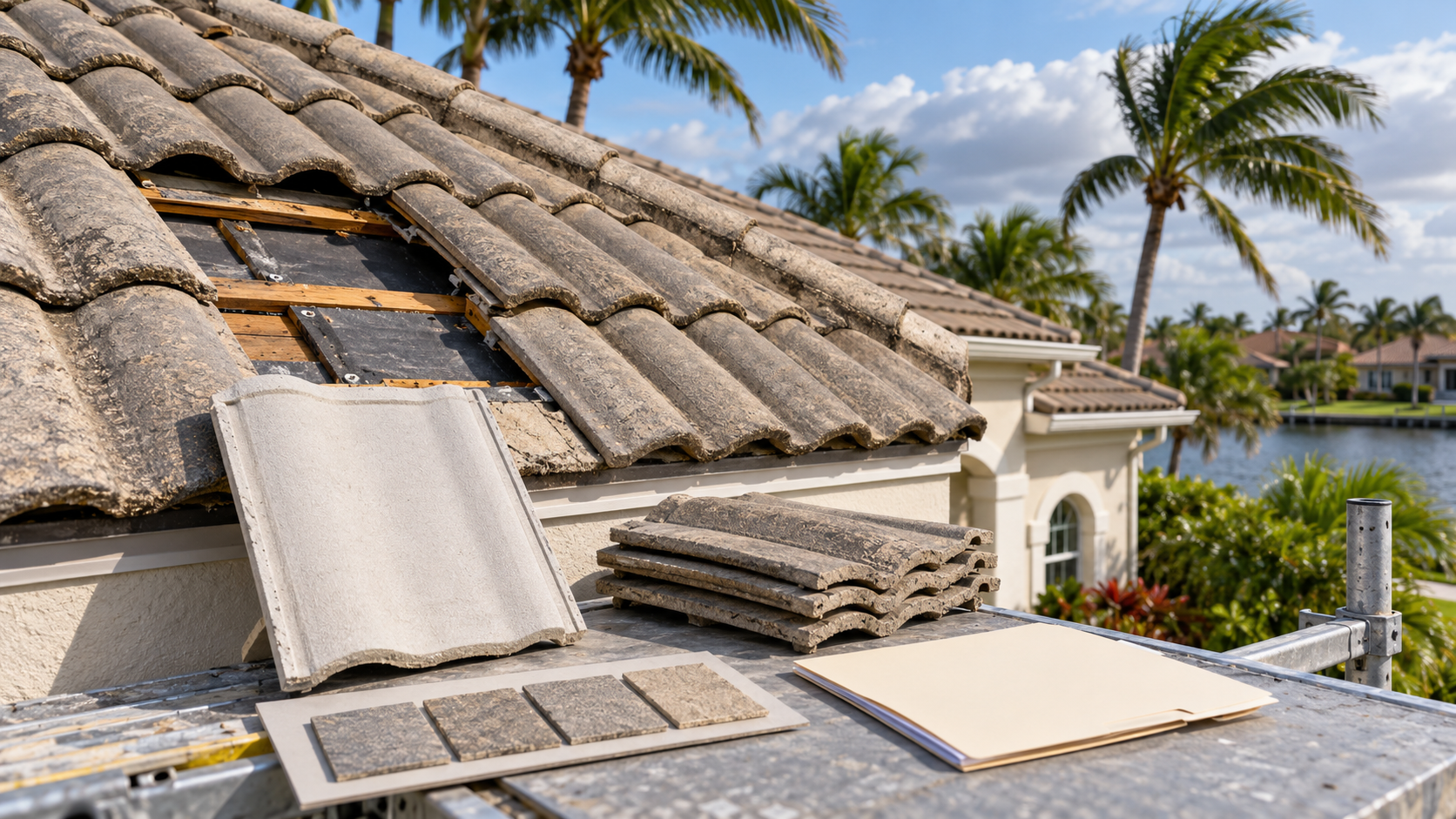
Likewise, if a contractor removes storm-damaged roofing materials during repairs, the estimate should identify the removal work and related expenses.
This information may help clarify whether the cleanup is part of the covered repair scope or subject to a separate limitation.
Our guide on how to read an insurance claim estimate explains why homeowners should review repair operations, materials, quantities, depreciation, and missing items.
How Do You File a Debris Removal Insurance Claim in Florida?
The debris removal claim process generally follows the same documentation and reporting principles as other property insurance claims.
First, identify the storm-related damage and determine which areas require cleanup.
Next, review the insurance policy to understand the coverage provisions and limitations.
Notify your insurer according to the policy’s requirements and provide accurate information about the loss.
During the inspection, identify the debris and explain how it relates to damaged insured property.
Keep records of completed cleanup and any additional work that may be required.
After receiving the insurance estimate, check whether eligible debris removal expenses were included.
If the estimate does not reflect the documented loss, review the differences before requesting further consideration.
Timing also matters. Under Florida law, notice of an initial property insurance claim generally must be given within one year after the date of loss, while notice of a supplemental claim generally must be given within 18 months, subject to applicable statutory exceptions.
Our guide on Florida property insurance claim deadlines explains these notice periods in greater detail.
What If Debris Removal Costs Exceed the Insurance Estimate?
Sometimes the actual cost of debris removal differs from the insurer’s original estimate.
This may happen when additional debris becomes visible, cleanup requires more work than initially expected, or the original estimate does not include certain necessary operations.
However, a higher contractor invoice does not automatically mean the insurer owes the difference.
The additional expense must be evaluated according to the policy, coverage limits, and documented circumstances.
We recommend comparing the insurer’s estimate with the actual cleanup scope and supporting invoices.
If important expenses are missing, identify exactly which operations or amounts were omitted.
Our guide on what to do when an insurance estimate is too low discusses how homeowners can review differences between insurance estimates and documented repair requirements.
Can You Submit Additional Debris Removal Expenses After the Initial Claim?
Potentially, yes.
Sometimes storm debris cannot be fully evaluated until repairs or cleanup begin.
For example, removing a fallen tree may reveal additional damage to roofing materials or structural components that was not visible during the initial inspection.
If additional covered damage or qualifying costs related to the original loss become known, a supplemental property insurance claim may be appropriate.
However, supplemental claims are subject to policy terms, documentation requirements, and Florida’s applicable notice deadlines.
We recommend preserving photographs, invoices, and inspection findings whenever additional work becomes necessary.
Our guide on supplemental insurance claims in Florida explains when additional documentation may be presented after the original claim has been evaluated.
What If Your Debris Removal Insurance Claim Is Denied?
If the insurer denies debris removal expenses, review the stated reason carefully.
A denial may involve the cause of loss, whether insured property was damaged, an applicable coverage limit, or a policy exclusion.
For example, an insurer may determine that fallen branches on an undamaged lawn do not qualify under the policy’s debris removal provisions.
That situation differs from a fallen tree damaging an insured structure.
The important step is understanding exactly what the insurer denied and why.
Compare the decision with the policy, photographs, inspection findings, and cleanup records.
Our guide on what to do when a homeowners insurance claim is denied in Florida explains how property owners can evaluate denial reasons and supporting claim information.
How Can PICC FLA Help With Storm Debris Removal Claims?
At PICC FLA, we represent Florida property owners throughout the property insurance claim process.
Our services include reviewing damage, examining relevant policy information, documenting losses, preparing estimates, communicating with insurers, and negotiating on behalf of policyholders.
When debris removal is associated with covered storm damage, we can review how those expenses relate to the overall property loss.
Depending on the circumstances, we may help identify:
- Damaged structures associated with the debris
- Cleanup expenses related to documented property damage
- Differences between contractor estimates and insurance estimates
- Missing repair or removal operations
- Additional damage discovered during cleanup
- Supporting records needed for further claim evaluation
Our role is to document and present the loss accurately from the policyholder’s perspective. Whether a particular debris removal expense is covered depends on the policy and the facts of the claim.
Which Organizations Support This Debris Removal Insurance Guidance?
Works Cited
Florida Department of Financial Services. “Homeowners Insurance Overview.” Division of Consumer Services, State of Florida. https://www.myfloridacfo.com/division/consumers/understanding-insurance/homeownersinsuranceoverview/. Accessed 13 Oct. 2026.
Florida Legislature. “Notice of Property Insurance Claim.” The Florida Statutes, sec. 627.70132, 2026. https://www.flsenate.gov/Laws/Statutes/2026/627.70132.
Florida Legislature. “Insurer’s Duty to Acknowledge Communications Regarding Claims; Investigation.” The Florida Statutes, sec. 627.70131, 2026.
What Should Florida Homeowners Remember About Debris Removal Insurance?
Storm debris removal may be covered when it is connected to a covered property loss, but not every cleanup expense qualifies for reimbursement.
Fallen trees that damage insured structures, debris from covered roof damage, and necessary cleanup related to covered repairs may qualify under applicable policy provisions.
However, fallen branches or trees that only affect an undamaged yard are often excluded from debris removal coverage unless a specific exception applies.
At PICC FLA, we encourage property owners to document storm damage, review their coverage limits, preserve cleanup receipts, and carefully compare insurance estimates with the actual documented loss.
If storm debris has affected your home or another insured structure, contact PICC FLA to discuss your property insurance claim and how we may be able to assist.