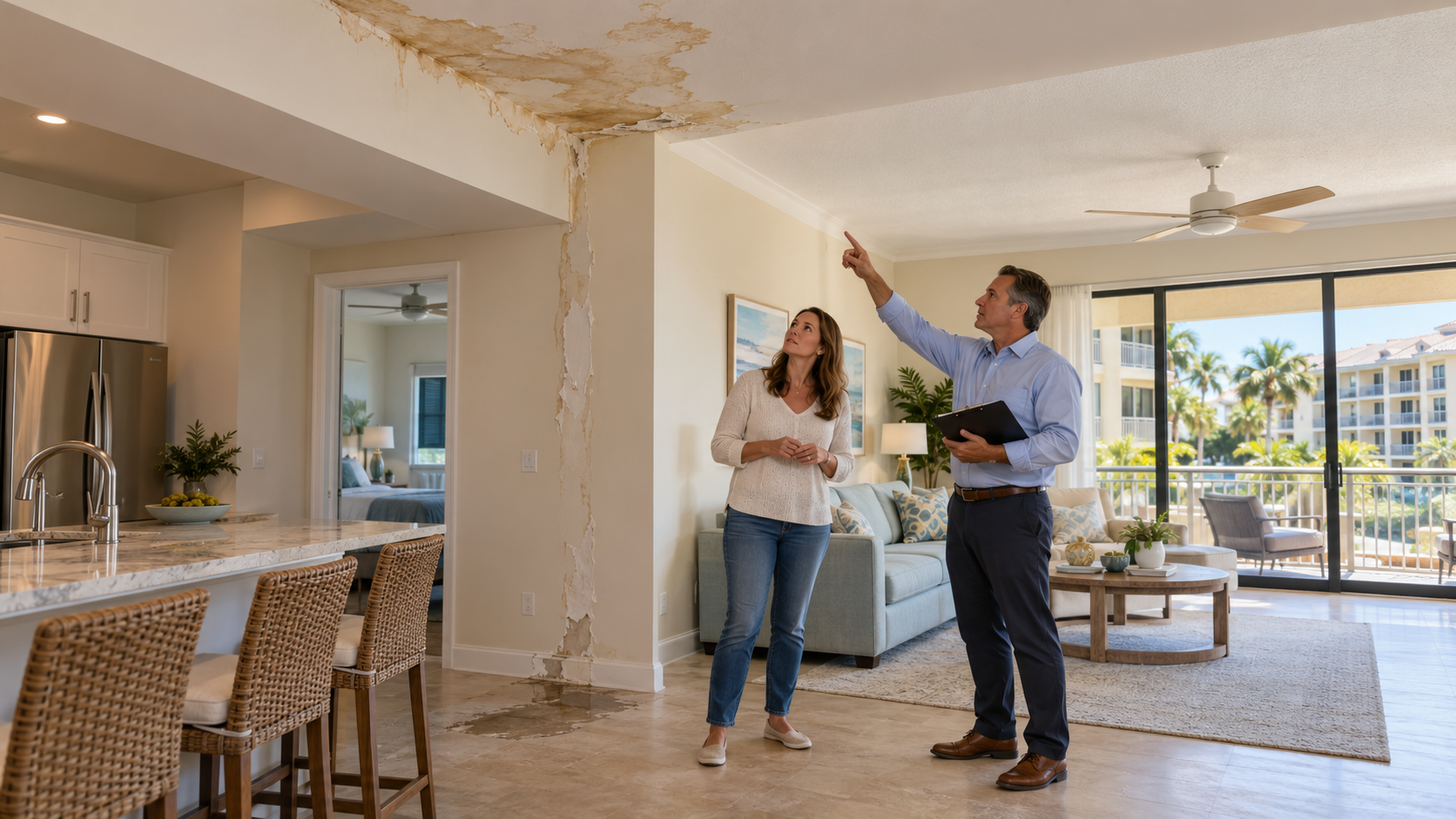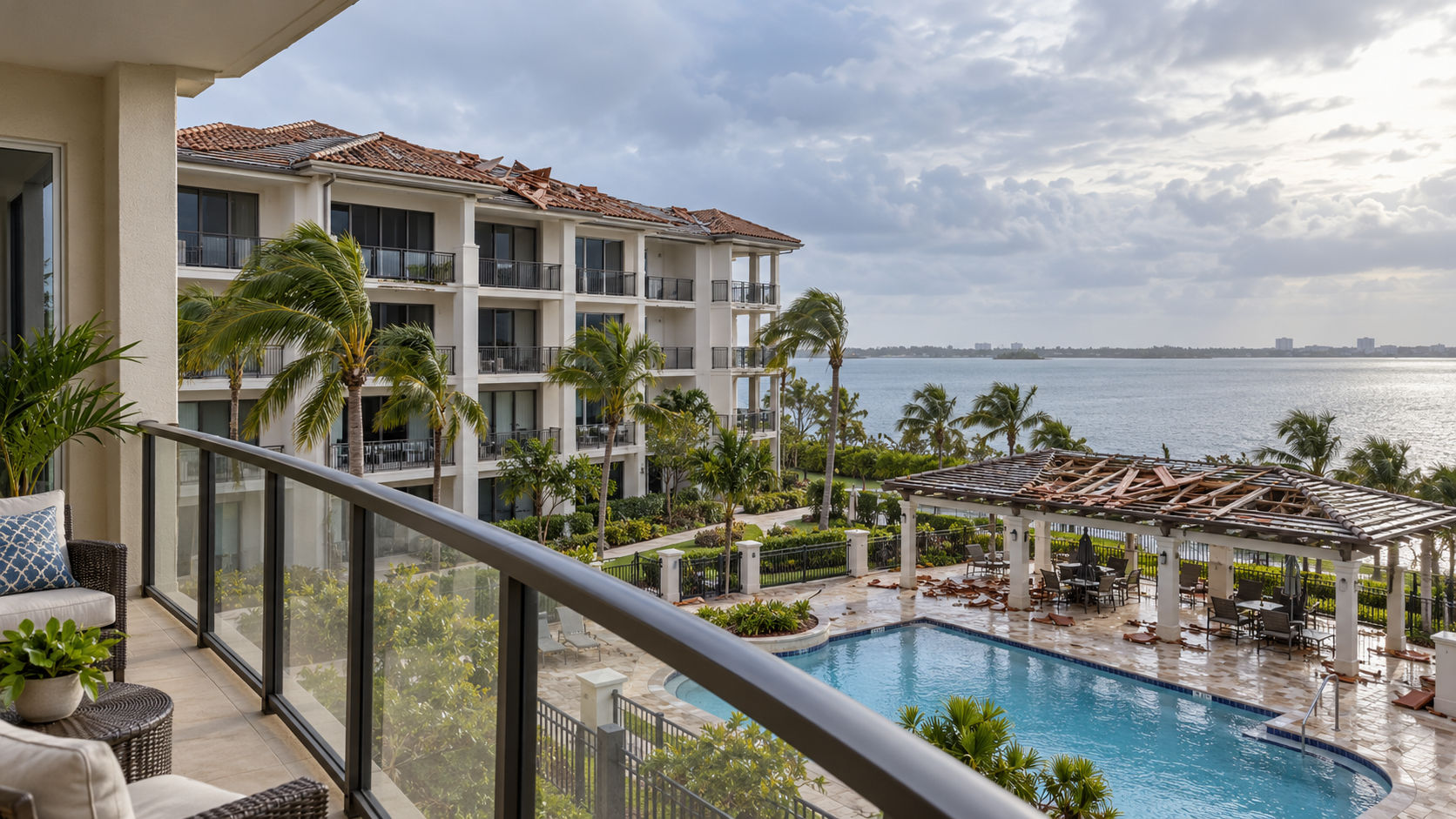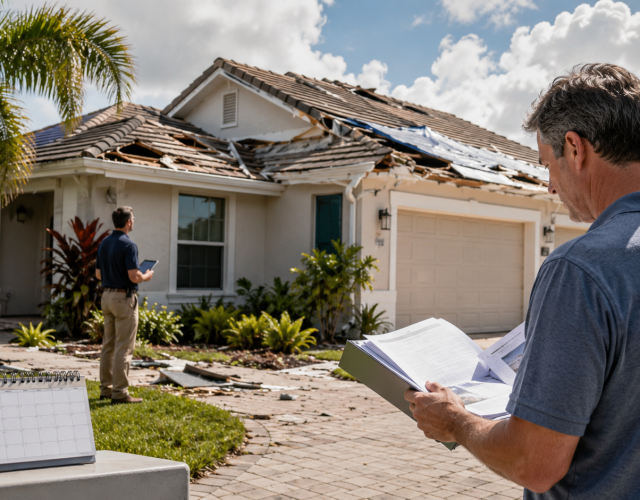
Property damage can turn your daily life upside down. Whether you discover a roof leak after a storm, water damage from a broken pipe, fire damage, mold, or damage to a commercial property, one of the first questions you may ask is how long you have to notify your insurance company.
Under current Florida law, you generally have one year from the date of loss to report an initial or reopened property insurance claim. A supplemental claim generally must be reported within 18 months from the date of loss. These are important legal limits, but they should never be treated as permission to wait.
At piccfla.com, we encourage property owners to begin the property insurance claim process as soon as possible. Early action makes it easier to document the original condition of the property, identify hidden damage, preserve evidence, and comply with the requirements written into the insurance policy.
This guide provides general information about Florida property insurance claim deadlines. Your exact deadline can depend on the type of loss, your policy dates, your policy language, and whether the claim is initial, reopened, or supplemental.
What Is the Property Insurance Claim Deadline in Florida?
The main insurance claim deadline Florida property owners should understand comes from section 627.70132 of the Florida Statutes.
For most property insurance policies governed by this law:
- An initial claim must be reported within one year after the date of loss.
- A reopened claim must be reported within one year after the date of loss.
- A supplemental claim must be reported within 18 months after the date of loss.
A claim may be barred when proper notice is not provided within the applicable period. In practical terms, this means the insurance company may refuse to consider damage reported after the statutory deadline, even when the damage might otherwise have been covered.
The one-year homeowners insurance claim deadline applies to many common losses, including certain roof damage claims, water damage claims, fire losses, wind damage, theft, and storm damage. However, coverage still depends on the terms, limits, conditions, deductibles, and exclusions in your individual policy.
Why Should You Report Property Damage Immediately?
The legal property damage claim deadline is an outside limit, not a recommended waiting period.
Most insurance policies require the policyholder to provide prompt notice or notice as soon as reasonably possible after discovering a loss. Your policy may also require you to protect the property from additional damage, cooperate with the investigation, provide requested records, and submit a sworn proof of loss when requested.
Waiting several weeks or months can create avoidable problems. During a delay:
- Water can spread into walls, floors, cabinets, or insulation.
- Mold can develop after unresolved moisture intrusion.
- Temporary repairs may cover or alter important evidence.
- Damaged materials may be removed before they are documented.
- Witnesses may forget what they observed.
- Receipts, photographs, and other records may be lost.
- The insurance company may question when or how the damage occurred.
For example, after a plumbing failure, the visible water may be removed quickly, but moisture can remain beneath flooring or inside walls. Our mold damage claim services address losses in which visible and hidden conditions may need detailed documentation.
The safest approach is to document the property and seek guidance as soon as you become aware of possible covered damage.
What Is the Difference Between an Initial, Reopened, and Supplemental Claim?
Understanding the type of claim involved is essential because different deadlines may apply.
What Is an Initial Property Insurance Claim?
An initial claim is the first notice you provide to the insurance company concerning a particular loss.
For example, if a storm damages your roof and causes water to enter your home, the first report of that event is the initial claim. Under current Florida law, that notice generally must be provided within one year after the date of loss.
Do not wait until you know the complete cost of repairs before reporting the loss. Initial notice can be provided while inspections, estimates, inventories, and other documentation are still being prepared.
What Is a Reopened Property Insurance Claim?
A reopened claim is a claim that the insurance company previously closed but that the policyholder asks to reopen for additional costs involving damage that was already disclosed.
Suppose the insurance company closes a claim after paying for limited repairs. During the repair process, you learn that the damage previously reported will cost more to correct than originally estimated. You may need to request that the closed claim be reopened.
Florida law generally places reopened claims within the one-year notice period. If you are considering reopening an older file, review our information about reopening a closed insurance claim and act promptly.
What Is a Supplemental Property Insurance Claim?
A supplemental claim involves additional loss or damage from the same event that the insurance company previously adjusted, or additional costs incurred while repairs or replacement are being completed under an open and timely reported claim.
For example, a contractor may remove damaged roofing and discover additional covered deterioration beneath the surface. If the new findings relate to the same covered event, they may support a supplemental claim.
Florida’s general deadline for notifying the insurer of a supplemental claim is 18 months from the date of loss. This extra six-month period does not mean you should delay reporting newly discovered damage. Notice should be provided as soon as additional damage or costs become known.
How Is the Date of Loss Determined After a Florida Storm?
For sudden events such as a broken pipe, fire, theft, or impact damage, the date of loss is usually the date the damaging event occurred.
Weather-related losses can require special attention. Florida law states that for claims resulting from hurricanes, windstorms, severe rain, or other weather-related events, the date of loss is based on the hurricane’s landfall date or the date the weather event is officially verified.
This rule matters because the one-year and 18-month filing periods are calculated from the date of loss, not necessarily the date when you first notice every part of the damage.
After a major storm, inspect the property carefully and document anything unusual. Our hurricane damage claim assistance focuses on documenting storm-related damage, reviewing the loss, and helping policyholders move through the claim process.
Do Different Property Claims Have Different Deadlines?
Yes. Although the general rule is one year for initial or reopened claims and 18 months for supplemental claims, some losses may follow different requirements.
Do Sinkhole Claims Have a Different Deadline?
Florida law has a separate provision for policies that provide sinkhole coverage. A sinkhole claim, including an initial, supplemental, or reopened claim, is generally barred unless notice is provided within two years after the policyholder knew or reasonably should have known about the sinkhole loss.
Do Condominium Loss Assessments Have Different Rules?
Loss assessment coverage may also have a special deadline. Florida law generally requires notice by the later of:
- One year after the covered loss, or
- Ninety days after the condominium association or governing board votes to impose the assessment.
However, notice generally cannot be provided later than three years after the underlying date of loss.
Can Older Policies Follow Previous Deadlines?
Possibly. Florida’s current one-year and 18-month periods resulted from changes that took effect in December 2022. The application of those changes can depend on when the insurance contract was issued or renewed.
A loss involving an older policy may be subject to a previous version of the law. This is one reason property owners should avoid assuming that a deadline found in an older article applies to their current claim.
Can a Separate Flood Policy Follow Different Requirements?
Yes. Flood damage may be insured under a separate policy with its own notice, documentation, and proof-of-loss requirements. Do not assume that the homeowners insurance claim deadline automatically controls every flood-related claim.
You can review the types of property damage claims we handle, but each policy must still be reviewed individually to determine what coverage and deadlines apply.
What Should You Do Immediately After Discovering Property Damage?
Your first priority should always be personal safety. Once it is safe to enter or inspect the property, take practical steps to protect the claim.
- Record the date and circumstances. Write down when the damage occurred, when it was discovered, and what you observed.
- Take photographs and videos. Capture wide views, close views, damaged belongings, affected rooms, exterior conditions, and the possible source of the damage.
- Prevent additional damage. Shut off leaking water, cover exposed openings, or take other reasonable temporary measures when it is safe to do so.
- Avoid unnecessary permanent repairs. Emergency action may be necessary, but document the original damage before permanently altering or removing materials.
- Save damaged items when practical. Do not immediately discard materials that may help establish the cause or extent of the loss.
- Keep receipts and invoices. Preserve records for temporary repairs, emergency services, lodging, storage, cleanup, and related expenses.
- Review the insurance policy. Pay attention to notice requirements, deductibles, exclusions, duties after loss, proof-of-loss requirements, and coverage limits.
- Get professional claim guidance. A public adjuster can inspect the property, estimate repair costs, help prepare the claim, and communicate with the insurance company on the policyholder’s behalf.
For fire-related losses, our fire damage claim assistance focuses on identifying and documenting structural, smoke, soot, contents, and related damage.
What Happens After You File the Insurance Claim?
Filing notice starts the insurance company’s claim-handling process. For claims covered by Florida’s statutory response requirements, the insurer generally must acknowledge a claim communication within seven calendar days, unless payment is made within that time or circumstances beyond its control prevent acknowledgment.
If the insurer receives a proof-of-loss statement and a physical inspection is needed, the inspection generally must occur within 30 days. The insurer must also provide the policyholder with a copy of a detailed estimate prepared by its adjuster within seven days after the estimate is generated.
For applicable initial, reopened, and supplemental property claims, the insurer generally must pay or deny the claim, or a portion of it, within 60 days after receiving notice. Exceptions and tolling periods can apply, including certain delays caused by missing material information, mediation, or circumstances beyond the insurer’s control.
Keep a written claim timeline that includes:
- The date notice was submitted
- The claim number
- The names of adjusters
- Inspection dates
- Documents requested and submitted
- Estimates received
- Payments issued
- Denial or partial-denial letters
- Every important phone call, email, and letter
How Can We Help Protect Your Property Insurance Claim?
At piccfla.com, we work for the policyholder, not the insurance company. Our role is to help document, assess, prepare, present, and negotiate property insurance claims.
Depending on the circumstances, our work may include:
- Reviewing the insurance policy
- Inspecting visible and hidden damage
- Preparing repair estimates
- Documenting damaged property
- Organizing claim records
- Communicating with the insurance company
- Meeting the insurance company’s adjuster
- Presenting additional damage or costs
- Negotiating the claim based on documented loss
We assist homeowners, condominium owners, landlords, and business owners with residential and commercial property insurance claims. Public adjusters represent the policyholder throughout the claim process rather than representing the insurance company.
We can also review an underpaid property damage claim when the payment does not appear to reflect the documented scope or cost of covered repairs.
What Should You Do If the Filing Deadline May Have Passed?
Do not assume that nothing can be done until the policy, loss date, claim history, and applicable law have been reviewed.
Important questions include:
- Was the insurance company previously notified?
- Was the claim opened and later closed?
- Was the additional damage previously disclosed?
- Is the request an initial, reopened, or supplemental claim?
- When was the policy issued or renewed?
- Does a special rule apply to the type of loss?
- Did a deployment-related tolling provision apply?
- Was the date of loss correctly identified?
- Does the policy contain a separate notice requirement?
A lawsuit deadline is not the same as a claim-notice deadline. The existence of a separate period for bringing a legal action does not provide additional time to report a claim that is already barred by the notice statute. Property owners facing a possible missed deadline should obtain appropriate professional guidance immediately.
Which Organizations Support This Information?
Florida Department of Financial Services. “Homeowners Insurance.” Division of Consumer Services, accessed 28 July 2026.
Florida Legislature. “Section 95.11, Limitations Other Than for the Recovery of Real Property.” Florida Statutes, 2025, accessed 28 July 2026.
Florida Legislature. “Section 627.70131, Insurer’s Duty to Acknowledge Communications Regarding Claims; Investigation.” Florida Statutes, 2025, accessed 28 July 2026.
Florida Legislature. “Section 627.70132, Notice of Property Insurance Claim.” Florida Statutes, 2025, accessed 28 July 2026.
Florida Legislature. “Section 627.706, Sinkhole Insurance; Catastrophic Ground Cover Collapse; Definitions.” Florida Statutes, 2025, accessed 28 July 2026.
Florida Office of Insurance Regulation. “Implementation of Items Relating to Prompt Payment of Claims, Claims Investigations, Claims Records and Claim Filing Deadlines.” 1 Mar. 2023, accessed 28 July 2026.