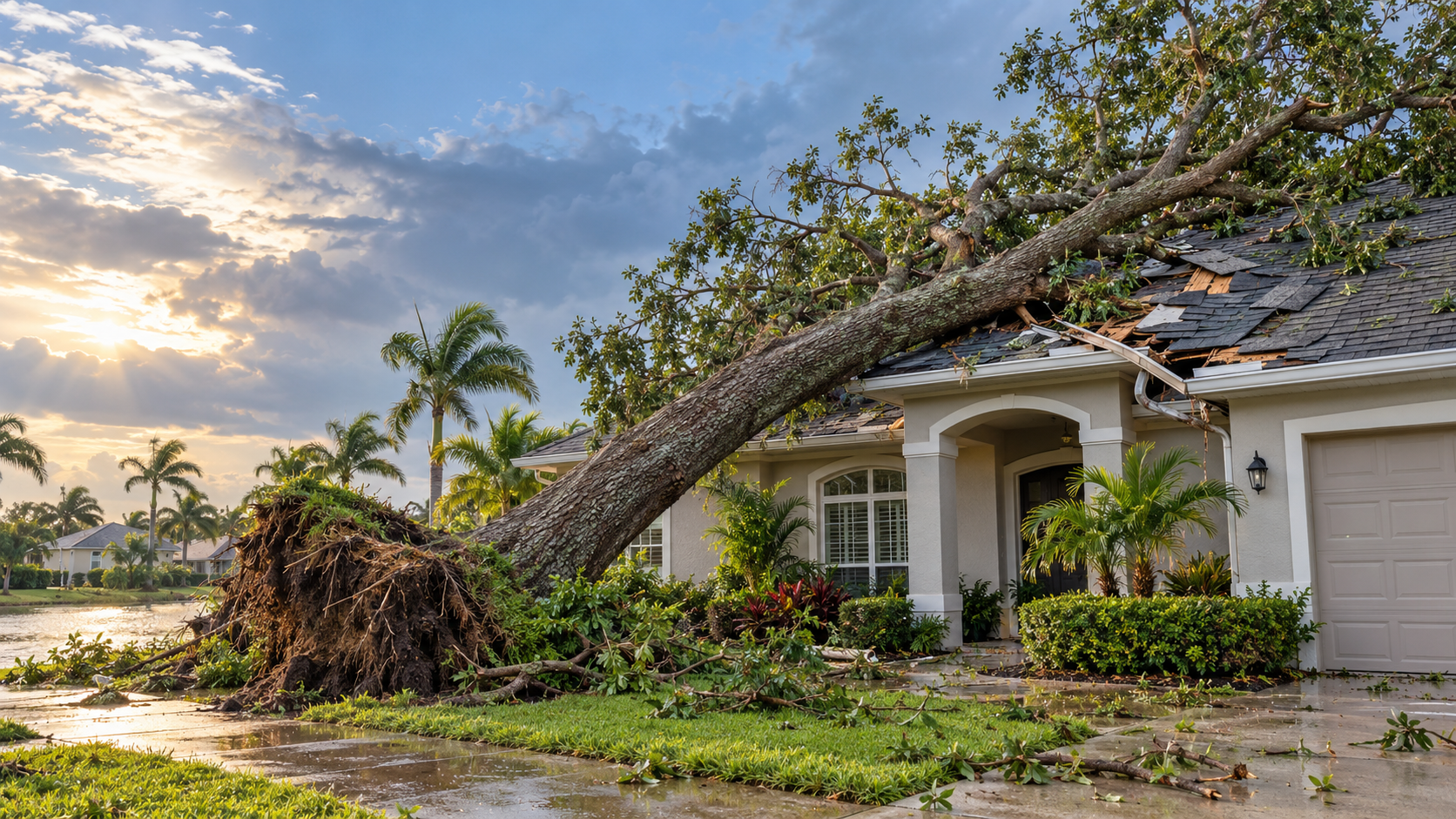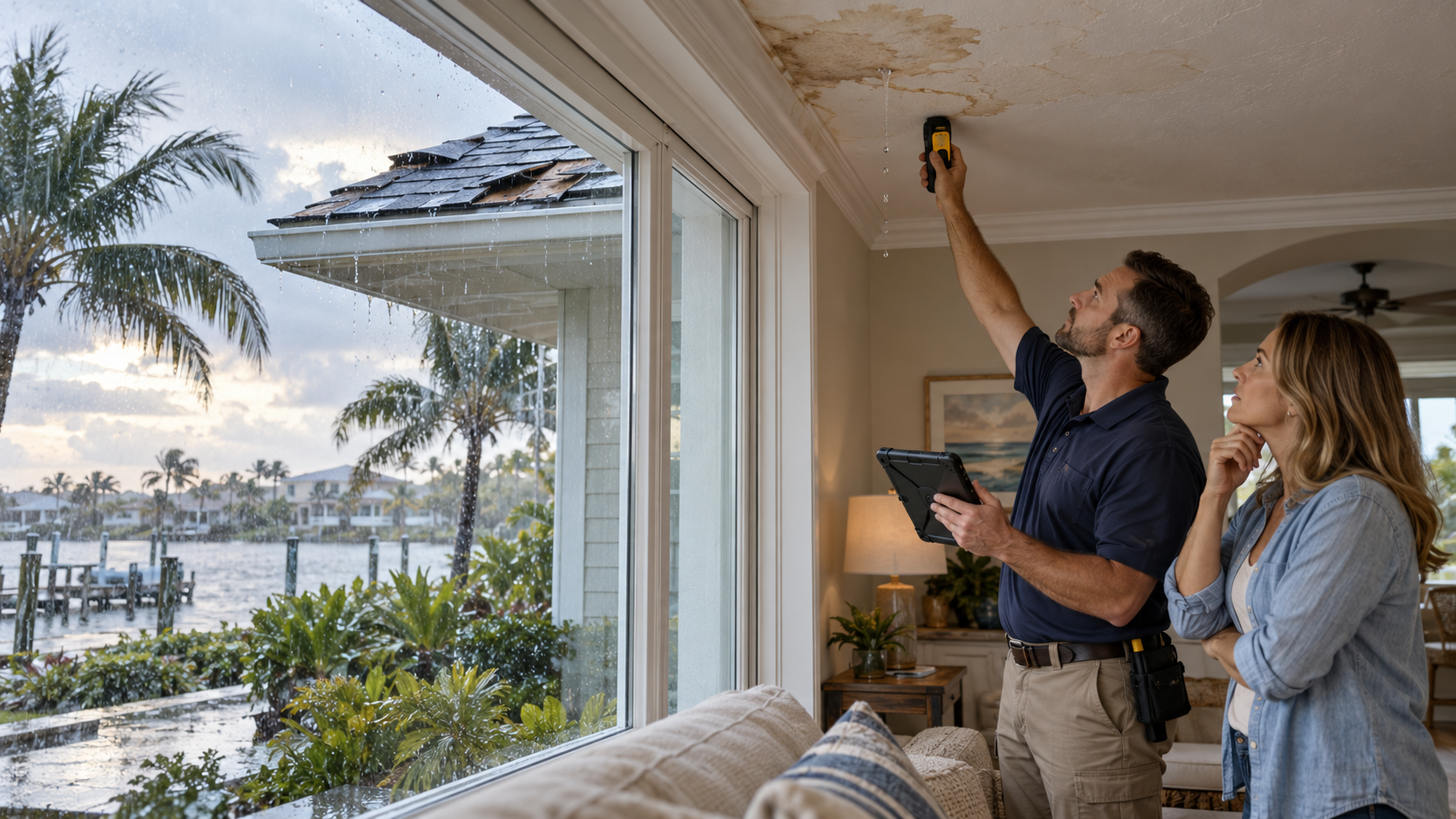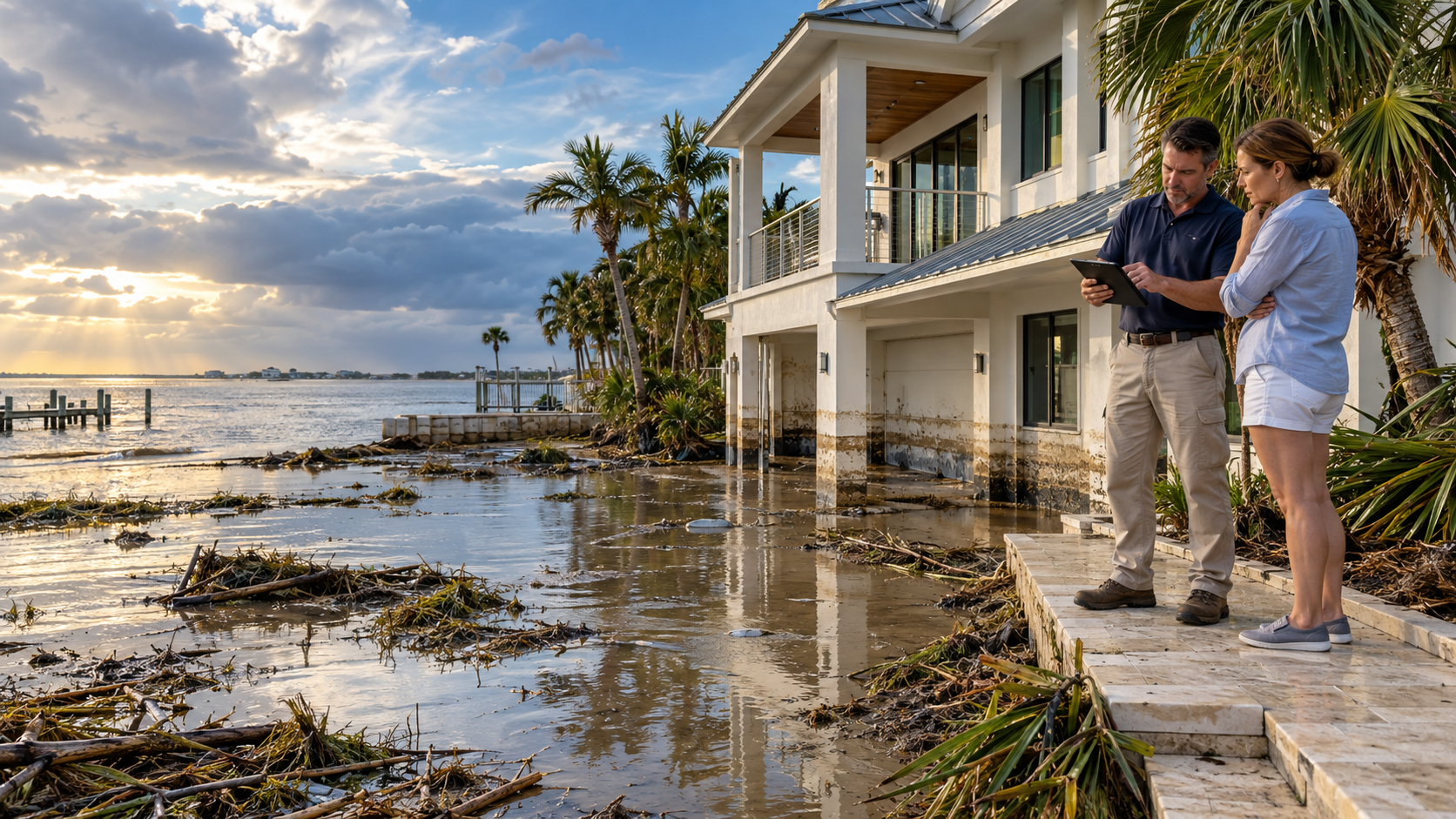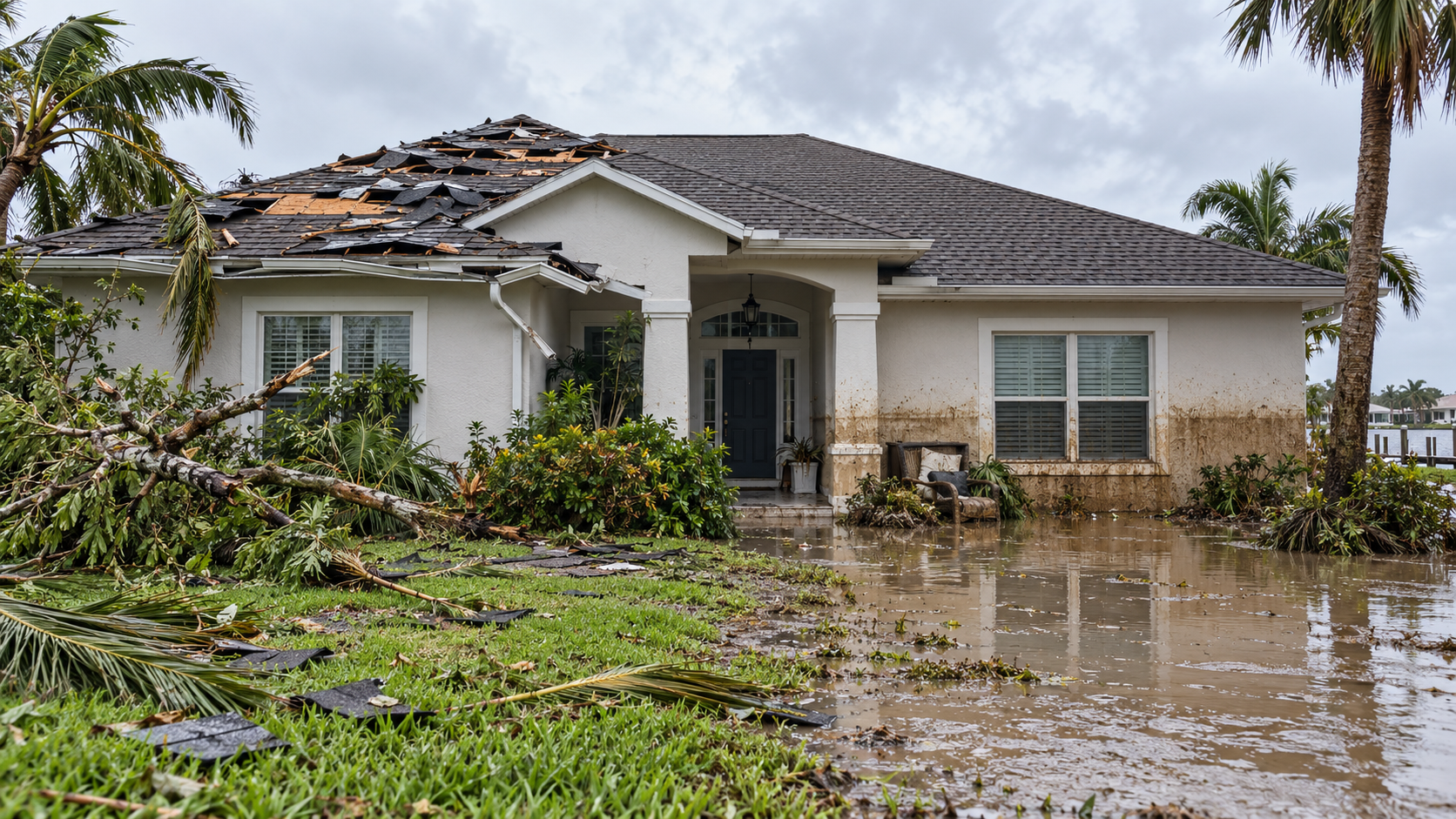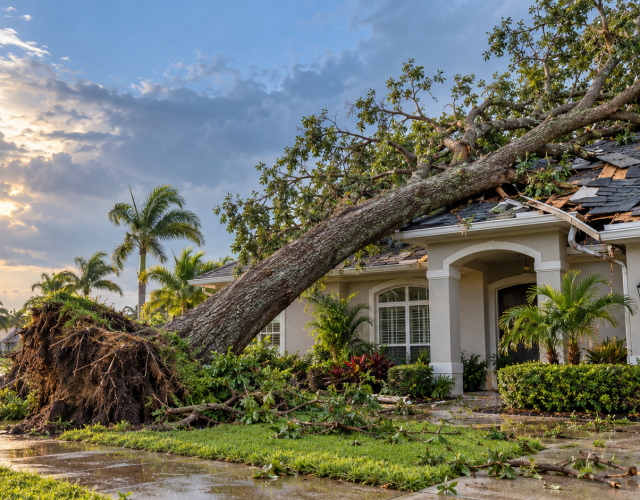
A severe Florida storm can turn a healthy-looking tree into a major property loss in seconds. Heavy wind, hurricanes, lightning, and other weather events can send a tree or large branch onto a roof, garage, fence, or another part of a property.
That usually leaves homeowners with an urgent question: Does homeowners insurance cover a fallen tree?
The answer depends on what caused the tree to fall, what it damaged, and what your specific policy covers.
In many situations, homeowners insurance can cover damage to insured property when a tree falls because of a covered event. Tree and debris removal may also be covered when the fallen tree damages insured property, although policy limits can apply.
At PICC FLA, we assist Florida homeowners with property claims involving fallen objects, wind damage, hurricanes and storms, roof damage, and other property losses within the scope of our services.
When a tree damages a home, we focus on documenting the full property loss, reviewing relevant claim and policy information, and helping the policyholder navigate the insurance claim process.
When Can Fallen Tree Homeowners Insurance Coverage Apply?
Coverage starts with the cause of the loss and the terms of your policy.
Homeowners policies protect against certain covered causes of property damage, but policies vary. That means a fallen tree should not automatically be assumed to be covered simply because it damaged your property.
The circumstances need to be evaluated.
For example, a tree could fall during:
- A hurricane
- A windstorm
- A severe thunderstorm
- A lightning event
- Another covered weather event
If the cause of the loss is covered under the applicable policy, damage to the insured home may qualify for coverage, subject to the deductible, exclusions, limits, and other policy provisions.
Florida’s insurance consumer guidance specifically uses the example of a tree struck by lightning during a storm and falling onto a house, damaging the roof, as a situation in which homeowners insurance can provide financial protection for the repairs.
At PICC FLA, our residential insurance claim services include assistance for homeowners dealing with different forms of property damage.
What Happens When a Tree Falls on Your House?
When homeowners search for tree fell on house insurance, they are often dealing with more than the tree itself.
A large tree can damage several components simultaneously.
Depending on where and how it lands, damage may involve:
- Roofing materials
- Roof decking
- Rafters or structural components
- Gutters
- Windows
- Exterior walls
- Doors
- Interior ceilings
- Insulation
- Drywall
- Flooring
- Personal belongings
A tree may also create an opening in the structure that allows rain to enter.
This means the claim may involve both the initial impact damage and additional resulting property damage, depending on the policy and circumstances.
Our roof damage claim services specifically address storm and hurricane damage involving fallen trees and debris, as well as fallen debris and structural collapse.
We recommend documenting more than the obvious point where the tree struck the property. Damage can extend beyond what is immediately visible from the ground.
Does Insurance Cover a Neighbor’s Tree Falling on Your House?
Potentially, yes.
One of the biggest misconceptions about neighbor tree damage insurance is that the owner of the tree automatically pays whenever their tree falls onto another person’s house.
That is not necessarily how the claim works.
Florida consumer guidance explains that if a tree from one homeowner’s yard falls onto a neighbor’s home during a hurricane, the neighbor’s homeowners policy generally covers damage to the neighbor’s house unless the tree owner is legally liable for the damage.
In other words, ownership of the tree does not by itself determine which property policy responds to the physical damage.
The cause of the loss, applicable coverage, and circumstances surrounding the tree can all matter.
If your neighbor’s tree falls onto your home, document the damage carefully and review your own homeowners policy rather than assuming you cannot make a property claim because the tree originated elsewhere.
Is a Neighbor Automatically Responsible for Tree Damage?
No.
A tree being located on your neighbor’s property does not automatically make your neighbor legally responsible when it falls.
Liability is a separate question from whether your homeowners policy provides coverage for damage to your property.
For example, a healthy tree may fall unexpectedly during a severe storm. That presents a different situation from circumstances where questions about negligence or legal liability arise.
We do not recommend assuming liability based only on where the tree grew.
At PICC FLA, our role as public adjusters is to represent policyholders in property insurance claims. Questions involving legal liability can extend beyond the scope of a property damage adjustment and may require appropriate legal guidance.
For the property claim itself, the immediate priorities are documenting the damage, preventing additional loss, reviewing the applicable policy, and properly presenting the claim.
Does Fallen Tree Removal Insurance Pay to Remove the Tree?
Sometimes, but an important distinction applies.
According to Florida insurance consumer guidance, most policies provide debris and tree removal coverage when a downed tree damages insured property, regardless of who owns the tree. However, policies commonly place limits on the amount payable for removal.
If a tree simply falls into the yard without damaging covered property, debris removal may not be covered.
Some policies may provide tree or debris removal coverage when a fallen tree blocks the property’s main entrance.
This is why fallen tree removal insurance should not be treated as unlimited landscaping or cleanup coverage.
Your specific policy determines what is covered and how much may be available.
If a tree has damaged the house, photograph its position before removal whenever safely possible. The photographs can help preserve evidence of where the tree landed and what property it affected.
What Should You Do Immediately After a Tree Falls on Your House?
Safety should always come first.
Do not climb onto a damaged roof or enter an area that appears structurally unstable. Fallen trees can damage structural components and electrical systems, and branches may remain unstable after the initial impact.
Once immediate safety concerns have been addressed, begin documenting the property.
Helpful steps include:
- Photographing the tree before removal
- Taking wide photographs showing where the tree landed
- Photographing roof and structural damage
- Recording interior ceiling and wall damage
- Documenting broken windows and doors
- Photographing damaged personal property
- Taking videos of affected areas
- Saving emergency repair receipts
- Keeping tree-removal invoices
- Preserving claim correspondence and estimates
Reasonable emergency measures may also be needed to prevent additional damage.
For example, a damaged roof may need temporary protection to prevent additional water intrusion.
Our guide explaining how to file a homeowners insurance claim discusses why documenting damage before cleanup or permanent repairs can be important.
Why Should You Document the Tree Before It Is Removed?
A fallen tree can be both a safety hazard and an important piece of evidence.
In many cases, emergency removal cannot wait. That is understandable, particularly when a tree is creating an immediate safety problem or preventing necessary temporary repairs.
Whenever it is safe and practical, photograph and video the scene before major cleanup begins.
Try to capture:
- The entire tree
- Where the tree originated
- Where it landed
- The point of impact
- Damaged roofing
- Damaged exterior components
- Structural openings
- Fallen branches
- Interior damage beneath the impact area
After removal, continue documenting the newly exposed damage.
The condition underneath a fallen tree may reveal additional roof or structural damage that could not be seen beforehand.
At PICC FLA, our property insurance claim process emphasizes documenting property conditions and taking reasonable measures to limit additional losses after property damage occurs.
Can a Fallen Tree Cause Hidden Property Damage?
Yes.
A tree does not have to collapse an entire roof for the loss to be significant.
Impact can affect roofing materials, decking, framing, flashing, gutters, windows, walls, and other components. Rain may also enter through an opening created by the impact.
Some damage may become clearer only after the tree is removed or damaged materials are opened during repairs.
That is why an initial visual inspection should not automatically be treated as proof that every affected component has been identified.
If additional damage related to the same loss becomes apparent later, document it promptly.
Our guide to supplemental insurance claims explains how additional covered damage or repair costs associated with an existing property loss may sometimes need to be presented after the original adjustment.
What Happens After the Insurance Adjuster Inspects the Tree Damage?
The inspection is an important part of the claim, but it does not necessarily mean the claim is finished.
The insurer still needs to evaluate the information collected, apply the terms of the policy, determine the scope of covered damage, and calculate its evaluation of the loss.
Depending on the circumstances, the homeowner may later receive an estimate, payment, request for additional documentation, partial payment, or coverage decision.
When you receive an estimate, review what it actually includes.
Our guide explaining what happens after an insurance adjuster inspects your home recommends looking carefully at the damaged areas, materials, repair quantities, replacement quantities, deductible, depreciation, and anything excluded from the estimate.
For a fallen-tree claim, check whether all documented areas affected by the impact have been considered.
What If the Insurance Estimate Does Not Include All the Tree Damage?
Do not evaluate the claim solely by looking at the final payment amount.
Review the scope of the estimate.
If a tree damaged the roof, exterior wall, interior ceiling, and other components, determine whether each documented area appears in the estimate.
Our guide on how to read an insurance claim estimate explains why homeowners should review individual repair items, quantities, labor, materials, depreciation, deductibles, and potentially missing damage.
If the estimate appears too low, identify where the differences occur.
Our resource explaining what happens when you disagree with the insurance company’s estimate discusses how differences in repair scope, quantities, pricing, depreciation, and omitted damage can affect an insurance estimate.
Not every disagreement means additional coverage or payment is owed. The policy and documented facts of the loss still control.
What If Your Fallen Tree Claim Is Denied?
A denial should be reviewed carefully rather than interpreted only by its final conclusion.
Determine why the insurer says the claim is not covered.
The insurer may dispute the cause of damage, rely on a policy exclusion, question whether certain damage resulted from the reported event, or reach another coverage determination based on its investigation.
Our guide on what to do when a homeowners insurance claim is denied in Florida explains why homeowners should review the policy, denial explanation, photographs, inspection findings, repair information, and other supporting documentation.
At PICC FLA, we can review property damage and available claim information from the policyholder’s perspective within our public adjusting services.
How Can PICC FLA Help With a Fallen Tree Insurance Claim?
At PICC FLA, we represent policyholders during property insurance claims.
Our published services include residential and commercial property claims involving fallen objects, wind damage, hurricanes and storms, roof damage, and other covered property losses.
When a fallen tree damages a home, our work can include inspecting and documenting the property, reviewing available policy and claim information, preparing estimates and supporting documentation when appropriate, communicating regarding the claim, and negotiating from the policyholder’s perspective.
A fallen tree can create more damage than homeowners initially see.
Our goal is to document the loss carefully so the claim can be evaluated based on the policy and evidence available.
Which Organizations Support This Fallen Tree Insurance Guidance?
Florida Department of Financial Services. “Homeowners Insurance Overview.” Division of Consumer Services, Florida Department of Financial Services. The Department explains that most insurance policies provide debris and tree removal coverage when a downed tree damages insured property regardless of who owns the tree, subject to policy limits, while a tree falling on the ground without damaging covered property generally does not receive the same debris-removal coverage.
Florida Department of Financial Services. “General Insurance Coverage FAQs.” Division of Consumer Services, Florida Department of Financial Services. The Department explains that when a homeowner’s tree falls onto a neighbor’s home during a hurricane, the neighbor’s homeowners policy generally handles damage to the neighbor’s house unless the tree owner is legally liable.
Office of the Insurance Consumer Advocate. “Be Your Own Advocate.” Florida Department of Financial Services. The Office advises homeowners that policies commonly contain specific amounts for tree and debris removal and that the available amount may not necessarily cover the entire cleanup cost.
What Should You Remember About Fallen Tree Homeowners Insurance?
The most important point is that fallen tree homeowners insurance coverage is based on more than simply who owns the tree.
If a tree falls onto your home because of a covered event, your homeowners policy may provide coverage for resulting insured property damage, subject to the policy’s terms, limits, exclusions, and deductible.
If your neighbor’s tree damages your home, do not automatically assume your neighbor must pay for the damage. Your homeowners policy may be the policy that responds to your property damage, while liability is a separate issue.
Fallen tree removal insurance also has important limits. Coverage is commonly available when the tree damages insured property, while a tree simply lying in the yard without damaging covered property may not qualify for removal coverage.
When a tree damages your home, document the scene before cleanup whenever safely possible. Photograph the impact point, exterior damage, interior damage, and additional damage revealed during removal.
At PICC FLA, we help Florida homeowners document and navigate property insurance claims involving fallen objects, roofs, wind, hurricanes, storms, and other property losses within our scope of public adjusting services.