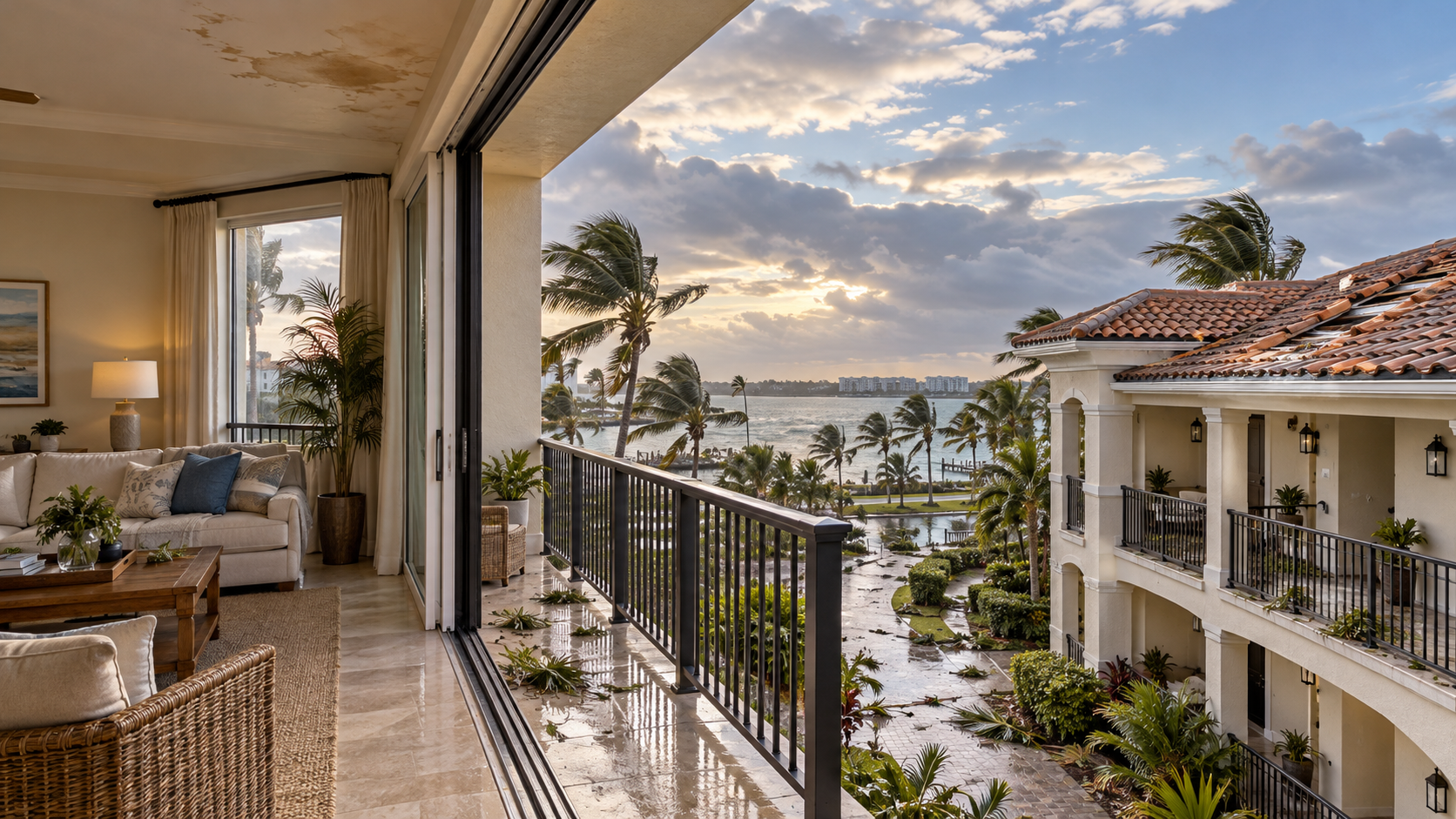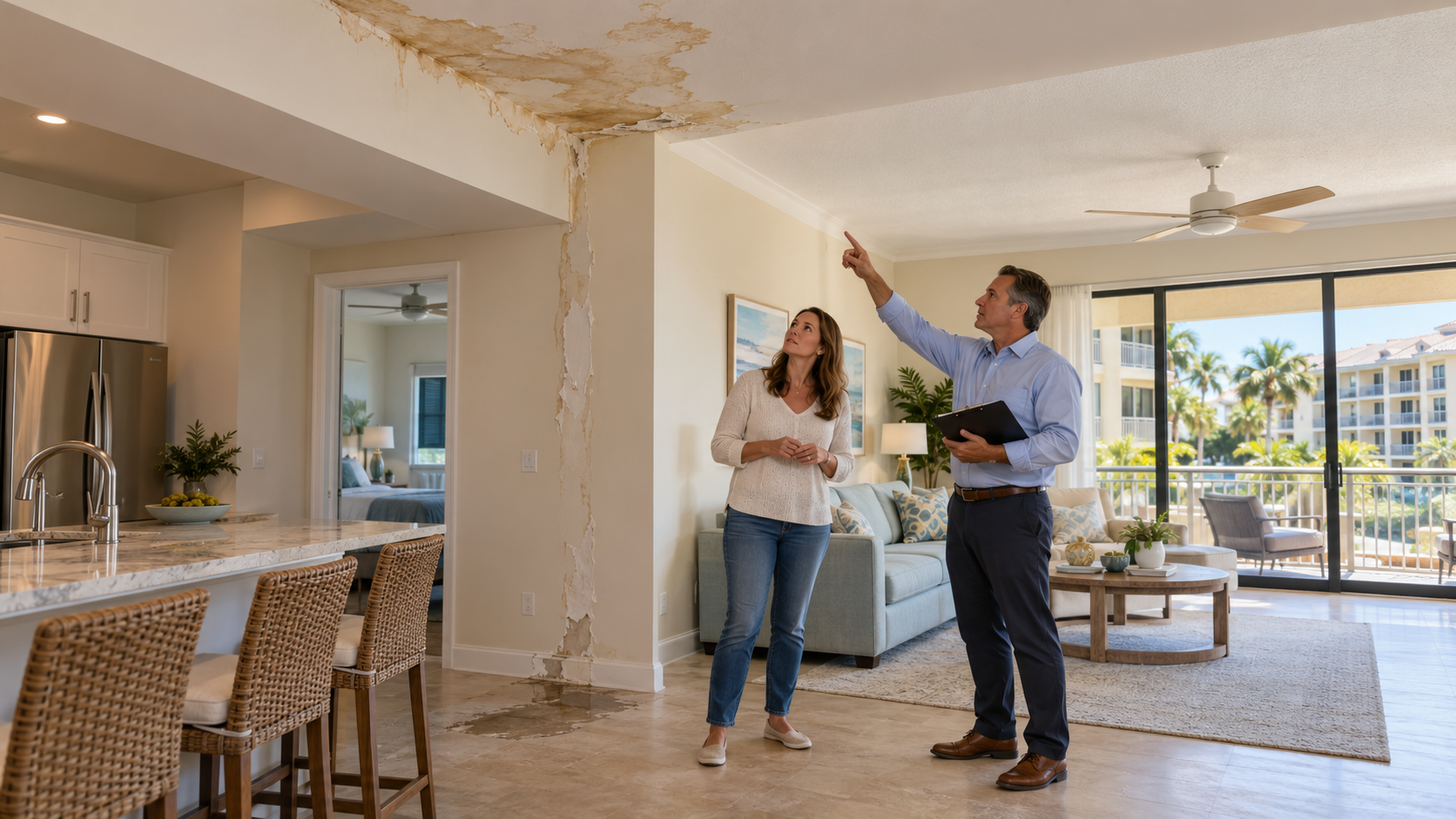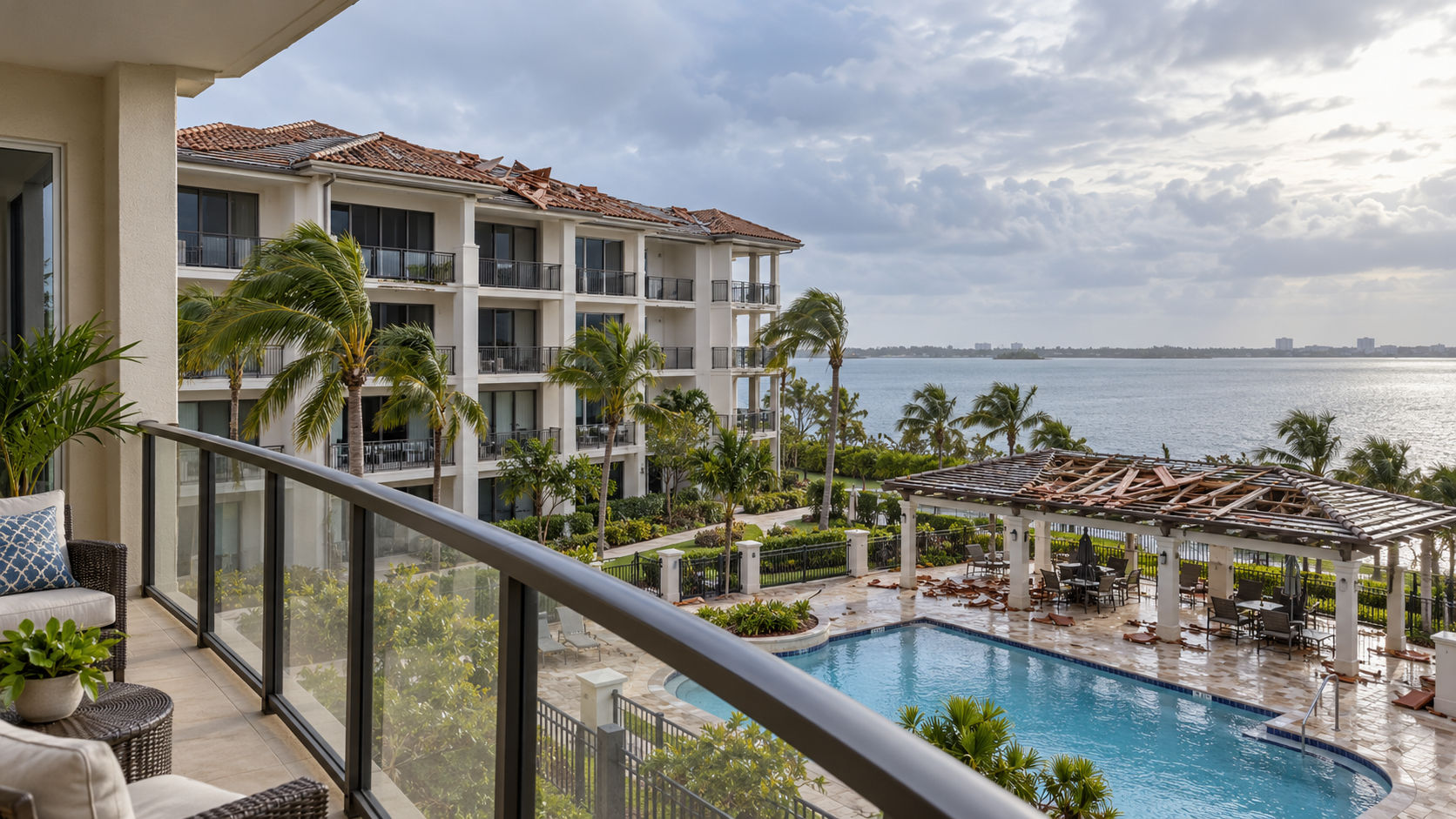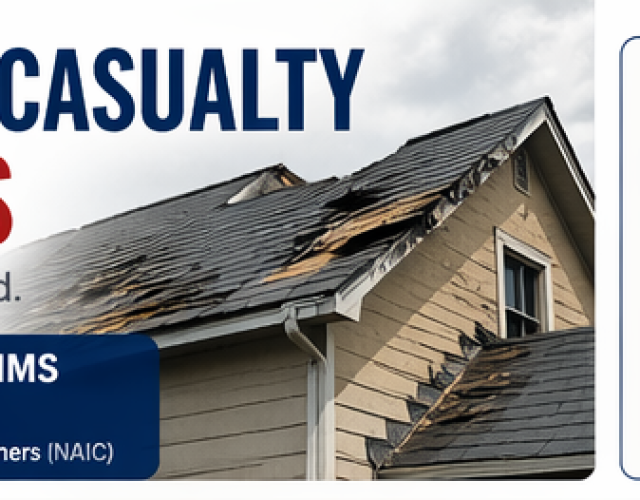
When universal property and casualty denying claims becomes a recurring issue, it reflects how the property and casualty insurance system operates under financial pressure. Every insurance company must balance risk exposure with profitability, and in a high-risk market like Florida property insurance, that balance often shifts toward stricter claim control.
This is why many claims are not evaluated purely on the existence of damage, but on how that damage can be interpreted within the limits of the insurance policy. The same loss can be framed differently depending on how the insurance company categorizes it. Storm-related damage may be presented as long-term deterioration, while sudden events may be reframed as maintenance issues.
The outcome is predictable. A significant portion of insurance claims are either reduced or rejected, not necessarily because the loss is invalid, but because the interpretation favors limiting payout. Data derived from filings to the National Association of Insurance Commissioners (NAIC) indicates that Florida insurers close approximately 40% to 47% of homeowners’ insurance claims without payment, reflecting a systemic pattern in the state’s property insurance market.
If your insurance claim feels delayed, reduced, or questioned, it is critical to understand that this is part of how the system functions. Many policyholders move forward assuming the insurer’s evaluation is final, when in reality you may be underpaid without realizing it.
Universal Property and Casualty Complaints: What Policyholders Say
The volume of universal property and casualty complaints from Florida homeowners reveals consistent patterns that go beyond individual experiences. Policyholders frequently describe delays in communication, disputes over the cause of property damage, and settlement offers that do not reflect the actual cost of repairs.
These complaints often follow a similar trajectory. A claim is filed after visible damage, such as storm impact, water intrusion, or a roof leak, and the insurance company responds with requests for additional documentation. The process extends, sometimes for weeks or months, while the homeowner waits for a resolution. When a decision is finally issued, the outcome is either a reduced payment or a claim denied altogether.
The critical issue is not simply denial, but how insurance companies manage expectations during the claims process. By prolonging evaluation and introducing uncertainty, they create pressure on policyholders to accept less than what their coverage may allow. This dynamic explains why many homeowners accept insufficient settlements instead of continuing the dispute.
What to Do If Universal Property and Casualty Denied Your Claim
If your insurance claim is denied, the most important step is to recognize that the decision is not necessarily final. The denial letter is a structured explanation of how the insurance company has interpreted your case. Understanding that reasoning allows you to identify where the claim can be challenged.
The next step is to rebuild the claim with stronger evidence. This requires re-documenting the property damage independently, securing professional repair estimates, and reviewing all communications from the original claims process. The goal is to correct the weaknesses that led to the denial.
Many homeowners assume that the initial submission fully represents their loss. In practice, the first version of a claim often lacks the level of detail required to withstand strict policy interpretation. A second, properly structured submission can significantly alter how the claim is evaluated.
Before accepting the denial, seeking a free case evaluation can give you clarity on whether the decision is justified or whether critical elements of the claim were overlooked.
Understanding Why Your Universal Property and Casualty Claim Was Denied
A claim being denied does not always indicate that the loss falls outside the insurance policy. In many cases, the denial reflects how the damage was classified rather than the nature of the damage itself.
Insurance adjusters working for the casualty insurance company assess claims based on internal guidelines that prioritize consistency and cost control. This means that ambiguous situations are often resolved in favor of the insurer. For example, damage that appears sudden may be interpreted as gradual, or storm-related issues may be attributed to pre-existing conditions.
The distinction is paramount. In property insurance, coverage depends on what happened and how the event is documented and categorized. Without clear, supporting evidence, the insurer’s interpretation becomes the default position.
Understanding this mechanism is key because it explains why two evaluations of the same property can lead to completely different conclusions.
Can You Appeal a Universal Property and Casualty Denied Claim
Appealing a denied insurance claim is often necessary when the initial decision does not reflect the full extent of the loss. Through the appeal process, policyholders can present additional evidence and directly challenge the reasoning behind the denial.
However, an effective appeal requires a structured approach in which every piece of evidence supports a clear narrative aligned with the insurance policy. The goal is to eliminate ambiguity and present a case that cannot easily be reinterpreted.
This stage is where many claims succeed or fail. A well-prepared appeal can shift the evaluation in your favor, while a weak or repetitive submission is likely to produce the same outcome.
How to Fight Universal Property and Casualty Claim Denials Successfully
Fighting the claim denials successfully requires changing how the insurance company evaluates your claim. The original decision is the outcome of a specific interpretation of the facts, and overcoming it means presenting those facts in a way that is accurate, better supported, and more aligned with policy language.
This involves obtaining independent inspections, securing expert opinions, and organizing documentation that clearly demonstrates the cause and extent of the damage. The emphasis is on proving that it falls within the scope of coverage.
Most policyholders rely on the insurer’s evaluation as the final word. In reality, the outcome of an insurance claim is often determined by how effectively the evidence is presented. This is why most homeowners accept less than they deserve, even when the claim could have been successfully challenged.
How a Public Adjuster Helps with Universal Property and Casualty Denying Claims
A public adjuster introduces a fundamental shift in the claims process by representing the policyholder rather than the insurance company. This changes both the evaluation of the property damage and the negotiation that follows.
Instead of relying on internal assessments, the claim is supported by an independent analysis that accurately values the loss and interprets the insurance policy in the policyholder’s favor. This is particularly important in complex property and casualty claims, where technical details determine the outcome.
The presence of a public adjuster also alters the negotiation dynamic. The insurance company is no longer dealing with an individual policyholder, but with a professional who understands the system and can challenge unsupported conclusions.
This shift often leads to more accurate claim valuations and improved settlements.

Denied Vs. Underpaid Claims in Universal Property and Casualty Cases
The difference between a denied and an underpaid claim is important, yet often misunderstood. A denied claim stops the process entirely, while an underpaid claim creates the appearance of resolution without fully compensating the loss.
In many cases, insurance companies prefer underpayment because it reduces the likelihood of dispute. By offering a partial settlement, they create a situation where the policyholder must decide whether to accept the payment or continue the process.
From a financial perspective, both outcomes can have the same impact. The homeowner is left covering the remaining cost of repairs. By recognizing this distinction, policyholders can respond appropriately and avoid accepting settlements that do not reflect the true extent of the damage.
Real Reasons Behind Universal Property and Casualty Insurance Claim Denials
The stated reason for a denial often reflects a simplified version of a more complex evaluation process. In reality, the outcome of a claim is heavily influenced by how the damage is categorized within the insurance policy framework.
Storm damage may be attributed to aging, water intrusion may be classified as excluded flooding, and sudden events may be described as gradual deterioration. These classifications are not arbitrary, but they are not always definitive either. They represent one interpretation of the available evidence.
In Florida property insurance, where environmental exposure creates overlapping causes of damage, these interpretations become the central point of dispute. The ability to challenge them effectively determines whether a claim remains denied or is successfully resolved.
Florida Deadlines to Dispute Universal Property and Casualty Denied Claims
The claims process in Florida is governed by strict timelines that apply to both the insurance company and the policyholder. Insurers must acknowledge and respond to claims within specific periods, while homeowners need to act within defined deadlines to preserve their rights.
Failure to act within these timeframes can limit the ability to dispute a denied claim or reopen a case. This makes timing a critical factor in the resolution process. Acting quickly means that evidence remains available and that the claim can be challenged effectively.
Steps to Reopen a Universal Property and Casualty Denied Claim
Reopening a denied claim requires presenting new or strengthened evidence that directly addresses the reasons for the original decision. This may include updated repair estimates, independent expert evaluations, or documentation that contradicts the insurer’s findings.
The objective is to correct its deficiencies. A well-prepared reopening can lead to a re-evaluation of the claim and, in many cases, a more satisfying outcome.
When to Hire a Public Adjuster for Universal Property and Casualty Claims
The decision to hire a public adjuster, such as PICC FlA, should be based on how your insurance claim is being handled—not just its value. When the claims process becomes unclear, delayed, or disputed, it usually signals that the insurance company is interpreting your claim in a way that may limit your payout.
You should consider bringing in a public adjuster when:
- Your claim was denied or only partially approved.
- The damage assessment does not reflect the true repair cost.
- The insurer requests repeated or excessive documentation.
- Communication delays start affecting the progress of your case.
In these situations, the issue is rarely the existence of property damage, but how it is documented and presented within the insurance policy. Without a structured response, most homeowners rely on the same information that led to the denial or underpayment in the first place.
A public adjuster changes this by rebuilding the claim with independent evaluations and policy-based justification, creating a stronger position to challenge the insurer’s decision. For many Florida homeowners, this step marks the shift from uncertainty to a controlled and more effective recovery process.
If your claim is being questioned, delayed, or undervalued, acting early can prevent long-term financial loss and improve your outcome.
Get Help with Universal Property and Casualty Claim Denials Today
If you are dealing with universal property and casualty denying claims, delaying action only reduces your chances of a successful outcome.
Each stage of the claims process requires accurate documentation, accurate interpretation of the insurance policy, and a clear strategy for presenting your case. Without these elements, the insurance company’s decision is unlikely to change.
PICC FLA provides a free case evaluation to help you understand exactly where your claim stands and what steps can improve the outcome. Whether your insurance claim is denied, delayed, or underpaid, the next move should be based on evidence and expertise, not assumptions.
Request your free consultation today and get a professional case evaluation before accepting less than your coverage allows.