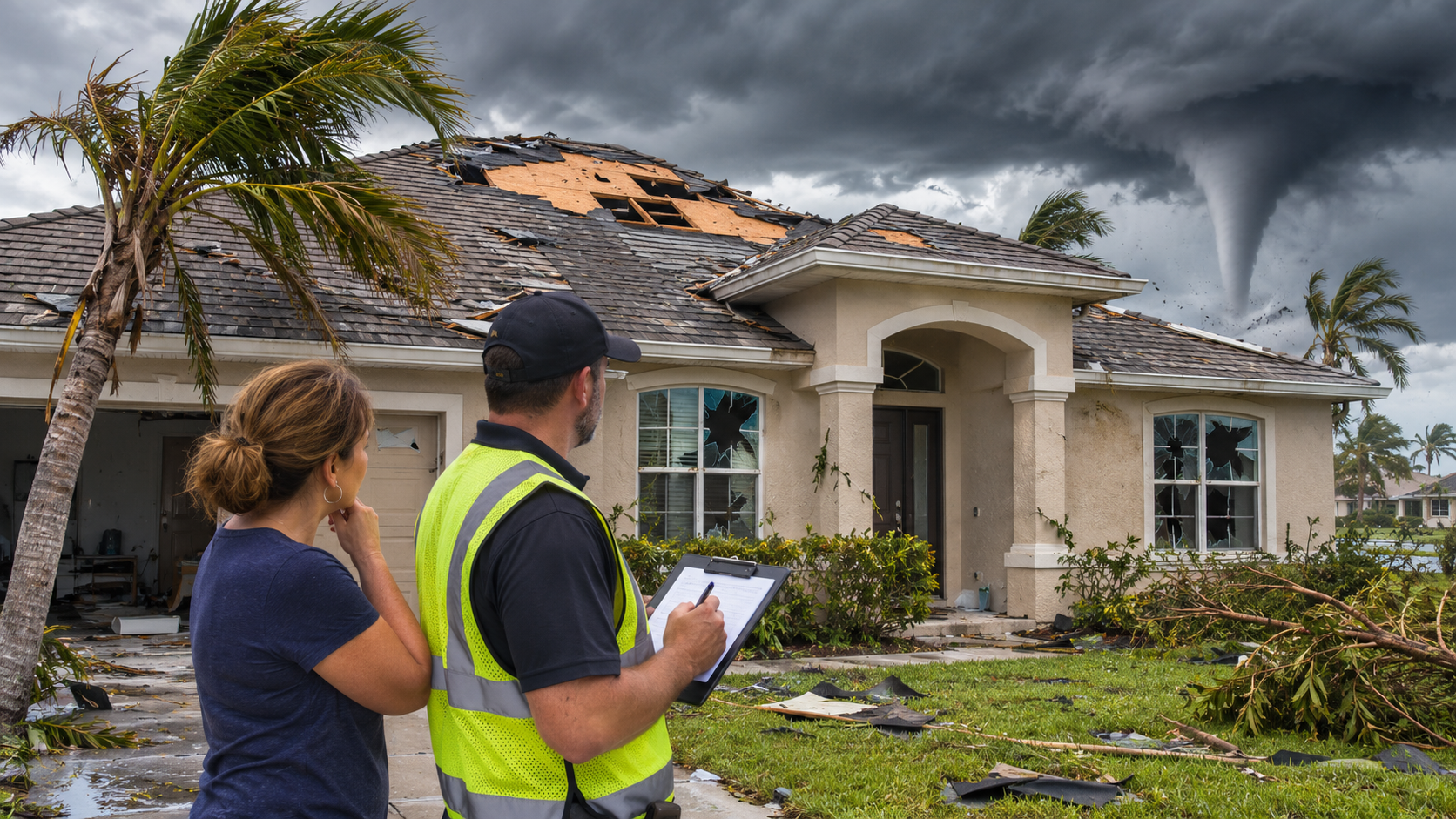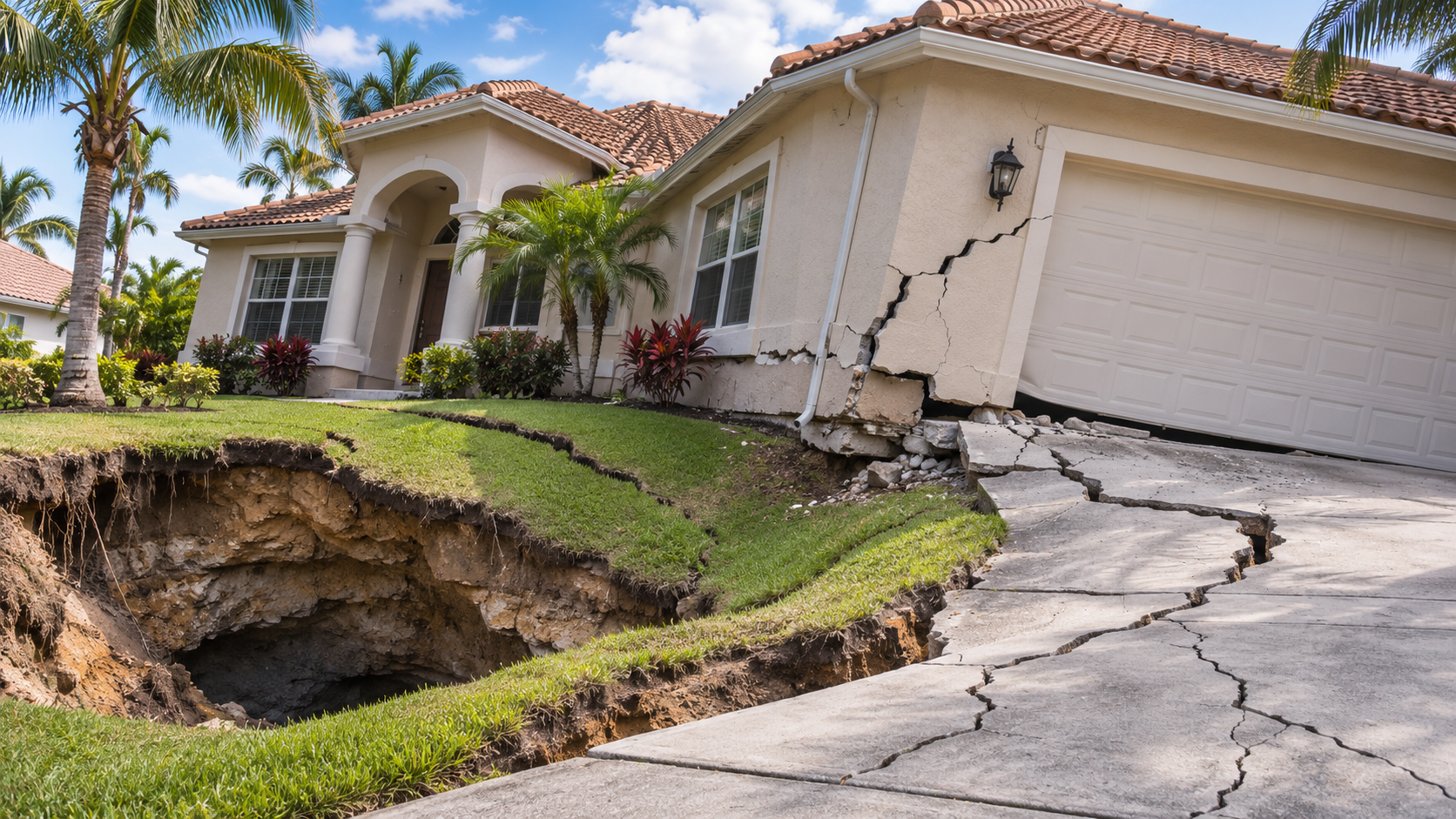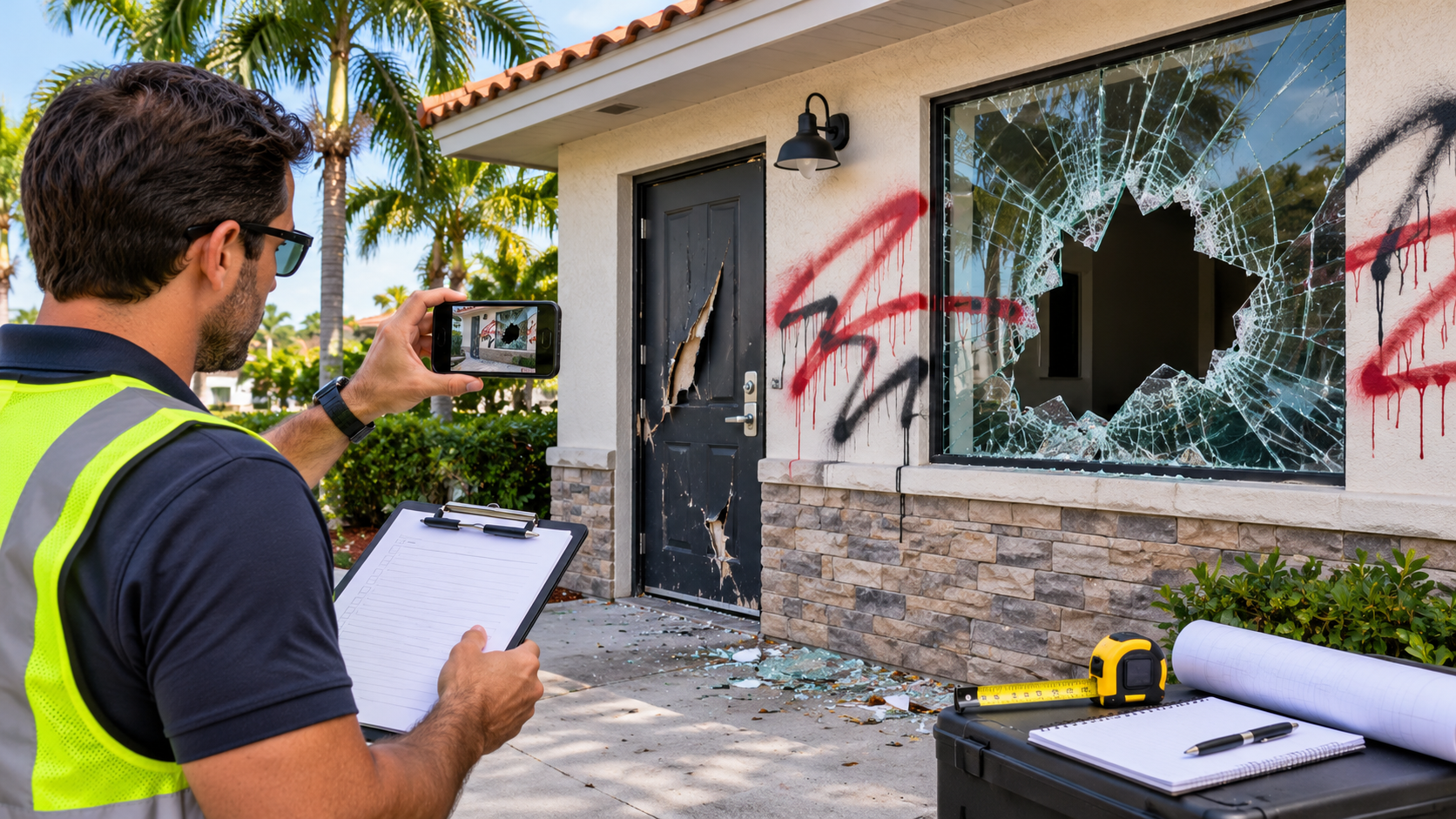
A tornado can damage your property in minutes, leaving behind torn roofing materials, broken windows, fallen debris, and water damage. Once the storm passes, you may face another challenge: figuring out how to file an insurance claim and document everything your property has suffered.
Filing a tornado damage insurance claim involves documenting the loss, reviewing your policy, notifying your insurer, arranging an inspection, and evaluating the settlement offer. Taking the right steps early can help protect your property and prevent important damage from being overlooked.
At People’s Insurance Claim Center (PICC), we help Florida property owners navigate the insurance claims process. Our public adjusters assist with damage assessments, claim documentation, settlement evaluations, and negotiations with insurance companies.
If your home or business has been affected by a tornado, our tornado damage claim services can help you understand the next steps.
What Should You Do Immediately After a Tornado Damages Your Property?
Your safety comes first. Before inspecting your property, make sure local authorities have cleared the area and that entering the building is safe.
Tornadoes can weaken roofs, damage electrical systems, and leave unstable structures behind. Avoid entering areas with visible structural damage until qualified professionals determine they are safe.
Once conditions allow, begin protecting your property from additional damage.
How Can You Prevent Further Damage Before Filing a Claim?
Property owners generally have a responsibility to take reasonable steps to prevent further damage after an insured loss.
Depending on the condition of your property, these steps may include:
- Arranging temporary roof tarping to prevent rainwater from entering.
- Securing broken windows or exposed openings.
- Protecting undamaged furniture and personal belongings.
- Removing standing water when it is safe to do so.
- Keeping receipts for emergency repairs and protective materials.
- Photographing damage before temporary repairs begin.
Avoid permanent repairs or disposing of damaged materials before documenting them, unless immediate action is necessary for safety or to prevent additional loss.
At PICC, our property insurance claim process includes helping property owners understand damage mitigation, inspection, and claim preparation.
How Do You Document Tornado Damage for an Insurance Claim?
Accurate documentation is one of the most important parts of filing a tornado claim.
Tornadoes can damage multiple areas of a property. While missing shingles or broken windows may be obvious, other problems can be harder to identify.
Photograph the affected areas from multiple angles, record the date of the storm, and prepare a detailed inventory of damaged belongings.
What Should Be Included in a Tornado Property Damage Checklist?
Use this tornado property damage checklist when preparing your claim.
Exterior damage
- Missing, lifted, or damaged roofing materials
- Damaged gutters, flashing, and roof components
- Broken windows and exterior doors
- Damaged siding and exterior walls
- Debris impact damage
- Visible structural damage
Interior damage
- Ceiling stains and water intrusion
- Damaged drywall and insulation
- Cracked or damaged interior surfaces
- Wet flooring and damaged finishes
- Damaged furniture, appliances, and personal belongings
Supporting documentation
- Photographs and videos
- Date and approximate time of the storm
- Purchase receipts for damaged items, when available
- Temporary repair invoices
- Inspection reports and repair estimates
- Written communication with your insurer
Keep copies of your documentation in a secure location.
Our wind damage claim adjusters can assist with identifying and documenting storm-related property damage that may need further evaluation.
Does Homeowners Insurance Cover Tornado Damage in Florida?
Tornado damage homeowners insurance coverage generally depends on your policy’s terms, exclusions, limits, and deductibles.
Many homeowners policies provide coverage for sudden wind-related damage, including damage caused by tornadoes. However, coverage is not automatic for every loss.
For example, direct wind damage to a roof may be treated differently from flooding caused by rising water.
What Types of Tornado Damage May Be Covered?
Depending on your insurance policy, potential covered losses may include:
- Roof damage caused by strong winds
- Broken windows and damaged exterior components
- Structural damage from wind or flying debris
- Interior water damage resulting from a covered opening
- Damaged personal belongings
- Additional living expenses when a covered loss makes the home uninhabitable
Flooding from rising water generally requires separate flood coverage. Additional living expenses, personal property coverage, and other benefits are subject to applicable policy provisions.
At PICC, we help policyholders review their insurance coverage and identify the documentation needed to support their claims.
Our residential insurance claims services focus on assisting homeowners with property damage assessments, claim preparation, and insurance settlement negotiations.
How Do You File a Tornado Damage Insurance Claim Step by Step?
Filing a tornado insurance claim becomes more manageable when you understand the process.
How Do You Notify Your Insurance Company?
Contact your insurance company as soon as reasonably possible after discovering the damage.
Provide the property address, date of loss, a general description of the damage, and your contact information.
Ask for a claim number and instructions about the next steps.
Keep a written record of your conversations, including dates, names, and any documents requested.
How Do You Prepare for the Insurance Inspection?
After you report the loss, your insurer typically assigns an adjuster to investigate the damage.
Prepare your photographs, damage inventory, repair estimates, and emergency repair receipts before the inspection.
Point out every affected area that can be accessed safely, including interior damage that may not be immediately visible from outside.
At PICC, our public adjusters can inspect the property, help prepare supporting documentation, and communicate with the insurer during the claims process.
How Do You Review the Settlement Estimate?
After the inspection, the insurance company may provide an estimate outlining the damage it considers covered and the proposed repair costs.
Review the estimate carefully.
Check whether it accounts for the affected roof sections, exterior components, interior finishes, and other documented losses.
You should also review the deductible, depreciation, and any policy limitations affecting the payment.
If you are unsure how to interpret the estimate, our guide on reading an insurance claim estimate explains what to examine.
How Do You File a Tornado Roof Claim?
Roof damage is one of the most common concerns after a tornado.
Strong winds can lift shingles, damage flashing, dislodge roofing materials, and expose the interior of a property to rainwater.
A tornado roof claim should document the visible damage and any related interior losses.
What Evidence Helps Support a Tornado Roof Claim?
Useful documentation may include:
- Photographs of missing or damaged roofing materials
- Images showing damaged flashing or roof components
- Interior photographs of resulting water damage
- Roof inspection findings
- Repair or replacement estimates
- Receipts for emergency roof protection
Avoid climbing onto a damaged roof yourself. Roof inspections should be performed by qualified professionals when conditions are safe.
Our roof damage claim services help Florida property owners evaluate and document roof-related insurance losses.
What Happens If a Tornado Causes Interior Water Damage?
A damaged roof or broken window may allow rainwater to enter your property during a tornado.
This can affect ceilings, walls, insulation, flooring, and personal belongings.
Document the location and extent of water intrusion before cleanup whenever safely possible.
Keep records of emergency water removal, drying, and other mitigation expenses.
Water damage coverage depends on how the water entered the property and the conditions of your insurance policy.
Our water damage claim adjusters help property owners document water-related losses and assess their insurance claims.
How Long Do You Have to File a Tornado Damage Insurance Claim in Florida?
Florida has specific deadlines for property insurance claims involving windstorm damage.
Under Florida Statutes section 627.70132, an initial claim involving covered windstorm damage generally must be reported within one year of the date of loss.
Supplemental claims generally have an 18-month notice deadline.
These rules can depend on the type of claim and applicable legal provisions. Your insurance policy may also require prompt notice.
For that reason, we recommend reporting tornado damage as soon as reasonably possible rather than waiting until a deadline approaches.
Keep copies of your claim submission and the insurer’s acknowledgment.
Our hurricane and storm damage claim services also address Florida property owners’ concerns about storm losses, documentation, and claim handling.
What Should You Do If Your Tornado Damage Claim Is Underpaid or Denied?
A denied or underpaid claim does not necessarily mean every available option has been exhausted.
Start by reviewing the insurer’s written explanation.
Compare its findings with your photographs, inspection reports, repair estimates, and policy provisions.
Look for differences involving the extent of damage, repair scope, or applicable coverage.
If you identify missing or disputed items, additional documentation may help support a request for review, reconsideration, or a supplemental claim, where permitted.
At PICC, we represent policyholders during the insurance claims process. We can evaluate claim documentation, assess potential differences in damage estimates, and negotiate with insurers regarding disputed property losses.
How Can a Public Adjuster Help With a Tornado Damage Insurance Claim?
A public adjuster represents the policyholder’s interests during the insurance claims process.
Unlike an insurance company adjuster, a public adjuster works on behalf of the property owner.
At PICC, our tornado damage claim assistance includes:
- Reviewing available insurance policy information
- Inspecting and documenting property damage
- Evaluating repair estimates and claim documentation
- Assisting with claim preparation and submission
- Communicating with the insurance company
- Negotiating eligible property damage claims
- Reviewing disputed or potentially underpaid losses
Every claim is different, and the outcome depends on the policy, documented damage, and insurer’s coverage determination.
Our goal is to help property owners present well-supported claims and pursue settlements consistent with their available insurance coverage.
How Can You Get Help Filing a Tornado Damage Claim in Florida?
Tornado damage can affect your roof, interior walls, personal belongings, and overall property condition.
Filing a claim involves more than reporting visible damage. It also requires accurate documentation, an understanding of your policy, and careful review of the insurer’s findings.
At PICC, we assist Florida homeowners and property owners throughout the claims process, from the initial damage assessment through claim documentation and settlement negotiations.
Whether you are preparing a new claim or reviewing an existing one, our public adjusters can help you understand your options.
Contact PICC to request a free policy review and discuss your tornado damage insurance claim.
What Sources Support This Tornado Insurance Claim Guide?
Which Government Insurance Resources Explain Florida Property Claim Requirements?
Florida Department of Financial Services. “Homeowners Insurance Overview.” Division of Consumer Services, https://www.myfloridacfo.com/division/consumers/understanding-insurance/homeownersinsuranceoverview. Accessed 19 Nov. 2026.
Florida Department of Financial Services. “General Insurance Coverage FAQs.” Division of Consumer Services, https://www.myfloridacfo.com/division/consumers/storm/general-disaster-faqs. Accessed 19 Nov. 2026.
Florida Department of Financial Services. “Public Adjusters Overview.” Division of Consumer Services, https://myfloridacfo.com/division/consumers/storm/public-adjusters. Accessed 19 Nov. 2026.
Florida Department of Financial Services. “Homeowners Insurance Toolkit.” Division of Consumer Services, https://www.myfloridacfo.com/docs-sf/consumer-services-libraries/consumerservices-documents/understanding-coverage/consumer-guides/english—homeowners-insurance-toolkit.pdf?sfvrsn=1a17d80c_2. Accessed 19 Nov. 2026.