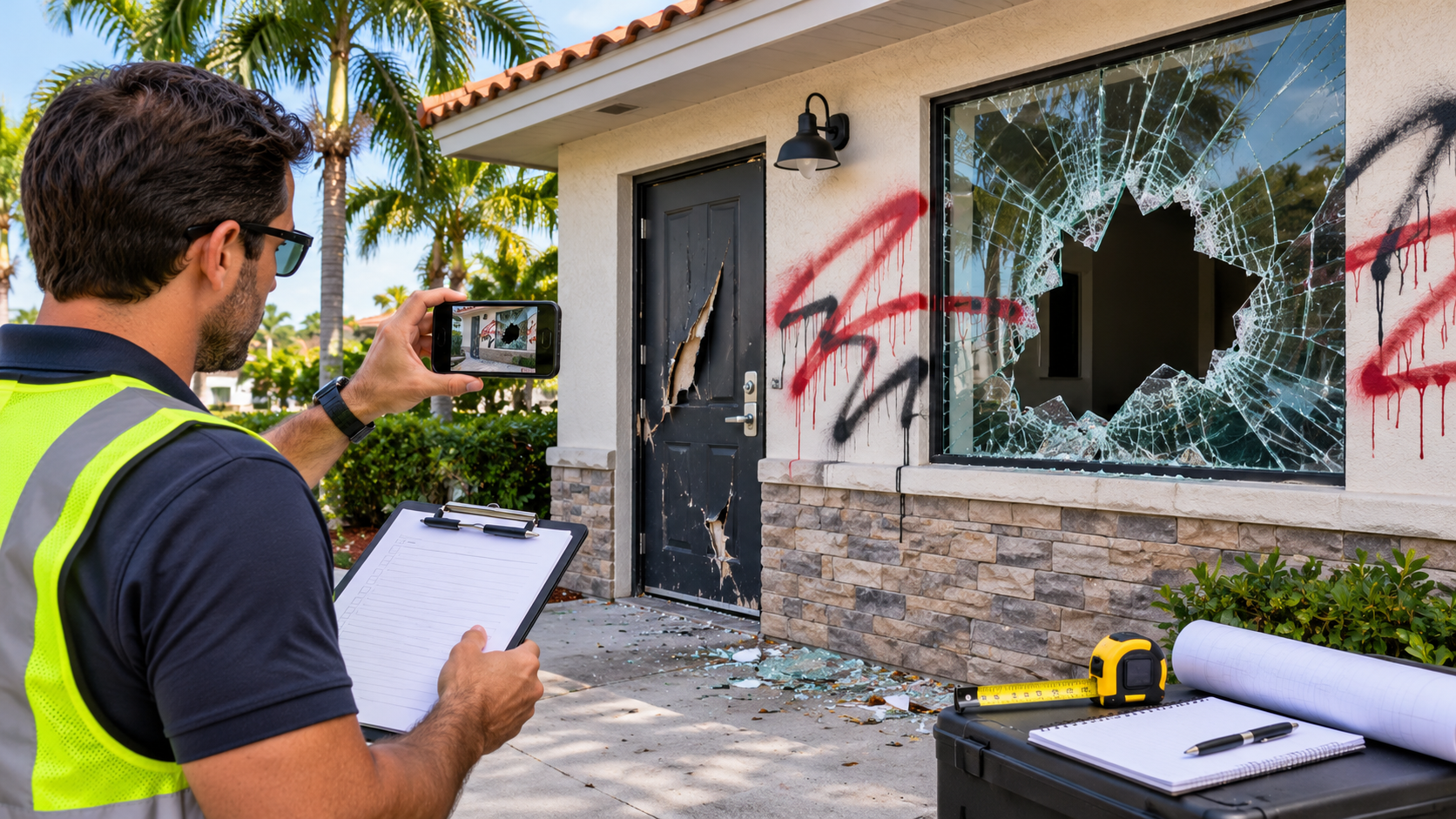
Discovering that someone has intentionally damaged your home or commercial property can be overwhelming. Broken windows, damaged doors, graffiti, destroyed fixtures, and other forms of vandalism can leave you facing unexpected repair costs. If your property is insured, you may wonder: How do you file a vandalism insurance claim?
To file a vandalism insurance claim, you should document the damage, report the incident to the police, notify your insurance company promptly, take reasonable steps to prevent further damage, and submit the documentation required by your policy. Coverage depends on the circumstances of the incident and your insurance policy.
At PICC FLA, we help Florida homeowners and business owners navigate property insurance claims involving vandalism, theft, and malicious damage. Our approach focuses on inspecting the property, reviewing available coverage information, preparing supporting documentation, and representing policyholders throughout the claims process.
Understanding these steps can help you avoid unnecessary complications while preparing your claim.
What Is Considered Vandalism Under Property Insurance?
Vandalism generally refers to intentional and wrongful damage to someone else’s property. Insurance policies may use terms such as vandalism, malicious mischief, or intentional property damage.
Common examples of vandalism include:
- Broken windows, doors, and locks
- Graffiti or spray paint on walls
- Intentionally damaged flooring or cabinetry
- Destruction of plumbing fixtures
- Damage caused during unauthorized entry
- Deliberate destruction of electrical components
- Intentional damage to commercial equipment
- Damage resulting from malicious tampering with plumbing systems
However, not every damaged item automatically qualifies as vandalism under an insurance policy.
For example, accidental damage, ordinary wear and tear, and intentional destruction may be treated differently.
At PICC FLA, we help property owners evaluate these circumstances through our vandalism and theft insurance claim services.
Does Property Vandalism Insurance Coverage Apply to Homes and Businesses?
Property vandalism insurance coverage may be available under homeowners insurance and commercial property insurance policies.
Many homeowners policies include vandalism and malicious mischief among their covered causes of loss. Commercial policies may also provide protection against qualifying intentional property damage.
However, coverage is not automatic.
Your eligibility depends on factors such as:
- Whether vandalism is a covered cause of loss
- The circumstances surrounding the damage
- Applicable policy exclusions
- Whether the property was occupied or vacant
- Coverage limits and deductibles
- Requirements for reporting and documenting the incident
Some policies contain restrictions for properties that have remained vacant or unoccupied for a specified period. These provisions can affect vandalism coverage.
We recommend reviewing your insurance policy before assuming that every repair or replacement expense will be reimbursed.
Our overview of property damage insurance claims in Florida explains the different categories of property losses we assist with.
What Should You Do Immediately After Discovering Vandalism?
Your first priority should be safety.
If someone has broken into your property or the area appears unsafe, avoid entering until the situation has been addressed by the appropriate authorities.
Once the property is safe, begin documenting what happened.
We recommend taking these initial steps:
- Report the incident to the police. Provide an accurate description of the vandalism and request information about obtaining the report.
- Photograph the damage. Capture wide-angle photographs and close-up images of affected areas.
- Preserve available evidence. Keep damaged materials and relevant records when practical and safe.
- Notify your insurance company. Report the loss promptly and follow your policy’s claim notification requirements.
- Prevent additional damage. Arrange reasonable temporary protection, such as securing broken doors or windows.
- Keep supporting records. Save repair estimates, emergency service invoices, and receipts.
Avoid making unnecessary permanent repairs before the damage is documented and the insurer has had a reasonable opportunity to inspect it, subject to safety needs and your policy obligations.
Our property insurance claim process explains how protecting the property and documenting the loss fit into the claims process.
How Do You File a Vandalism Insurance Claim Step by Step?
Filing a vandalism claim generally involves several stages, beginning with reporting the incident and continuing through damage assessment and claim evaluation.
How Do You Report the Incident to Your Insurance Company?
Contact your insurance company promptly after discovering the damage.
Be prepared to provide:
- Your policy number
- The insured property address
- The date the damage was discovered
- The approximate date of the incident, if known
- A description of the affected property
- The police report number, if available
- Information about any emergency repairs
Explain what you know without making unsupported assumptions about who caused the damage.
How Do You Document and Estimate the Damage?
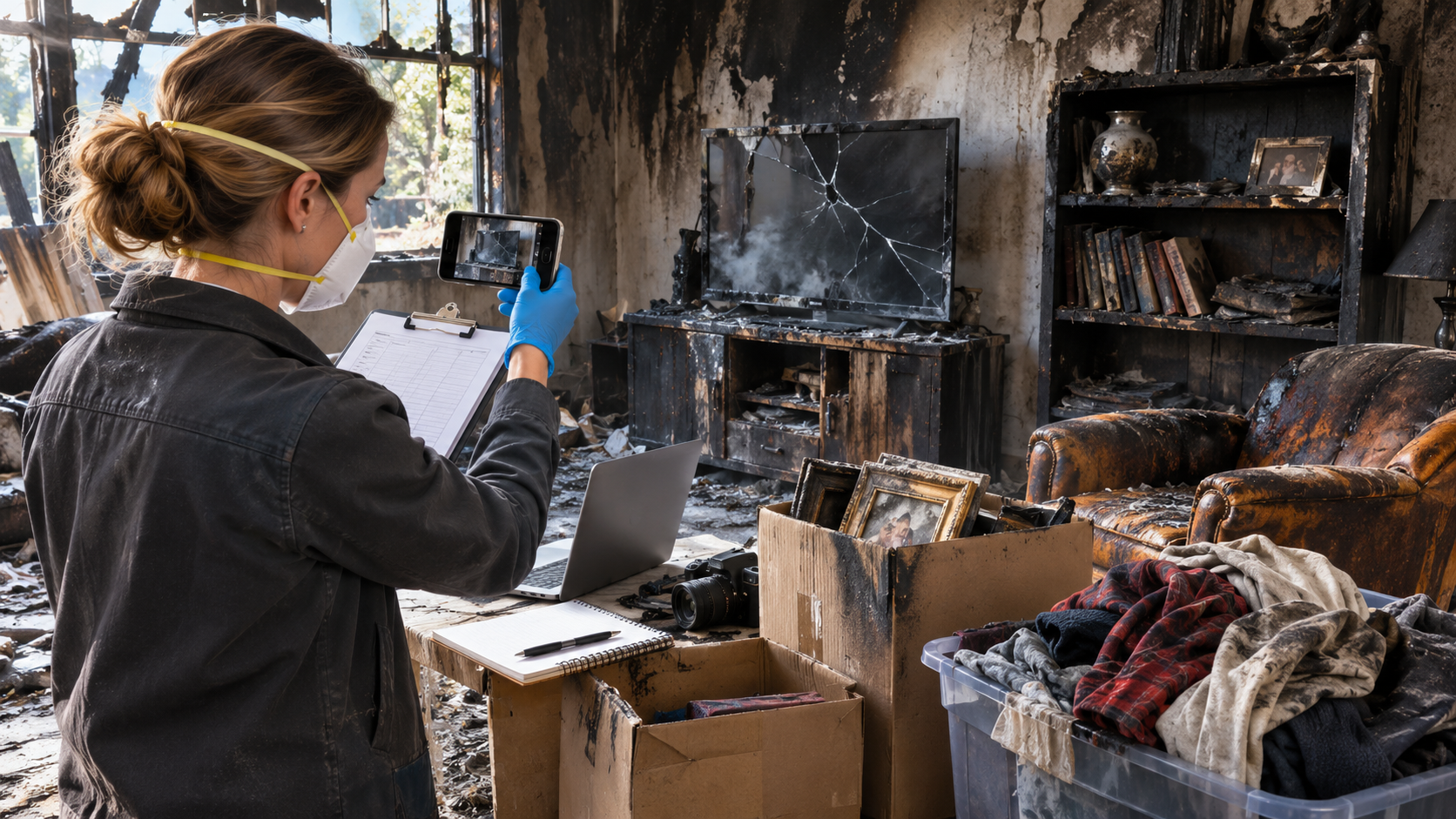
Create a detailed inventory of damaged building components and personal property.
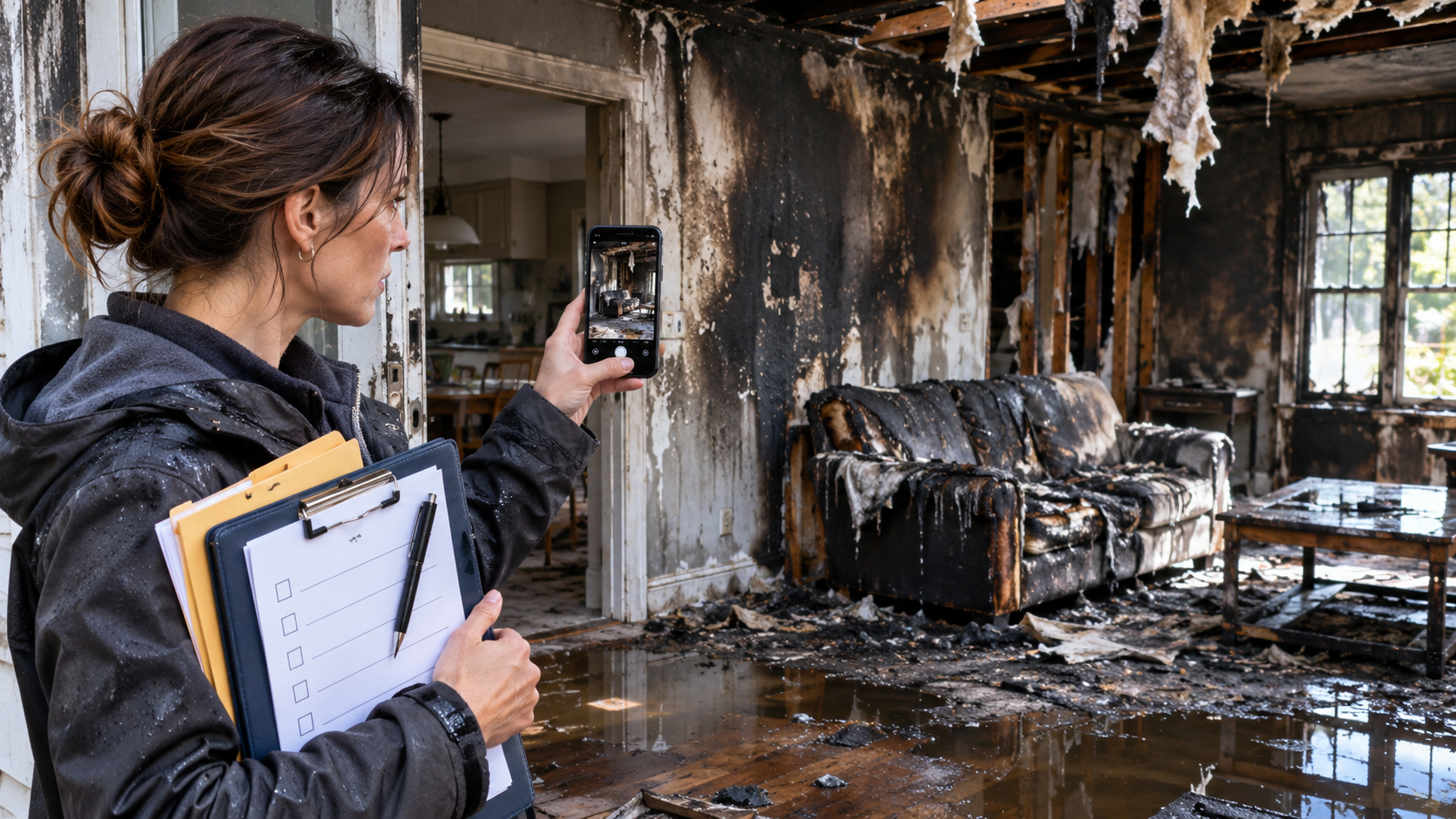
Photograph each affected area and identify what may require cleaning, repair, or replacement.
Repair estimates can help establish the scope and potential cost of restoring the property.
At PICC FLA, our public adjusting services include inspecting damage, preparing supporting estimates, and organizing claim information for the insurer’s review.
How Do You Complete the Required Claim Paperwork?
Your insurer may request supporting documentation beyond the initial loss notification.
Depending on the policy, this may include a formal proof of loss identifying the circumstances, damaged property, and amount being claimed.
A sworn proof of loss is not required in every situation, and deadlines may vary.
Our guide explaining what a proof of loss is and when it is due provides additional information about these requirements.
Why Is a Police Report Important for a Vandalism Insurance Claim?
A police report can provide important supporting documentation for a vandalism claim.
It creates an official record that an incident was reported and may include information about the location, reported circumstances, and visible damage.
Some insurance policies specifically require policyholders to notify the police after vandalism or theft.
However, a police report does not automatically establish that every claimed loss is covered. The insurer still evaluates the available evidence and applicable policy provisions.
We recommend keeping a copy of the police report, photographs, relevant communications, and any additional information requested during the investigation.
What Evidence Can Support a Malicious Damage Insurance Claim?
A malicious damage insurance claim should be supported by reliable evidence connecting the reported incident to the property damage.
The documentation may include:
- Photographs and videos of damaged areas
- Police reports
- Available security recordings
- Witness information
- Repair and replacement estimates
- Receipts showing ownership of damaged items
- Previous photographs showing the property’s condition
- Invoices for emergency protective measures
Preserve original records whenever possible.
If important information is unavailable, explain the circumstances rather than creating estimates or descriptions that cannot be supported.
A well-organized claim helps establish what happened, which property was affected, and the documented extent of the loss.
Can You File a Vandalism Claim for Damage Caused by a Tenant?
Intentional destruction by a tenant may raise questions about vandalism coverage, but coverage depends on the policy and circumstances.
A property owner may discover broken fixtures, damaged flooring, destroyed cabinetry, or other damage after a tenant leaves.
The important distinction is whether the damage resulted from an intentional destructive act, an accident, or ordinary wear and tear.
Some policies may limit or exclude particular forms of tenant-related damage. Vacancy provisions and other conditions may also be relevant.
We recommend documenting the property’s condition before and after occupancy, preserving available rental records, and reviewing the applicable policy language.
Do not automatically classify every instance of tenant damage as insured vandalism.
How Is a Commercial Vandalism Claim Different?
A commercial vandalism claim may involve damage to business property, equipment, inventory, fixtures, or the building itself.
For example, someone might break into a commercial property and intentionally damage doors, windows, electrical systems, or installed equipment.
Business owners should document the physical damage and preserve records establishing ownership and value.
Depending on the policy, the incident may also affect business operations. Any potential business income coverage must be reviewed separately because commercial property damage does not automatically establish a covered income loss.
At PICC FLA, we assist business owners with commercial property insurance claims, including damage documentation, claim preparation, and negotiations.
How Do Insurance Companies Evaluate Vandalism Damage?
Once the incident is reported, the insurer may investigate the circumstances and inspect the property.
The evaluation generally considers the cause of damage, available evidence, repair requirements, and insurance policy provisions.
An estimate may include:
- Removal of damaged materials
- Repair or replacement of affected components
- Labor and material costs
- Applicable depreciation
- Deductibles
- Policy coverage limits
The insurer’s initial estimate may differ from the actual repair cost or another documented estimate.
Our guide on how to read an insurance claim estimate explains how to review quantities, repair operations, depreciation, and missing damage.
What Happens if Your Vandalism Insurance Claim Is Underpaid?
An initial insurance estimate may not identify every damaged component or necessary repair.
If the proposed payment appears insufficient, review the insurer’s estimate and compare it with the documented damage.
Look for missing areas, incorrect quantities, omitted repair operations, and differences in material or labor costs.
If additional damage is discovered during repairs, further documentation may be necessary.
A supplemental insurance claim may be appropriate when additional covered damage or repair costs associated with the original incident need to be presented.
However, supplemental payment is never automatic. Coverage, supporting evidence, claim status, and applicable deadlines must be considered.
What Mistakes Should You Avoid When Filing a Vandalism Claim?
Several avoidable mistakes can complicate a property insurance claim.
We recommend avoiding the following:
- Delaying notification of the incident
- Failing to report suspected criminal damage to the police
- Discarding damaged property before documenting it
- Making unsupported assumptions about the cause of damage
- Failing to preserve emergency repair receipts
- Overlooking policy exclusions and deductibles
- Missing required documentation deadlines
- Assuming every damaged item is automatically covered
- Accepting an estimate without reviewing the documented repair scope
We also recommend maintaining copies of all communications with your insurance company.
Accurate documentation and timely communication can help clarify the circumstances of the loss.
How Can PICC FLA Help With a Vandalism Insurance Claim?
At PICC FLA, we represent Florida policyholders during residential and commercial property insurance claims involving vandalism, theft, and other qualifying property losses.
Our public adjusting services can include reviewing available policy information, inspecting the damaged property, preparing estimates, organizing supporting documents, and communicating or negotiating with the insurance company.
We understand that vandalism can affect multiple areas of a property and create unexpected expenses.
Our goal is to document the loss accurately and help policyholders present their claims based on the available evidence and applicable insurance coverage.
If your property has experienced vandalism or malicious damage, you can contact PICC FLA for a claim review. We can assess the reported damage and explain how our public adjusting services may assist.
Which Organizations Provide Supporting Guidance on Vandalism Insurance Claims?
Florida Department of Financial Services. “Homeowners Insurance Overview.” Consumer Services, www.myfloridacfo.com/division/consumers/understanding-insurance/homeownersinsuranceoverview. Accessed 16 Nov. 2026.
Florida Department of Financial Services. “Understanding Assignment of Benefits (AOB).” Consumer Services, myfloridacfo.com/division/consumers/consumerprotections/assignmentofbenefits. Accessed 16 Nov. 2026.
National Association of Insurance Commissioners. “Homeowners Insurance.” Insurance Topics, content.naic.org/insurance-topics/homeowners-insurance. Accessed 16 Nov. 2026.
What Should You Remember About Filing a Vandalism Insurance Claim?
Filing a vandalism insurance claim begins with documenting the incident, reporting suspected criminal damage, notifying your insurer, and protecting the property from further loss.
The most important consideration is whether the reported damage qualifies under your insurance policy.
A detailed record of the incident, photographs, repair estimates, and relevant supporting documents can help establish the scope and circumstances of the damage.
At PICC FLA, we help Florida homeowners and business owners navigate these requirements through property inspections, claim documentation, and public adjusting services.
If your home or commercial property has been damaged by vandalism, we can help you understand the claims process and present your documented loss for evaluation.