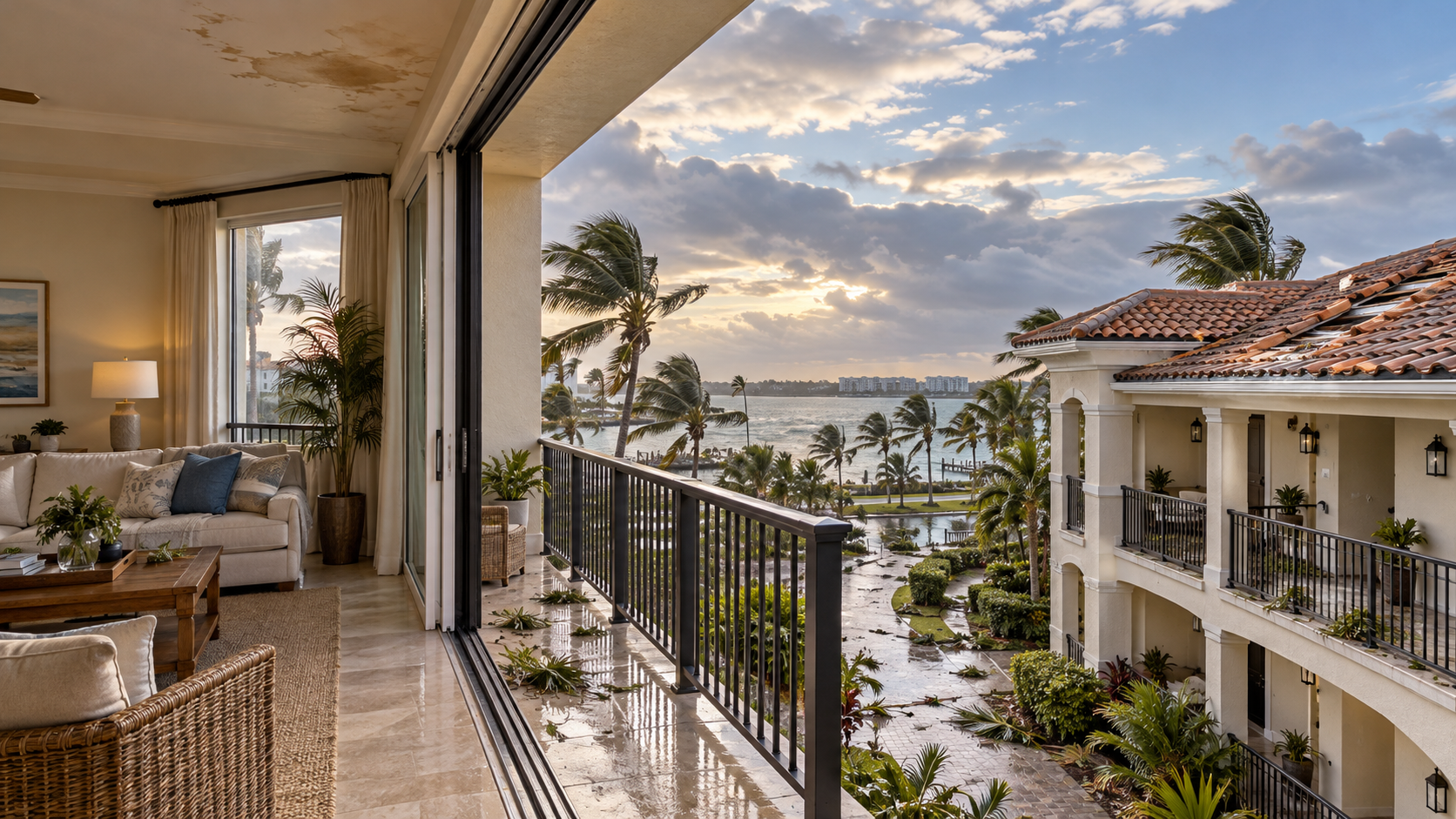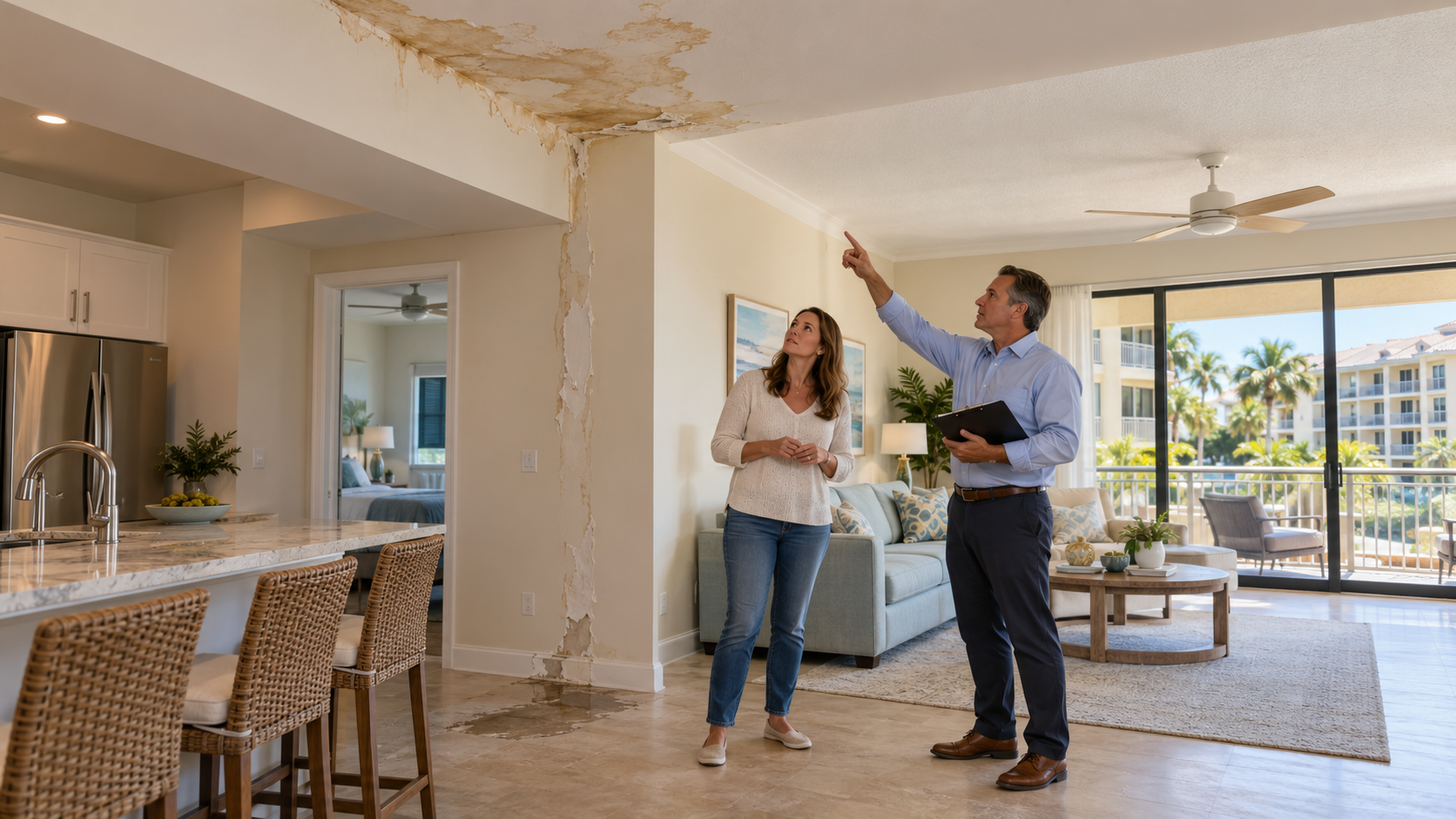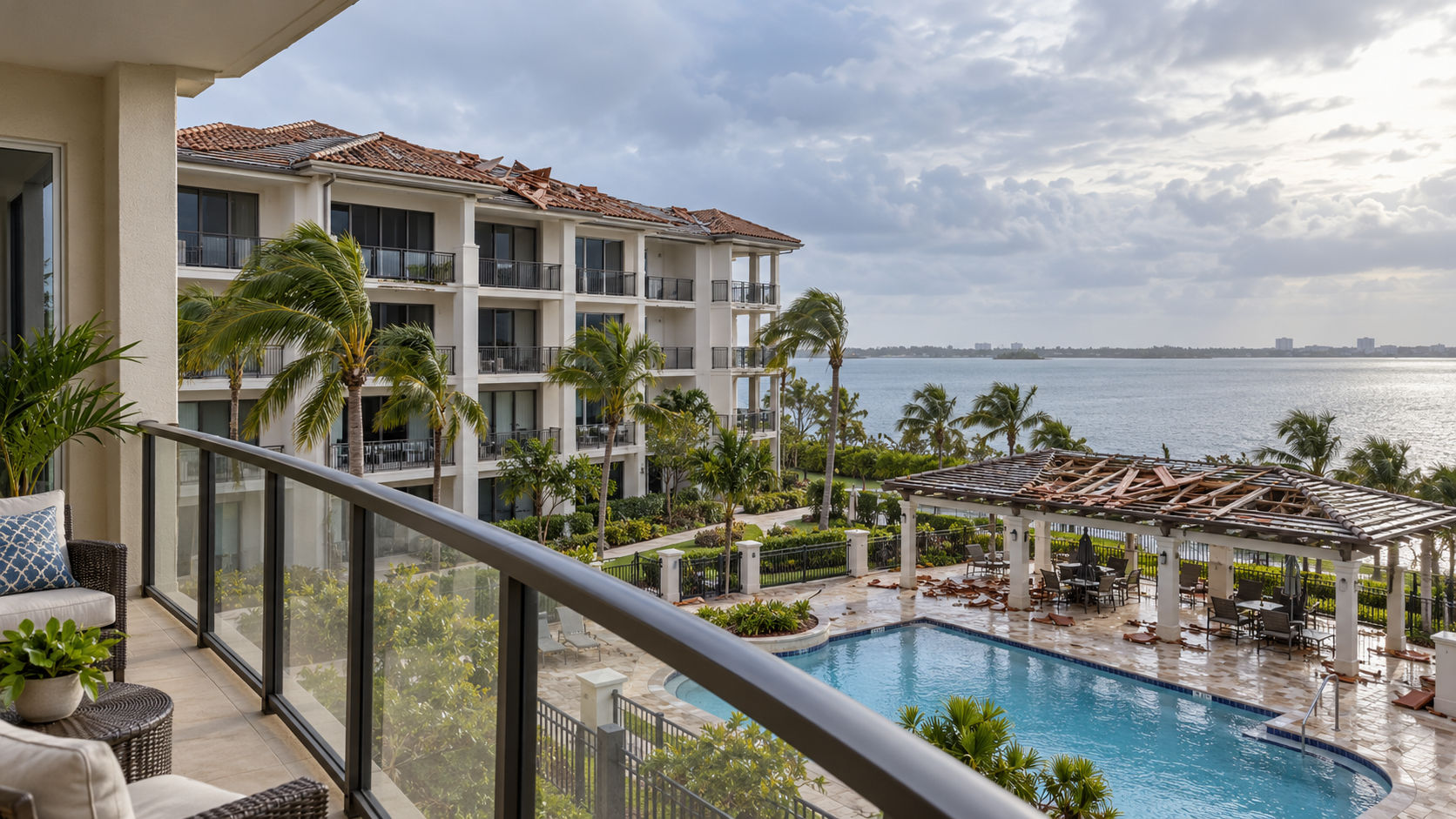
If your home has suffered property damage, one of your first questions may be: How long does a home insurance claim take in Florida? The answer depends on the type of damage, how quickly the claim is reported, the documentation available, whether an inspection is required, and whether the insurer disputes any part of the claim.
Florida law establishes important deadlines that help define the homeowners insurance claim timeline. In general, an insurer must acknowledge a claim communication within 7 calendar days. For qualifying residential property claims, the insurer generally has 60 days after receiving notice of an initial, reopened, or supplemental claim to pay or deny the claim or a portion of it, subject to certain statutory exceptions and tolling periods.
At piccfla.com, we help Florida property owners understand and manage the insurance claim process, including damage inspections, documentation, claim preparation, communication, and negotiation. The goal is to keep the claim properly documented and moving through each stage without avoidable setbacks.
What Is the Short Answer for Florida Homeowners?
There is no single number of days that applies to every claim.
For a straightforward claim with clear damage and complete documentation, major decisions may occur within Florida’s 60-day statutory period. However, that does not mean every claim will be completely settled and closed within 60 days.
Additional inspections, requests for information, disagreements about the cause of damage, supplemental damage, disputes over repair costs, mediation, or other issues can extend the overall process.
When homeowners ask us how long does an insurance claim take, we recommend looking at the claim as a series of stages rather than expecting one universal completion date.
If you have not yet started your claim, our guide on how to file a home insurance claim explains the documentation and preparation involved.
What Does the Florida Insurance Claim Timeline Look Like?
Understanding the basic Florida insurance claim timeline can help you recognize when your claim is moving normally and when additional attention may be needed.
How Quickly Must the Insurer Acknowledge the Claim?
Under current Florida law, an insurer generally must review and acknowledge a communication regarding a claim within 7 calendar days, unless payment is made during that period or circumstances beyond the insurer’s control prevent the acknowledgment.
For an initial residential property claim, Florida law also requires the Homeowner Claims Bill of Rights to be provided within 14 days after the insurer receives the initial claim communication.
Keep records of when you reported the claim, your claim number, emails, letters, photographs, estimates, receipts, and other communications. Accurate records can become important if questions about the timeline arise later.
When Does the Investigation and Inspection Begin?
After an insurer receives proof-of-loss statements, Florida law generally requires the insurer to begin a reasonably necessary investigation within 7 days, unless the policy, another law, or circumstances beyond the insurer’s control provide otherwise.
If the investigation requires a physical inspection of the property, that inspection generally must occur within 30 days after the insurer receives the proof-of-loss statements.
This stage can be especially important after roof damage, water intrusion, plumbing failures, fire damage, hurricane damage, or other significant losses.
Our website covers the types of property damage claims we assist with, including losses where thorough inspection and documentation can play a major role in the claim.
When Must the Insurer Pay or Deny the Claim?
Florida law generally requires an insurer to pay or deny an initial, reopened, or supplemental qualifying property claim, or a portion of the claim, within 60 days after receiving notice of the claim, unless factors recognized by law prevent the insurer from meeting that deadline.
When a claim is denied or partially denied, the insurer must generally provide a reasonable written explanation based on the insurance policy, facts, or applicable law.
This 60-day requirement is one of the most important benchmarks in the homeowners insurance claim timeline, but it should not be interpreted as a guarantee that every disagreement or supplemental issue will be completely resolved within that period.
Why Can a Home Insurance Claim Take Longer Than 60 Days?
A claim can remain active beyond the initial timeline for several legitimate reasons.
Florida law provides circumstances where statutory timing can be affected. For example, the timeline may be tolled during certain mediation or alternative dispute resolution proceedings. It may also be affected when material claim information requested by the insurer is not supplied within the statutory period described by law. Certain events beyond an insurer’s control can also affect deadlines.
Outside of those statutory situations, the practical complexity of the loss matters.
A claim involving one visible area of water damage may be easier to evaluate than a major hurricane claim involving the roof, interior water intrusion, structural materials, personal property, and multiple repair estimates.
This is why we recommend focusing on documentation from the beginning rather than assuming the initial inspection captures everything.
For water-related losses, our water damage insurance claim guide explains several documentation and claim preparation considerations.
What Factors Can Affect How Long an Insurance Claim Takes?
Several factors can affect the duration and complexity of a Florida property insurance claim:
- The type and extent of property damage
- How quickly the loss is reported
- Whether photographs and videos clearly document the damage
- Whether repair estimates and supporting documents are complete
- Whether additional or hidden damage is discovered
- Whether the cause of loss is disputed
- Whether the insurer requests additional information
- Whether the insurer’s estimate reflects the full scope of claimed damage
- Whether part or all of the claim is denied
- Whether an appraisal, reopened claim, or supplemental claim becomes necessary
A well-organized claim does not guarantee a particular outcome or completion date. It can, however, help reduce delays caused by missing documentation, unclear damage descriptions, or incomplete information.
How Can You Keep Your Homeowners Insurance Claim Timeline Moving?
One of the most useful steps you can take is to document the loss carefully from the beginning.
Take clear photographs and videos before making repairs whenever it is safe and practical to do so. If emergency work is necessary to prevent further damage, document the condition before and after the work and keep relevant receipts.
Florida’s Homeowner Claims Bill of Rights also advises policyholders to make and document necessary emergency repairs intended to prevent additional damage and to retain receipts and evidence when feasible.
You should also:
- Keep copies of claim-related communications.
- Respond to reasonable requests for material claim information.
- Maintain photographs, videos, invoices, and repair estimates.
- Review written estimates carefully.
- Ask questions when an item or damaged area appears to be missing.
- Keep a timeline showing important communications and inspections.
- Avoid assuming that an initial payment automatically represents the final value of every covered aspect of the claim.
Preparation matters because delays can sometimes begin with something as simple as incomplete records.
How Can We Help With a Florida Home Insurance Claim?
At piccfla.com, our role is to represent policyholders during the property insurance claim process.
Our documented process includes inspecting property damage, estimating repair costs, preparing and filing claims, documenting losses, communicating about the claim, and representing the policyholder during different stages of the process.
This can be especially valuable when the claim becomes difficult to manage independently or when the scope and value of the loss require more detailed documentation.
Our public adjuster FAQs provide additional information about how public adjusters work for policyholders during property damage claims.
What Happens If the Claim Is Delayed, Underpaid, or Denied?
Receiving a claim decision does not necessarily mean every issue involving the loss has been resolved.
Property owners may discover that the insurer’s estimate does not include certain damaged areas, that the repair scope differs from what is actually needed, or that the claim has been partially or fully denied.
What Can You Do If the Insurance Estimate Is Too Low?
Start by comparing the insurer’s estimate with the actual property damage and available repair information.
Look for missing areas, incomplete quantities, or differences in the proposed scope of work. Keep photographs, estimates, invoices, and other supporting information together.
Our guide to an underpaid property damage claim explains how documentation and evidence can become important when challenging a claim valuation.
If the disagreement primarily concerns the amount of loss rather than whether coverage exists, an insurance appraisal process may also be relevant when the policy provides for that process.
What Can You Do If the Claim Is Denied?
A denial should be reviewed carefully instead of automatically being treated as the end of the process.
Review the written reason for the decision and compare it with the policy language and documented cause of loss. Additional property documentation may be important if relevant information was overlooked.
Our guide on what to do after a denied home insurance claim provides additional information for Florida property owners facing this situation.
Depending on the circumstances and applicable deadlines, some previously closed claims may also qualify to be reopened. You can learn more in our guide explaining when you may be able to reopen a closed insurance claim.
How Long Do You Have to Report a Property Insurance Claim in Florida?
The deadline for reporting a loss is different from the timeline an insurer has to investigate and make a claim decision.
Under current Florida law, an initial property insurance claim or reopened claim generally must be reported according to the policy terms within 1 year after the date of loss. A supplemental claim generally must be reported within 18 months after the date of loss. Special rules identify the date of loss for hurricanes, windstorms, severe rain, and other weather-related events.
These reporting deadlines make it important to act promptly after discovering property damage.
Waiting unnecessarily can complicate documentation and can eventually affect your ability to pursue the claim.
When Should You Ask for Help With Your Claim?
You do not necessarily need to wait for a denial before asking for help.
Consider having the claim reviewed when:
- The damage is extensive or difficult to document.
- You are unsure what information the claim requires.
- Important damage appears to be missing from an estimate.
- Communication has become difficult or confusing.
- You have received an unexpectedly low payment.
- Your claim was partially or fully denied.
- Additional damage has been discovered.
- You need help understanding the next stage of the claim process.
At piccfla.com, we can review the circumstances of a property loss and help you understand the next steps available within the scope of the claim and policy.
What Should Florida Homeowners Remember About Claim Timelines?
So, how long does a home insurance claim take in Florida?
Florida provides important timelines, including a general 7-day acknowledgment requirement and a 60-day payment or denial requirement for qualifying property claims. However, the complete life of a claim can take longer when inspections, documentation requests, supplemental damage, valuation disagreements, mediation, or other claim issues are involved.
The most important thing is not simply counting days. It is making sure the loss is properly documented, deadlines are respected, communications are preserved, and the full claimed damage is presented clearly.
If you need assistance navigating a Florida property insurance claim, visit piccfla.com to have your situation reviewed and learn how we can assist with the claims process.
What Sources Support These Florida Insurance Timelines?
Works Cited
Florida Department of Financial Services. “Be Your Own Advocate.” Full Coverage: Your Complete Insurance Library. Accessed 10 Aug. 2026.
Florida Legislature. “Homeowner Claims Bill of Rights, Florida Statutes § 627.7142.” The 2025 Florida Statutes. Accessed 10 Aug. 2026.
Florida Legislature. “Insurer’s Duty to Acknowledge Communications Regarding Claims; Investigation, Florida Statutes § 627.70131.” The 2025 Florida Statutes. Accessed 10 Aug. 2026.
Florida Legislature. “Notice of Property Insurance Claim, Florida Statutes § 627.70132.” The 2025 Florida Statutes. Accessed 10 Aug. 2026.