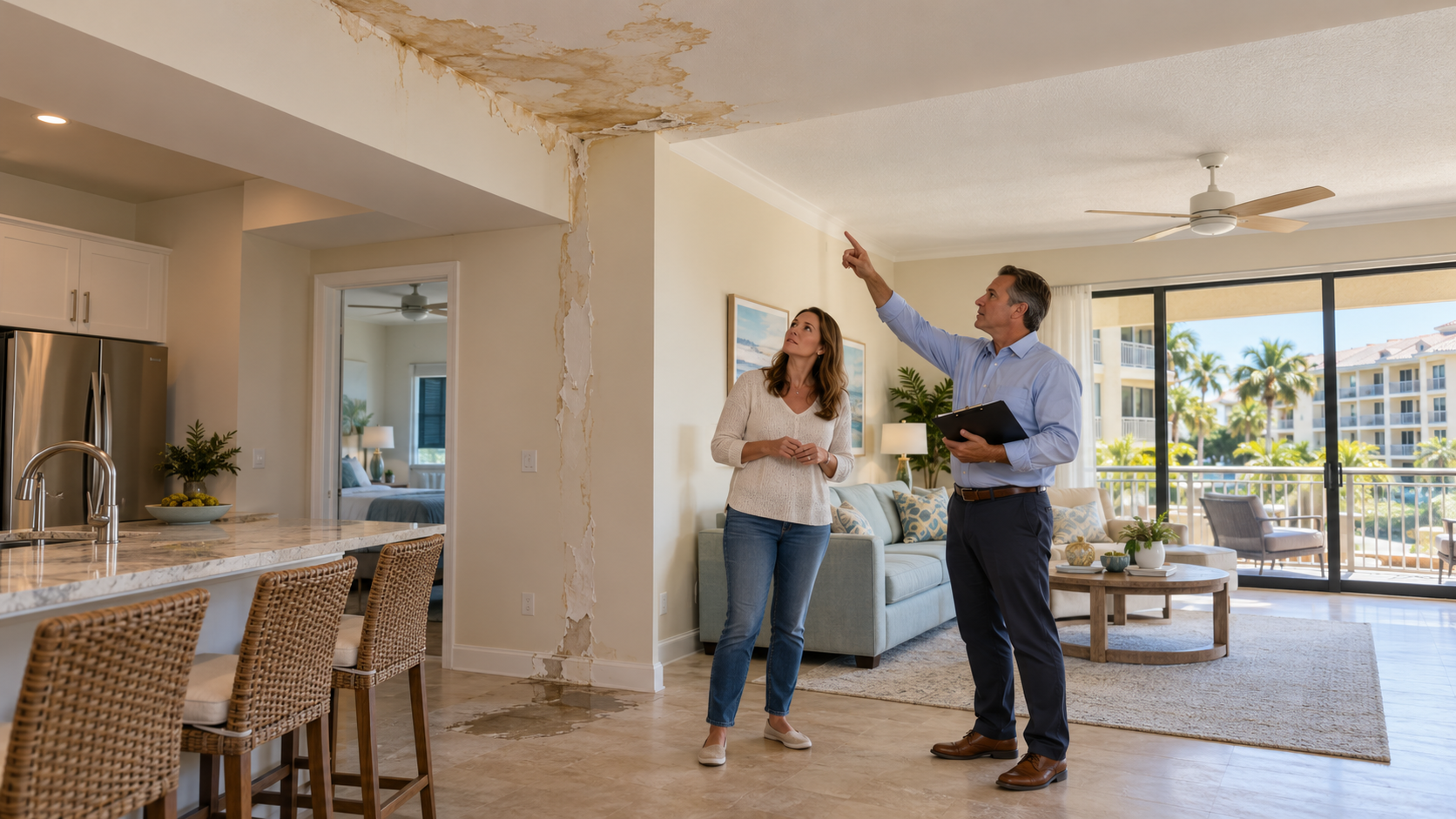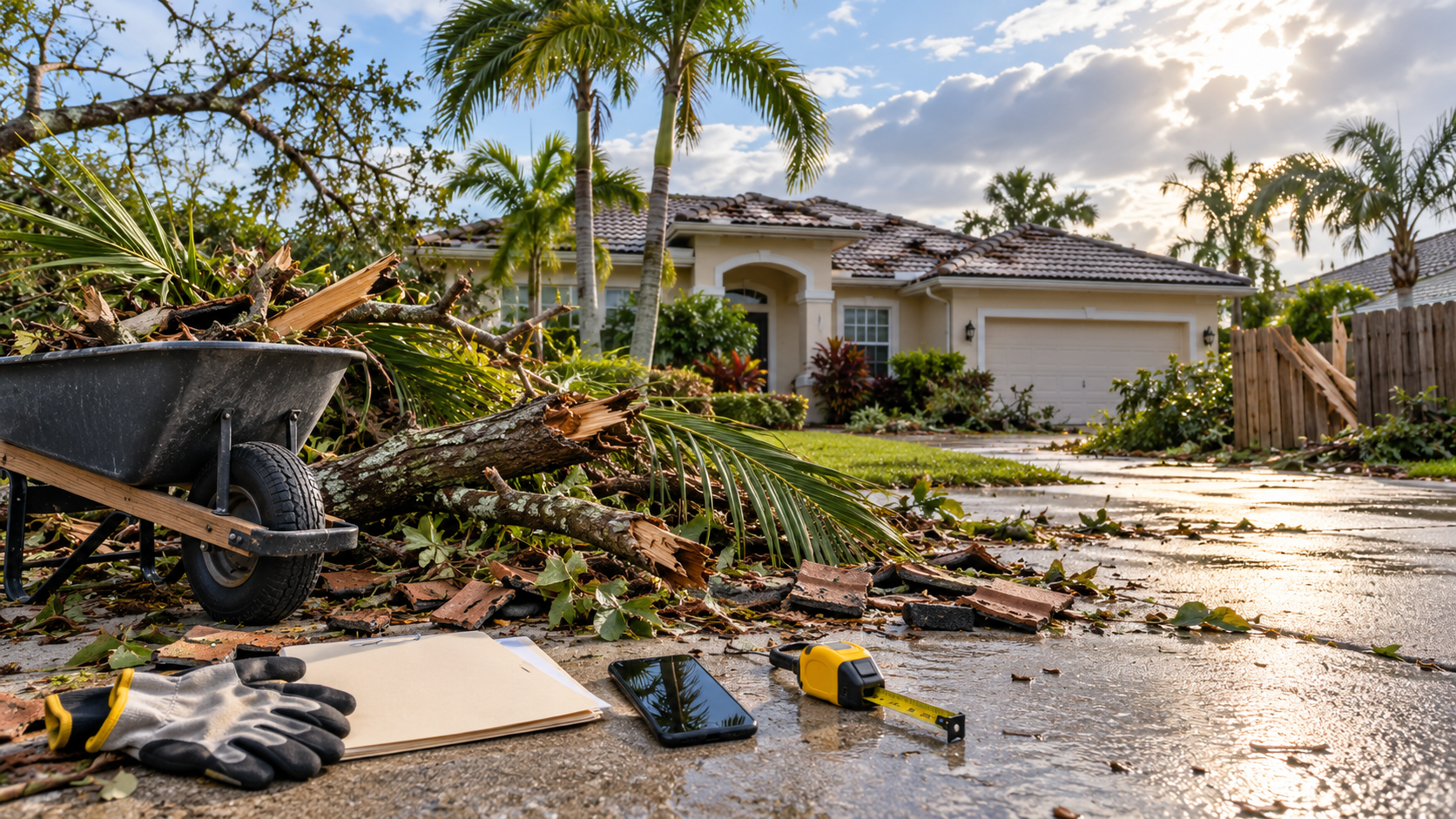
Owning a condominium in Florida comes with responsibilities beyond maintaining your individual unit. You also share ownership of common property, such as roofs, hallways, elevators, and other building components. When a hurricane, fire, or another unexpected event damages these shared areas, the condominium association may need to collect money from unit owners to cover certain expenses.
This is where condo loss assessment coverage becomes important.
Loss assessment coverage is a feature of condominium unit owners insurance that may help pay qualifying assessments charged by a condominium association following covered property damage. However, not every special assessment qualifies for insurance coverage.
At PICC FLA, we help Florida condominium owners navigate property insurance claims involving storm damage, water damage, fire damage, and other property losses. We understand that condominium claims can become complicated when an individual unit owner’s policy and the association’s master insurance policy are both involved.
Understanding how loss assessment coverage works can help you review an unexpected assessment, identify which insurance policies may apply, and prepare the documentation needed to support a claim.
What Is Condo Loss Assessment Coverage and How Does It Work?
Condo loss assessment coverage is designed to help protect condominium unit owners when their association charges them a share of certain property losses affecting collectively owned property.
A condominium association typically maintains insurance for property identified in its governing documents and under applicable Florida law. Individual owners generally maintain separate insurance for their units, personal property, and other specified interests.
When covered property damage occurs, the association’s insurance may pay part of the loss. However, certain costs may remain, depending on the master policy, its deductible, limits, and exclusions.
The association may then assess unit owners for their share of qualifying expenses.
For example, imagine a hurricane damages the condominium building’s roof. The association submits an insurance claim, but a portion of the property loss remains the association’s responsibility. It may issue a special assessment to help pay those expenses.
Depending on the cause of the loss, assessment documents, and your individual insurance policy, loss assessment coverage may apply to your share.
Florida law requires residential condominium unit owner policies issued or renewed on or after July 1, 2010, to include at least $2,000 in qualifying property loss assessment coverage. Higher limits may be available depending on the policy purchased.
The coverage is not automatic for every association expense. The underlying event and your policy’s provisions are essential to determining eligibility.
How Does Loss Assessment Coverage HO6 Insurance Differ From the Condo Master Policy?
Understanding the difference between individual condominium insurance and the association’s master policy is important.
An HO6 policy is commonly used by condominium unit owners. It may provide coverage for personal property, specified building components, personal liability, additional living expenses, and loss assessments, subject to its terms.
The association’s master insurance policy generally addresses property insured on behalf of the condominium association.
The distinction matters because different portions of a property loss may fall under different policies.
For example:
- Association master policy: May cover insured common property and building components under the association’s responsibilities.
- Individual HO6 policy: May cover specified unit improvements, personal belongings, and other insured interests.
- Loss assessment coverage: May help pay qualifying assessments arising from direct property losses to collectively owned property.
This relationship can become complicated when storms or water damage affect both common areas and individual units.
At PICC FLA, our condominium insurance claim services include reviewing available policy information, inspecting property damage, and preparing documentation relevant to condominium claims.
We believe it is important to identify which property was damaged, who is responsible for insuring it, and how the applicable policies respond before assuming an assessment is covered.
What Types of Special Assessments May Be Covered by Condo Insurance?
Not every special assessment is an insured loss.
A condominium association can issue assessments for many reasons, including property damage, repairs, improvements, maintenance, reserve funding, and unexpected operating expenses.
However, condo special assessment insurance generally focuses on qualifying assessments arising from covered property losses rather than ordinary association expenses.
Consider the following situations:
- Hurricane damage: A storm damages an insured common roof, and the association assesses owners for qualifying property loss expenses.
- Fire damage: A covered fire damages shared building components, resulting in an assessment connected to the direct property loss.
- Wind damage: A covered windstorm damages common property, and qualifying unpaid loss expenses are allocated among unit owners.
- Routine maintenance: The association assesses owners to repaint the building or perform scheduled upkeep.
- Reserve funding: The association collects additional funds to meet reserve requirements or finance anticipated future repairs.
The first three situations may involve qualifying property losses, depending on the coverage and assessment circumstances. The final two generally do not qualify merely because they create an unexpected expense.
Florida’s loss assessment requirements apply when the direct loss is of a type covered under the unit owner’s residential property policy.
This is why the reason for the assessment matters more than simply whether the association calls it a special assessment.
How Much Loss Assessment Coverage Do Florida Condo Owners Have?
Florida Statutes section 627.714 requires qualifying residential condominium unit owner insurance policies to include at least $2,000 in property loss assessment coverage.
The statute also establishes important requirements concerning deductibles and coverage limits.
For qualifying property loss assessments:
- The deductible cannot exceed $250 per direct property loss.
- If a deductible has been or will be applied to another property loss sustained by the unit owner from the same direct loss, an additional loss assessment deductible does not apply.
- Multiple assessments arising from the same direct property loss remain subject to the applicable coverage limit.
- The coverage limit in effect one day before the event determines the maximum applicable limit for that loss.
For example, assume your policy has a $5,000 loss assessment limit and your association charges you $7,000 after a qualifying covered property loss.
Your policy would not automatically pay the entire assessment. The insurer would evaluate the covered amount against the applicable $5,000 limit, deductible provisions, and policy requirements.
Purchasing additional coverage after the event generally does not increase the limit available for that earlier loss.
We recommend reviewing your declarations page and loss assessment provisions before an assessment occurs whenever possible.
How Do You File a Condo Loss Assessment Insurance Claim in Florida?
The claims process begins with understanding why the condominium association issued the assessment.
Unlike an ordinary claim involving damage inside your unit, a loss assessment claim may require records from the association showing the underlying property damage and how the assessment was calculated.
We recommend organizing the following information:
- Assessment notice: Obtain the written notice showing how much you owe and why the assessment was issued.
- Association documentation: Request relevant meeting records, assessment resolutions, and explanations of the underlying property loss.
- Insurance information: Review your HO6 policy and obtain relevant master policy information when available.
- Damage records: Gather photographs, inspection findings, repair estimates, and other information documenting the common-property loss.
- Claim information: Preserve relevant claim correspondence, payment information, and explanations from the association or insurer.
- Supporting calculations: Identify how the association determined each unit owner’s share of the expense.
Notify your insurer according to the policy’s requirements and applicable deadlines. Do not assume that receiving an assessment notice means coverage has already been established.
Our property insurance claim process explains why reviewing policy terms, documenting property damage, and maintaining organized records are important.
If a property damage estimate is involved, our guide on how to read an insurance claim estimate can also help you understand repair quantities, materials, deductibles, and other claim calculations.
Good documentation gives the insurer information needed to evaluate the assessment and helps identify potential disagreements about the underlying loss.
What Should You Do If Your Loss Assessment Claim Is Denied or Underpaid?
A denial does not automatically mean the assessment was improperly excluded. Likewise, an initial payment does not necessarily establish that every applicable expense was considered.
Begin by reviewing the insurer’s written explanation.
Common questions to investigate include whether the underlying property loss was covered, whether the assessment falls within the policy’s definition of a covered loss assessment, and whether the applicable limit or deductible was correctly applied.
You should also review whether the assessment includes expenses unrelated to the covered property loss.
For example, an association may combine several projects or expenses in a single assessment. If only certain expenses relate to qualifying property damage, those components may need to be identified separately.
Our guide on how to read a home insurance claim denial letter explains how policyholders can evaluate the reasons given for a denial.
If only part of the claimed loss is accepted, our explanation of partial denial insurance claims may help clarify the distinction.
Where additional covered property damage or repair requirements are discovered, a supplemental property claim may also become relevant, depending on the original claim and applicable policy. Our supplemental insurance claim guide explains that process.
At PICC FLA, we focus on reviewing the available claim documentation and identifying differences that may require further evaluation.
How Can PICC FLA Help With Condominium Property Insurance Claims?
Condominium property claims can involve multiple policies, building components, responsible parties, and repair estimates.
At PICC FLA, we represent policyholders during the property insurance claims process. Our published condominium services include reviewing applicable insurance information, inspecting property damage, documenting losses, preparing estimates, and communicating and negotiating with insurers on behalf of policyholders.
Depending on the circumstances, we can help review the underlying property damage and supporting claim information relevant to a qualifying condominium loss.
For example, disagreements about the extent of storm damage or the repair scope may affect the supporting documentation used in the claims process.
Our work focuses on property loss documentation and insurance claim adjustment. Whether a particular loss assessment is payable depends on the policy, the nature of the assessment, and applicable law.
We do not assume that every condominium special assessment is insured or that every denied claim should be paid.
For further information about our role in documenting and handling claims, read our guide on how to file an insurance claim with a public adjuster.
What Should Condo Owners Remember About Loss Assessment Coverage?
Condo loss assessment coverage can provide important financial protection when a condominium association charges unit owners for their share of a qualifying covered property loss.
However, the fact that an association issues a special assessment does not automatically mean your HO6 policy will pay it.
Coverage depends on why the assessment was issued, the underlying cause of property damage, the policy provisions, applicable limits, and Florida insurance requirements.
Understanding the relationship between the association’s master policy and your individual insurance can help you recognize which documents matter and how to prepare for a claim.
At PICC FLA, we help Florida condominium owners navigate property insurance claims by reviewing damage, preparing supporting documentation, and representing policyholders through the adjustment process.
If you have experienced condominium property damage or need assistance reviewing a related insurance claim, contact PICC FLA to discuss your situation.
Which Organizations Support This Condo Loss Assessment Guidance?
Florida Legislature. “Residential Condominium Unit Owner Coverage; Loss Assessment Coverage Required.” The Florida Statutes, sec. 627.714, 2026. https://www.flsenate.gov/Laws/Statutes/2026/627.714.
Florida Legislature. “Insurance Requirements for Condominiums.” The Florida Statutes, sec. 718.111, 2026. https://www.flsenate.gov/Laws/Statutes/2026/718.111.
Florida Department of Financial Services. “Homeowners Insurance Overview.” Division of Consumer Services, State of Florida. https://myfloridacfo.com/division/consumers/understanding-insurance/homeownersinsuranceoverview.