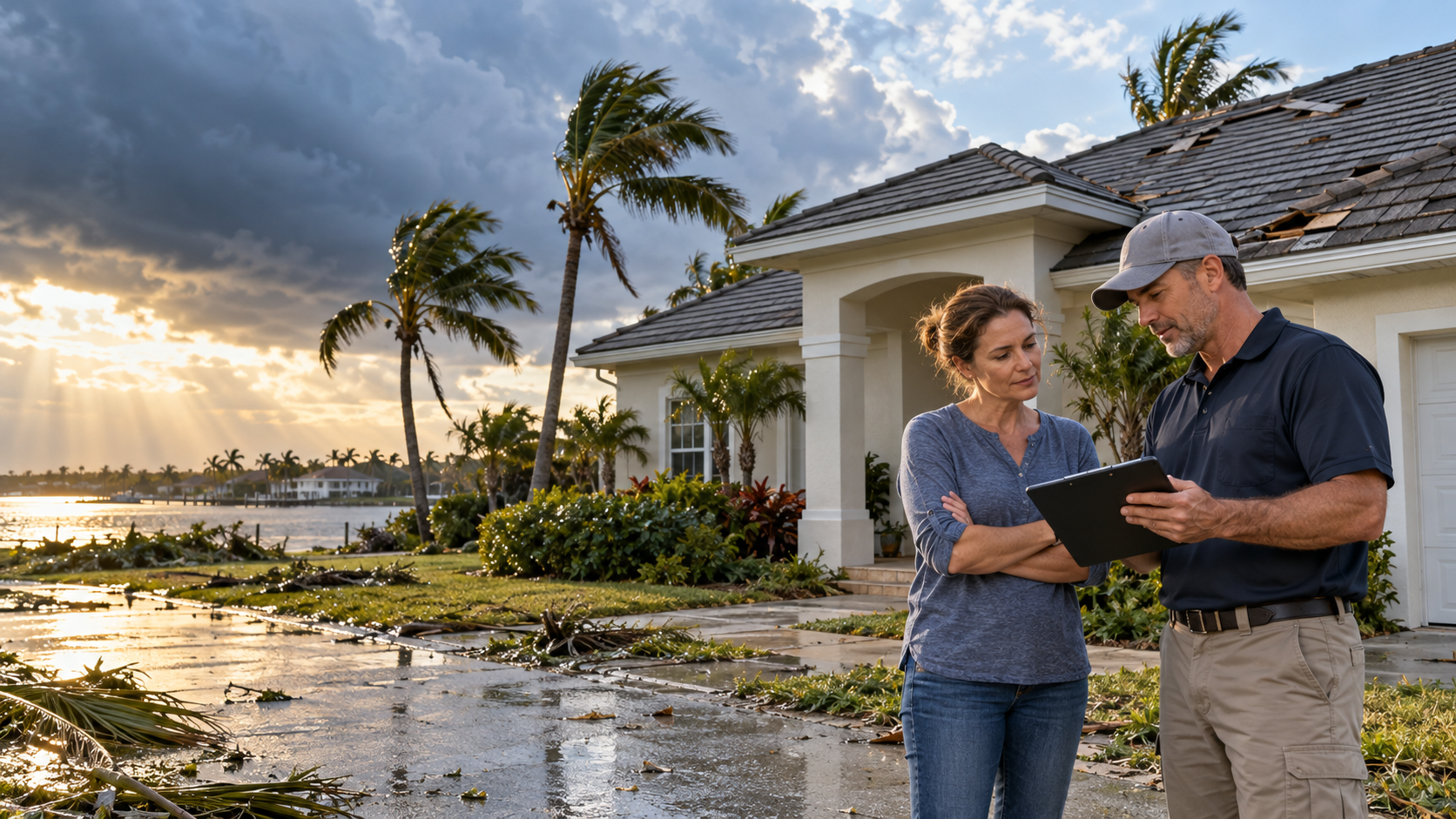
Florida Property Insurance Claim Guides and Public Adjuster Resources - Page 2
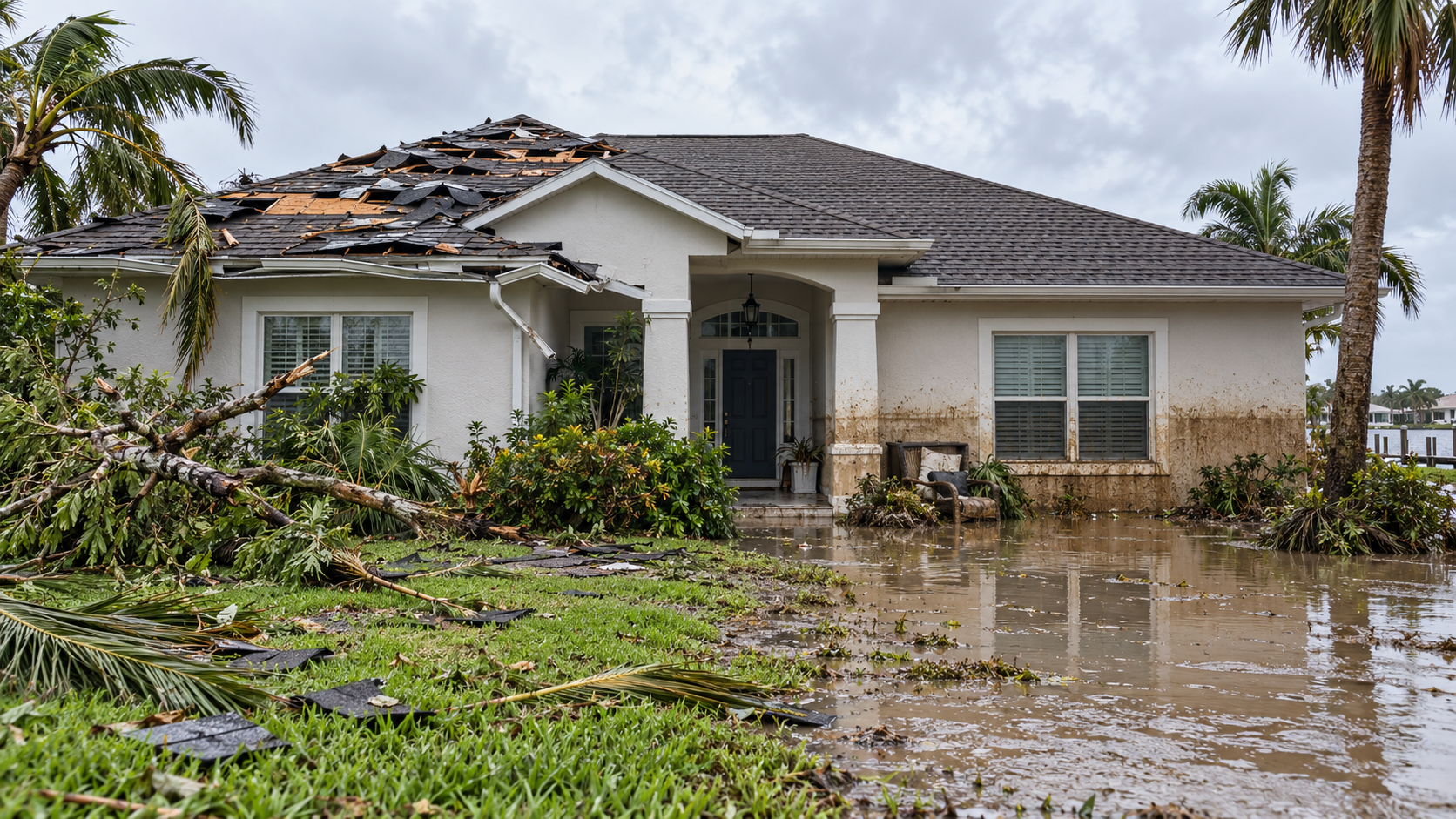
How Can You Tell Wind Damage From Flood Damage After a Hurricane?
After a hurricane, water inside your home does not automatically mean you have flood damage. A storm can damage a roof, break a window, tear away exterior materials, or create another opening that allows rain to enter. At the same time, storm surge, overflowing waterways, and rapidly accumulating surface water can cause a separate type of loss classified as flooding. Understanding the difference matters because wind and flood losses can be treated differently under insurance policies. At PICC FLA, we help Florida property owners document and assess hurricane, wind, flood, roof, and water damage claims. When a hurricane causes several types of damage at once, we focus on identifying how the damage occurred and documenting the full scope of the loss before the claim is presented. What Is the Main Difference Between Wind Damage and Flood Damage? The simplest distinction is the source and path of the damage. Wind damage generally begins when strong winds directly damage the building or...
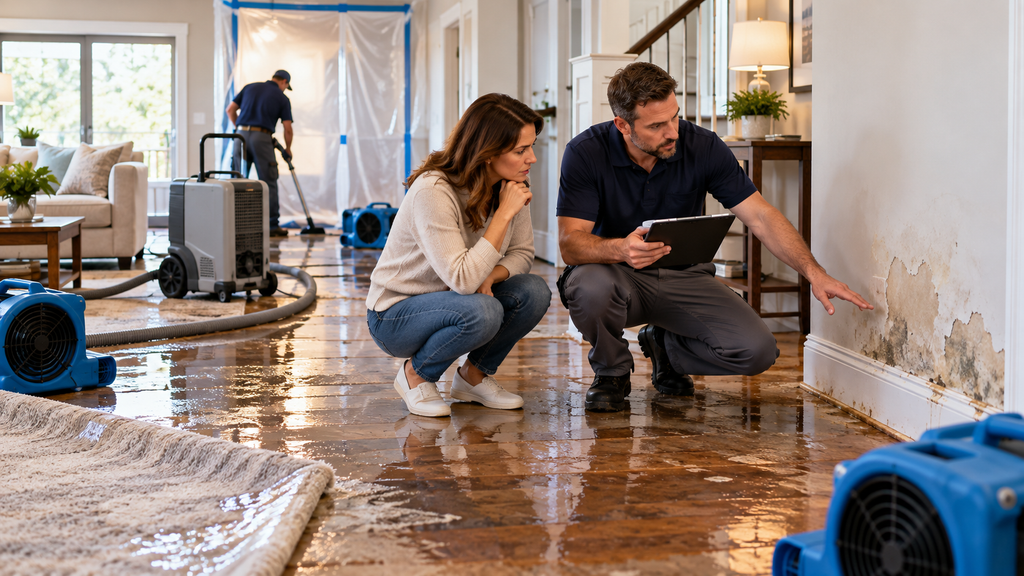
What Water Mitigation Costs Can Be Included in an Insurance Claim?
When water enters your home or commercial property, stopping the damage is usually one of the first priorities. Removing standing water, drying affected areas, and preventing moisture from spreading can help protect the property while the insurance claim is being evaluated. But which of those expenses can actually be included in a water mitigation insurance claim? At PICC, we help Florida property owners document, assess, present, and negotiate property insurance claims. Water mitigation expenses may be part of a covered water damage claim when the work is reasonable, necessary, related to the covered loss, and supported by proper documentation. However, coverage is never automatic. Your policy language, the cause of the water damage, applicable limits, your deductible, and the circumstances of the loss all matter. If you are dealing with water damage, our Florida public adjusters can help you understand the claim process and determine what documentation may be needed. What Does Water Mitigation Mean in an Insurance Claim? Water...
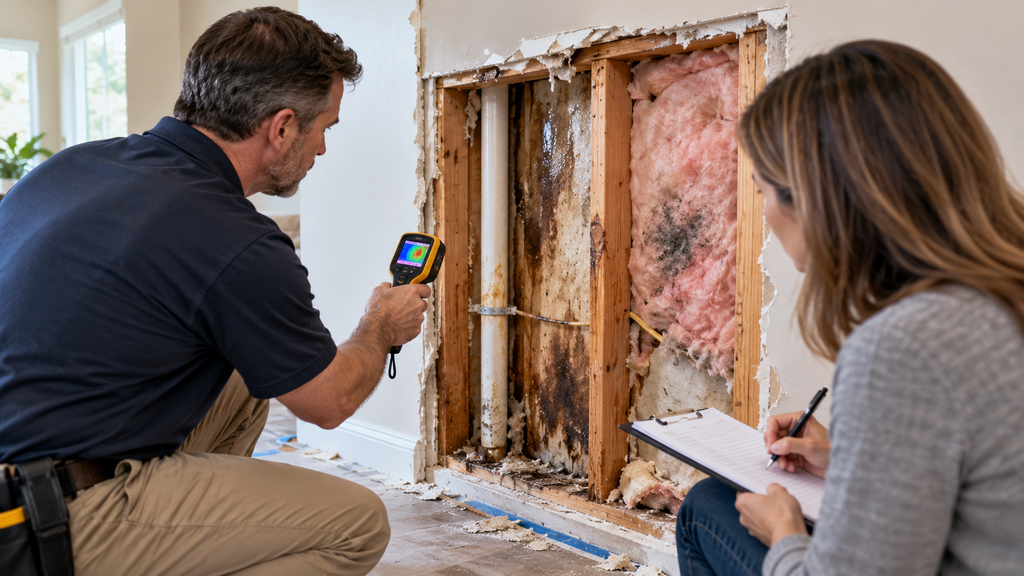
How Do You Prove Hidden Water Damage in an Insurance Claim?
Hidden water damage can be difficult to deal with because the most serious problems are not always visible when you first discover the loss. A ceiling stain may seem minor, but moisture could have reached insulation, drywall, flooring, cabinets, or other concealed areas. A leaking pipe may stop dripping, while water remains trapped behind a wall. So, how do you prove hidden water damage in an insurance claim? At PICC FLA, we focus on documenting the full extent of property damage, including damage that may have been missed during an initial inspection. Proving hidden water damage generally requires connecting the concealed damage to the reported loss and supporting that connection with detailed inspections, photographs, videos, estimates, repair findings, and other available documentation. A strong hidden water damage insurance claim is not based on assumptions. It is built around evidence showing what happened, where the water traveled, what property was affected, and what repairs are reasonably associated with the documented loss....
Does Homeowners Insurance Cover Toilet Overflow Damage?
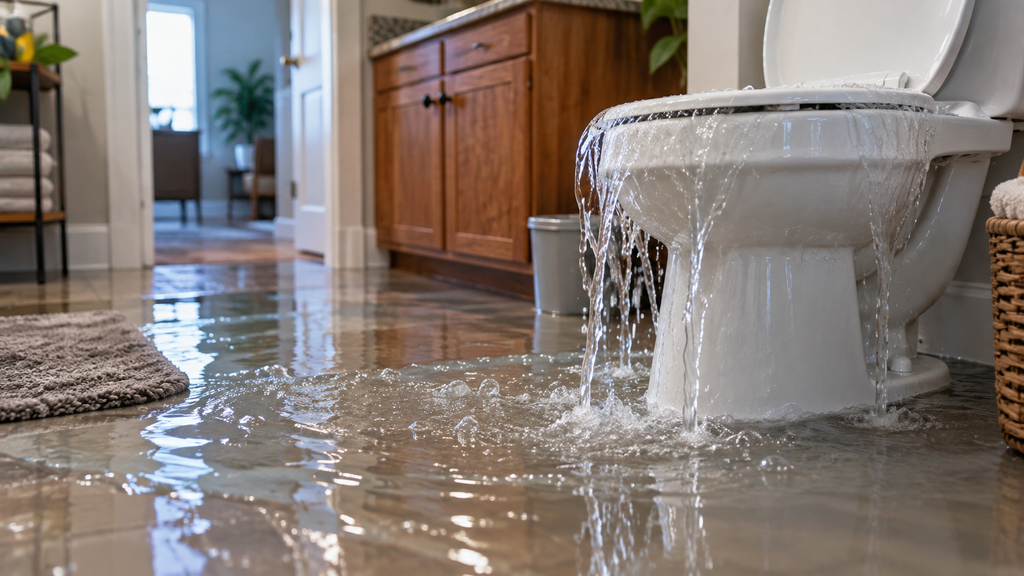
A toilet overflow can turn a normal day into a property damage problem within minutes. Water can spread across bathroom flooring, reach baseboards and drywall, move underneath flooring, and potentially affect nearby rooms. When this happens, one of the first questions we hear is: Does homeowners insurance cover toilet overflow damage? The answer depends on why the toilet overflowed and what your specific homeowners insurance policy covers. A sudden and accidental discharge or overflow of water from a plumbing system may fall within homeowners insurance coverage, depending on the policy. However, a toilet that overflows because water or sewage backed up through a sewer or drain can be treated differently and may require water-backup coverage or another endorsement. At PICC FLA, we help Florida property owners understand, document, prepare, and manage water damage insurance claims. Instead of assuming a toilet overflow is automatically covered or excluded, we look at what caused the water loss, what was damaged, what the policy...
Does Homeowners Insurance Cover Washing Machine Water Damage?
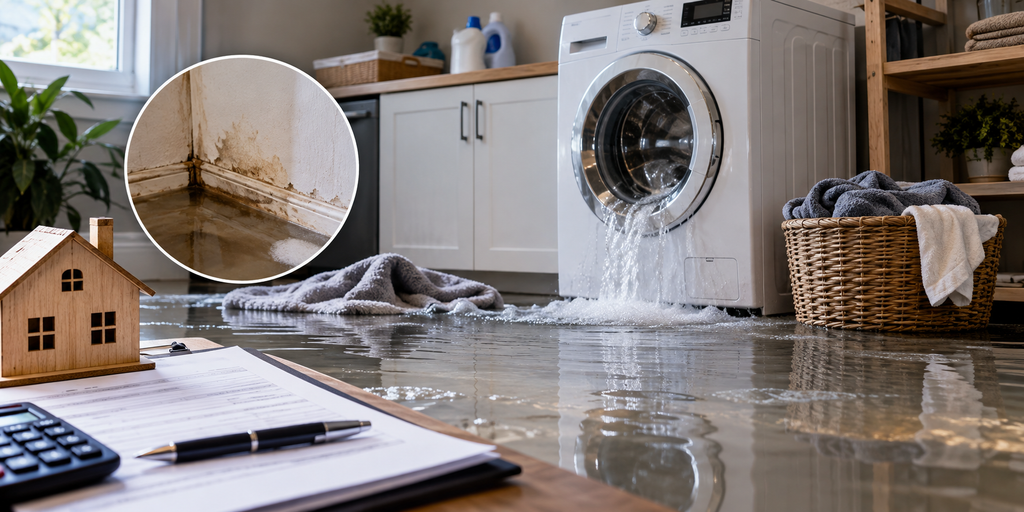
A washing machine can release a surprising amount of water in a short period of time. A hose can suddenly burst, a connection can fail, or the machine can overflow and send water across the laundry room and into nearby flooring, walls, cabinets, or other rooms. So, does homeowners insurance cover washing machine water damage? It may, depending on how the damage happened and what your policy covers. At PICC FLA, we help Florida property owners with water damage insurance claims, including losses involving appliance failures. Our website specifically identifies washing machines and other appliance failures as potential causes of residential water damage. The important distinction is usually between a sudden water-loss event and damage that developed gradually. A washer hose that suddenly bursts is different from a small leak that has been occurring for an extended period. Coverage is never automatic. Your specific policy, cause of loss, timing, maintenance history, exclusions, deductible, and documentation all matter. When May Homeowners...
Does Homeowners Insurance Cover Dishwasher Leaks?
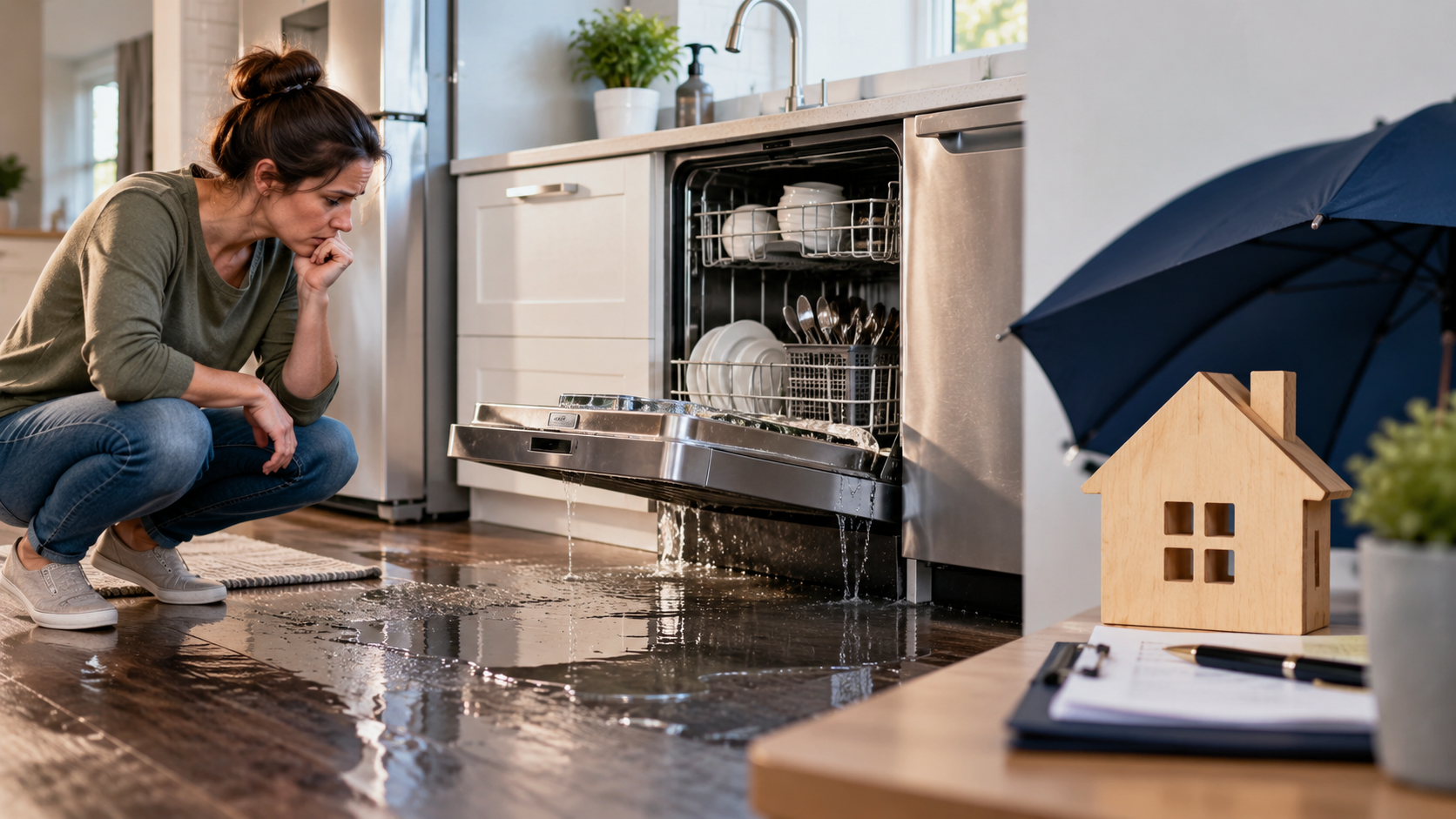
A dishwasher leak can turn an ordinary day into a stressful property damage situation. Water may spread beneath cabinets, soak flooring, reach drywall, or move into areas you cannot immediately see. One of the first questions we hear from homeowners is, “Does homeowners insurance cover dishwasher leaks?” In many situations, homeowners insurance may cover the resulting water damage from a dishwasher leak when the water is released suddenly and accidentally. However, coverage is never automatic. Your individual policy, the cause of the leak, how long the problem existed, exclusions, coverage limits, and deductibles can all affect a claim. At PICC, we help Florida property owners understand their policies, document property damage, prepare claims, and address claims that may have been denied or underpaid. If your dishwasher suddenly leaked and damaged your kitchen, the key is to determine what happened, document the loss, prevent further damage, and review the policy before making assumptions about coverage. When Does Homeowners Insurance Cover Dishwasher...
Is Water Damage From an AC Leak Covered by Insurance?
Water leaking from an air-conditioning system can start as a small problem and quickly spread into ceilings, drywall, flooring, cabinets, insulation, or other parts of a home. When that happens, homeowners often want to know whether their insurance policy will help pay for the resulting damage. So, is water damage from an AC leak covered by insurance? It may be. Florida consumer insurance guidance recognizes leaking air-conditioning units as a potential source of water damage that may fall within homeowners insurance coverage. However, an AC leak insurance claim is not automatically covered simply because the water came from an HVAC system. At PICC FLA, we help Florida property owners with water damage insurance claims, including losses involving AC leaks. We look at how the water damage happened, when it was discovered, what parts of the property were affected, what the policy says, and whether the loss has been properly documented. The specific policy always matters. Coverage can depend on the...
Does Homeowners Insurance Cover Sewer Backup Damage?
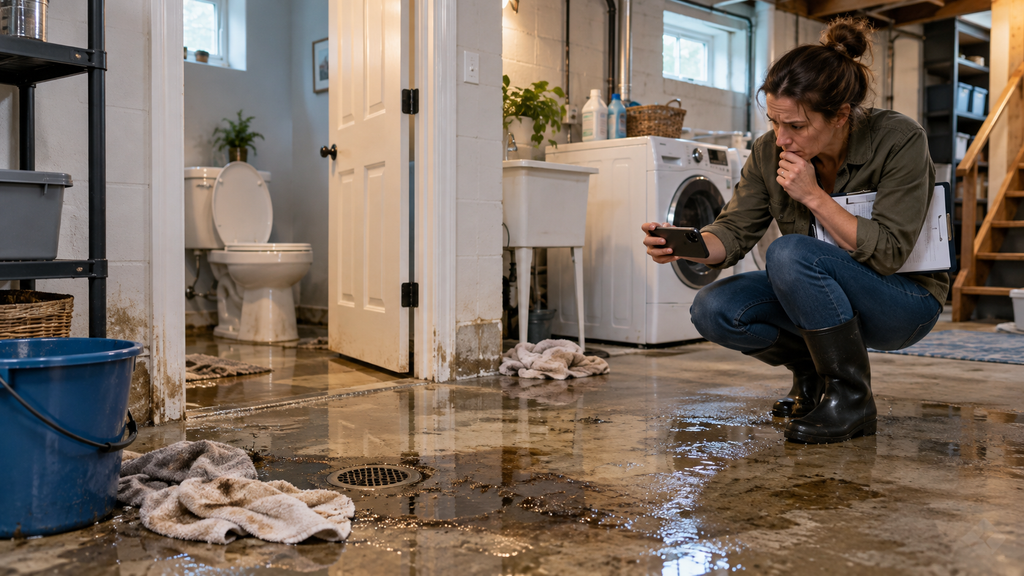
A sewer backup can cause serious water damage inside a home within a short amount of time. Flooring, drywall, cabinets, furniture, personal belongings, and other materials may all be affected. Once the immediate cleanup begins, one of the first questions homeowners usually ask is: does homeowners insurance cover sewer backup damage? The answer depends on your policy. Standard homeowners insurance does not typically include sewer backup insurance coverage automatically. In many policies, damage caused when water backs up through a sewer or drain may be excluded unless additional coverage has been added through a water backup endorsement. At PICC FLA, we help Florida property owners review, document, prepare, and manage water damage insurance claims. When a sewer or drain backup damages your property, we focus on the specific policy language, cause of loss, affected areas, available endorsements, documentation, and other facts that determine how the claim should be presented. Does Homeowners Insurance Cover Sewer Backup in Florida? If you are...

How Should You Respond to a Low Insurance Settlement Offer?
Receiving an insurance payment can feel like progress after property damage, but that feeling changes quickly when the amount does not match the repairs your property appears to need. If the insurance settlement is too low, do not focus only on the final dollar amount. Start by understanding how the insurer calculated it, what damage was included, what may have been omitted, and what documentation supports the loss. At piccfla.com, we help Florida property owners review underpaid property insurance claims from the policyholder’s side. Our work can include inspecting damage, reviewing claim information and estimates, preparing supporting documentation, communicating about the claim, and negotiating based on the documented loss. A low insurance claim payout does not automatically mean the claim is finished. Depending on the policy, payment documents, claim status, and facts of the loss, further review may still be appropriate. What Should You Do First When an Insurance Settlement Seems Too Low? Read everything that came with the payment...